
The American College of Prosthodontists estimates that roughly 178 million Americans are missing at least one tooth. Dental implants are a widely chosen method to replace one or more lost or badly damaged teeth.
Mini dental implants are a more recent variation that utilize a single-piece screw slightly under 3 millimeters (mm) in diameter — just over 1/10 of an inch. Conventional dental implant screws are two-piece systems with diameters ranging from about 3.25 to 5 mm (approximately 0.12 to 0.2 inches).
These mini implants are often recommended for individuals who cannot receive conventional dental implants, though they’re not suitable for every case of tooth loss.
Below we cover the advantages, who may not qualify, and the different choices available for mini dental implants. Also learn whether they could be appropriate for you.
What are the advantages of mini dental implants?
Mini dental implants can replace a single tooth, multiple teeth, or be used to secure dentures.
They offer several potential advantages, including:
- Less invasive procedure. Mini dental implants can typically be placed using local anesthesia. The operation is usually less invasive than standard implants and may cause less discomfort.
- Quicker recovery. Because of the smaller size and minimally invasive placement, many patients heal more rapidly.
- Lower expense. Prices vary, but mini implants are frequently less costly than traditional dental implants.
- Requires less jawbone density. Traditional implants need a substantial amount of jawbone to support their larger size. Mini implants are smaller and demand less bone mass, making them suitable for people who’ve lost bone from decay, trauma, or conditions like osteoporosis.
- May avoid bone grafting. Patients who lack adequate jawbone for conventional implants often need bone grafts, which can take up to a year to heal. Mini implants can eliminate the need for grafting in many cases.
- Faster results. Standard implants usually require multiple visits because replacement teeth can’t be attached until gums and bone have healed. Mini implants often allow replacement teeth to be attached the same day.
- Fits in tighter spaces. Mini dental implants are often preferable for replacing small teeth or when space is limited, as well as for people with smaller jaws.
- Less painful to install and repair. Their compact size makes placement and any subsequent repairs generally less painful than with traditional implants.
- Helps prevent facial collapse. A mini implant is anchored into the jawbone, helping preserve the original position and volume of teeth and jaw structure.
Mini dental implants can produce natural-looking results
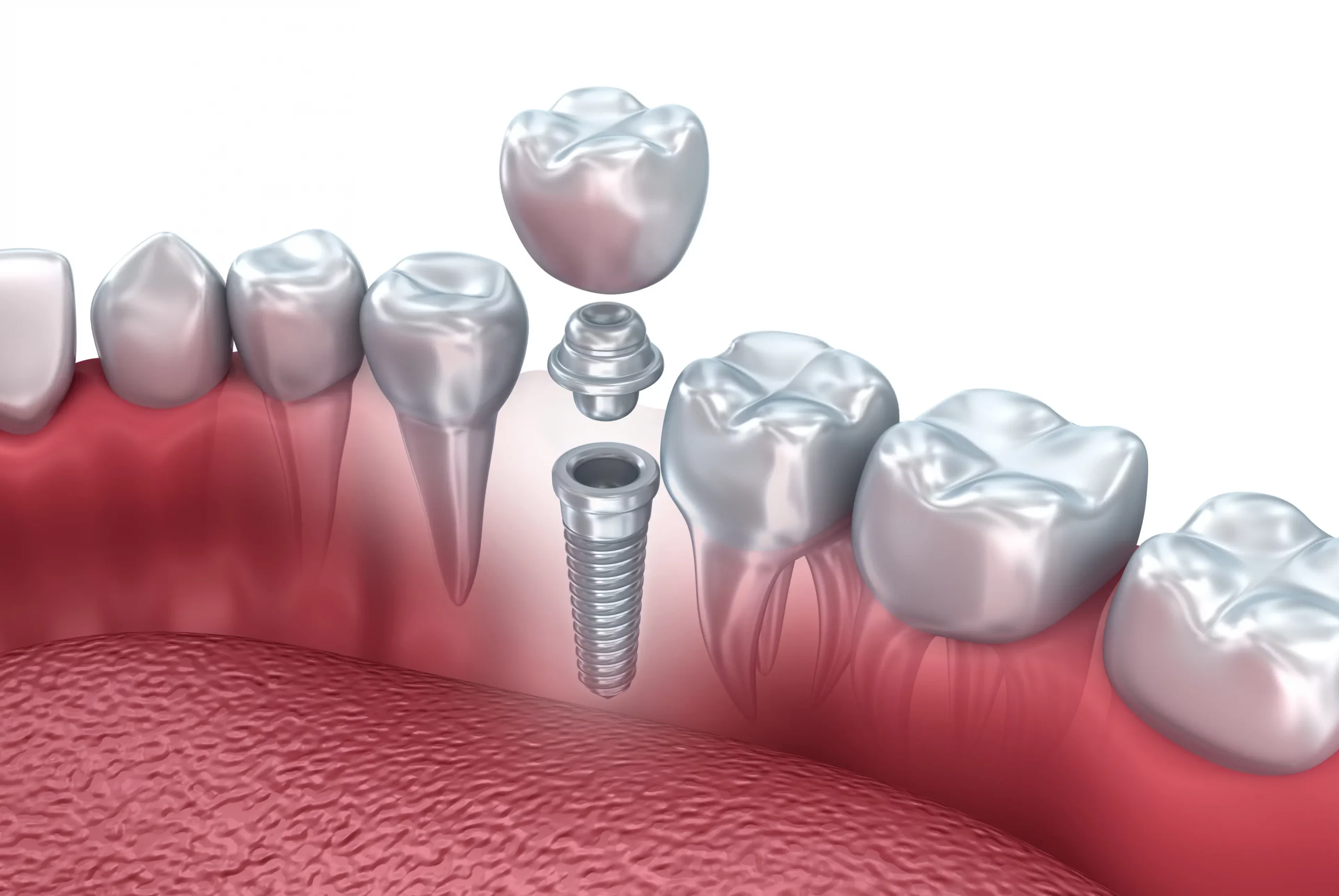
Mini implants can yield results that appear natural and help improve your overall oral health. The image below illustrates how an implant is connected to the jawbone.
Who is a suitable candidate for mini dental implants?
Mini dental implants aren’t appropriate for everyone, particularly children or anyone whose oral structures are still developing. As bone grows, an implant can become engulfed by it — similar to how a nail can become embedded in a growing tree.
They’re also generally not recommended for people who habitually grind their teeth.
Certain medical conditions typically exclude patients from receiving mini dental implants, such as:
- diabetes
- vascular disease
- hemophilia and other bleeding disorders
- bony disorders
- periodontitis
- conditions that impair wound or bone healing
Some lifestyle factors and medications may also affect eligibility, including if you:
- smoke
- have poor oral hygiene
- are taking anticoagulant drugs
- take medications that slow bone healing
- are undergoing chemotherapy or radiation
While mini implants demand less jawbone volume than conventional implants, some bone density is still necessary. Severe gum disease and extensive bone loss may preclude their use.
People with significantly receded or damaged gums may also be unable to support mini implants.
Are there drawbacks to mini dental implants?
Mini dental implants can function as either temporary or permanent replacements for extracted teeth.
Orthodontists sometimes use these implants as temporary anchorage devices, and they’ve occasionally replaced cumbersome orthodontic headgear.
Certain mini dental implants are immediate-loading, meaning the implant is placed right away after a tooth is extracted and the replacement can be attached during the same visit.
While immediate placement is convenient, it often indicates that these implants aren’t intended for very long-term use. Commonly, such implants are designed to remain in place for only a few months to a few years before removal or replacement might be necessary.
If you’re considering other facial cosmetic or dental procedures, you may also want to read about mini face lift options that some patients combine with dental and facial rejuvenation strategies.
How is a mini dental implant placed?
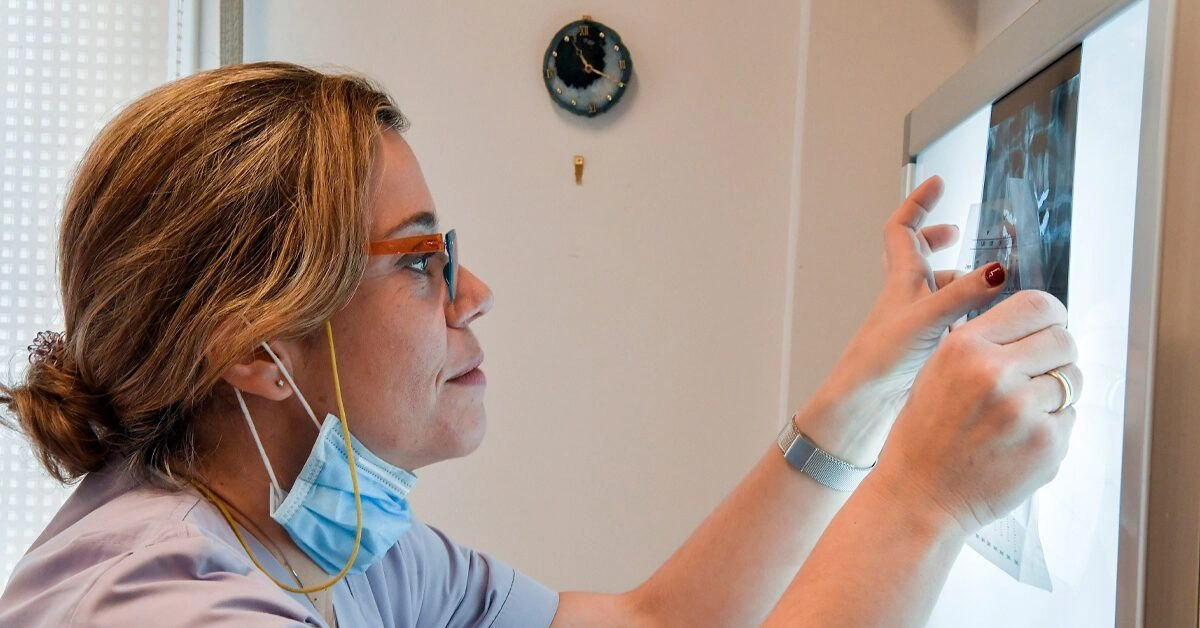
The process begins with dental X-rays to pinpoint the exact locations for implant placement.
A typical technique for placing mini implants includes:
- numbing the gums and jaw with local anesthesia
- drilling a small pilot hole in the jawbone
- inserting the small metal implant post into the hole
- securing and tightening the post
- attaching the replacement tooth to the post
- confirming the replacement tooth is correctly positioned and stable
In most situations, sutures are not necessary for mini implant placement.
The exact sequence can vary depending on your needs. If several mini implants are required, the posts may be positioned first and the replacement teeth attached afterward.
What is recovery like after a mini dental implant?
Recovery is usually quick and straightforward. Many people can resume normal activities within 1 to 2 days after the procedure. Often, no follow-up visit is needed.
You may feel some discomfort and soreness afterward. Applying ice and using over-the-counter pain relievers like ibuprofen (Advil) can help. In some instances, your dentist may prescribe stronger pain medication.
Avoid hard or sticky foods during your initial recovery to reduce the chance the implant loosens or is dislodged.
Stick to soft foods and liquids such as soups, smoothies, applesauce, and mashed potatoes while you heal. Your dentist will advise when it’s safe to return to a regular diet.
Contact your dentist or a healthcare provider if you notice any unexpected symptoms after the procedure, including:
- severe pain
- pain persisting beyond a few days
- a loose or fallen implant tooth
- jaw numbness
Outlook
Care for mini dental implants the same way you care for natural teeth. Without good oral hygiene, they can deteriorate or fail.
Regular brushing, flossing, and dental check-ups help ensure your mini implant remains functional. With proper maintenance, mini dental implants can serve as a long-term solution for tooth loss.
Mini dental implants have been in clinical use for about two decades. While long-term durability is still being studied, like other implants they are expected to last many years before requiring repairs or replacement.



















Leave a Reply
You must be logged in to post a comment.