
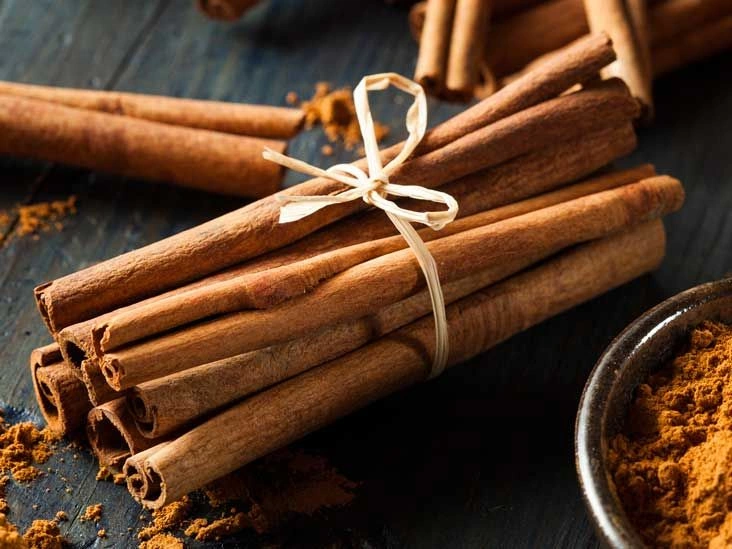
There are two primary varieties of cinnamon: Ceylon and cassia. Both offer healthful properties, but one carries a compound that can be harmful when consumed in excess.
Cinnamon is a widely loved spice. Beyond its pleasing taste, it provides several health benefits. Although inexpensive and easy to find in most grocery stores, the typical product offered is usually only one type.
This piece outlines the distinctions between Ceylon cinnamon and cassia cinnamon.

What Is Cinnamon?
Cinnamon is a spice derived from the inner bark of trees in the Cinnamomum genus.
The inner bark is peeled into strips and dried until it curls into rolls referred to as cinnamon sticks or quills. These can then be ground into a powder or processed into an extract.
The spice’s characteristic qualities originate from its essential oils and active compounds, most notably cinnamaldehyde (1).
This compound is responsible for cinnamon’s scent and taste, and it underlies many of its health-promoting effects.
Bottom Line: Cinnamon comes from the inner bark of the Cinnamomum tree. Its distinctive traits stem from essential oils like cinnamaldehyde.
Cassia Cinnamon
Cassia cinnamon is produced from the Cinnamomum cassia tree, also known as Cinnamomum aromaticum.
It originated in southern China and is often called Chinese cinnamon.
Nowadays, several related species are cultivated widely across eastern and southern Asia (2).
Cassia typically appears dark brown-red and features thicker quills with a coarser texture compared to Ceylon.
Cassia is generally considered a lower-grade cinnamon. It is inexpensive and is the most commonly consumed form worldwide. Almost all cinnamon stocked in supermarkets is the cassia type.
It has a long history in cooking and traditional Chinese medicine. Roughly 95% of its oil is cinnamaldehyde, giving cassia a bold, spicy profile (3).
Bottom Line: Cassia cinnamon is the most prevalent form. It offers a stronger flavor than Ceylon and its oil is about 95% cinnamaldehyde.
Ceylon Cinnamon
Ceylon, often called “true cinnamon,” is native to Sri Lanka and southern India.
It’s obtained from the inner bark of the Cinnamomum verum tree.
Ceylon is lighter tan-brown and produces many thin, tightly rolled sticks with soft layers, a desirable texture and quality.
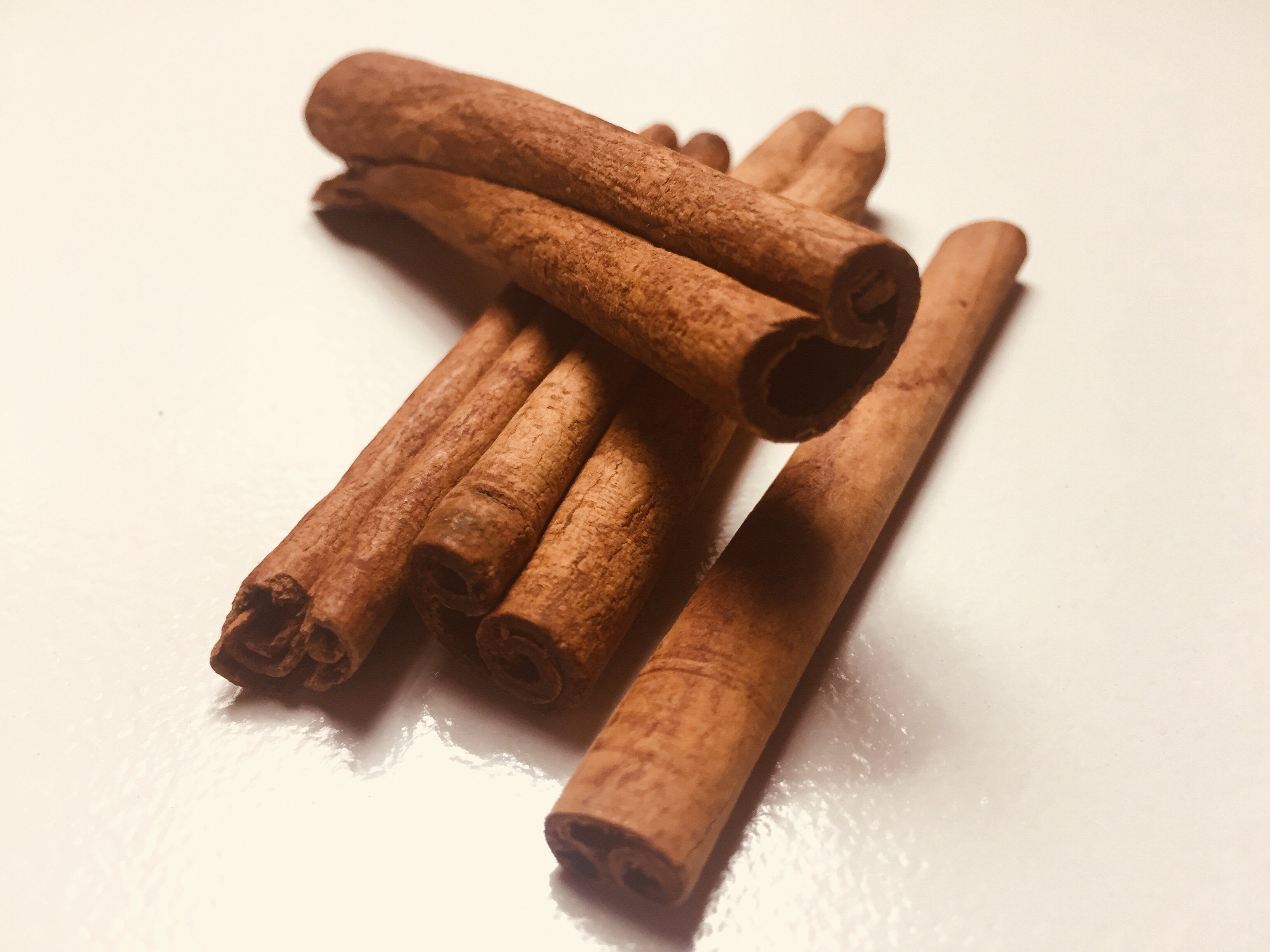
Ceylon is less common and has been highly regarded as a culinary spice. It tends to be considerably more expensive than the common cassia variety.
Its flavor is described as delicate and mildly sweet, well suited for desserts.
About 50–63% of its essential oil is cinnamaldehyde, which is much lower than cassia. This helps explain its subtler aroma and taste (3).
Bottom Line: Ceylon cinnamon is a premium, much-valued spice. With 50–63% cinnamaldehyde in its oil, it has a milder flavor.
Ceylon and Cassia Are Both Useful for Diabetics
Cinnamon has been valued for generations for its beneficial properties.
It has been particularly promoted for helping with blood sugar control, which matters to people with diabetes.
A review of 16 prior studies investigating diabetes found encouraging outcomes for Ceylon powder when used as a supplement (4).
Animal and laboratory research indicate cinnamon may reduce blood sugar spikes, enhance insulin sensitivity, and improve metabolic markers tied to insulin resistance (4).
Regrettably, human trials specifically testing the effectiveness or ideal dosage of Ceylon supplements are lacking.
Conversely, cassia has been the subject of several human studies involving participants with and without type 2 diabetes. Many of these reported notable drops in fasting blood glucose levels over several months of use (5, 6, 7).
Typical cassia doses ranged from 1–6 grams per day and were associated with few or no adverse effects.
Bottom Line: Both Ceylon and cassia seem to exert anti-diabetic and blood-sugar-lowering effects. However, cassia has been better studied in humans.
Which Has More Health Advantages?
Ceylon and cassia probably offer slightly different health effects.
This is due to differences in the proportions of their essential oils.
Nevertheless, published research has not clearly separated the two in most studies.
For instance, several cinnamon compounds appear to inhibit accumulation of a protein called tau in the brain.
This is significant because tau buildup is associated with Alzheimer’s disease (8, 9, 10).
However, this outcome has been observed with both Ceylon and cassia cinnamon, so it’s unclear if one outperforms the other here.
Overall, it isn’t possible to decisively state which offers greater health benefits. Still, Ceylon poses much less risk of harm when consumed regularly.
Bottom Line: No studies have definitively compared the health benefits of Ceylon and cassia cinnamon.
Cassia Contains Coumarin, Which Can Be Harmful
Coumarin is a naturally occurring compound found in various plants.
At high doses it can be dangerous.
In rodents, coumarin has been linked to kidney, liver and lung damage and may be carcinogenic. In humans, there are isolated reports suggesting similar effects (11, 12).
The previously accepted Tolerable Daily Intake (TDI) for coumarin was 0.2 mg/lb (0.5 mg/kg) body weight. It has since been lowered to 0.05 mg/lb (0.1 mg/kg) (11).
Cassia cinnamon, unlike Ceylon, is a rich source of coumarin.
Cassia may contain about 1% coumarin, whereas Ceylon has only around 0.004% — roughly 250 times less. That amount in Ceylon is often so minute it’s undetectable (3, 13).
Exceeding the safe coumarin limit is easy if you consume substantial amounts of cassia. In many cases, just 1–2 teaspoons may push someone beyond the daily recommendation.
Therefore, if you regularly ingest large quantities of cinnamon or use a supplement containing it, opt for Ceylon rather than cassia.
Bottom Line: Cassia contains significant coumarin levels, which can be toxic at high intake. Choosing Ceylon is much safer if you eat a lot of cinnamon.
Take-Home Message
Both Ceylon and cassia are tasty and provide health benefits.
However, if you plan to consume sizable amounts of this spice or take it as a supplement, cassia poses a risk due to its coumarin content.
Ultimately, Ceylon cinnamon is the higher-quality choice and far safer. For those interested in essential oil uses, consider also reading about cinnamon oil for more information.




















Leave a Reply
You must be logged in to post a comment.