

If you’re dealing with a cold or another minor illness, your surgical team might recommend delaying the operation. The timing and intensity of your symptoms help determine whether proceeding with surgery is safe for you.
In the United States, over 1 billion colds happen each year. Many of these are mild and can be managed at home without medical attention.
Because colds are widespread and usually not severe, you might wonder if it’s acceptable to go forward with your scheduled surgery while you still have a cold.
Your medical team must consider several factors to decide if it’s appropriate to operate when you have a cold. This article provides guidance on what to expect if you’re preparing for surgery and develop a typical cold beforehand.

Is it safe to undergo surgery with a cold?
Undergoing surgery while you have a common cold may be feasible in certain situations.
Your surgeon and anesthesiologist will assess whether you’re fit for the operation and advise whether performing the procedure in your current condition is advisable.
Even if you seem much improved on the day of the operation, it’s important to tell your doctors that you recently had a cold so they can decide whether postponing for a short time would be safer.
Can you receive anesthesia with congestion or a cough?
While mild symptoms such as a slight runny nose might still allow for anesthesia, stronger signs — like a persistent cough, sinus infection, or fever — may prompt clinicians to recommend postponing the operation.
The urgency of the surgery and any other health issues, such as asthma, will influence that choice.
If you go under anesthesia with only minor nasal congestion or a cough, physicians may suggest inhalation treatments beforehand. The anesthesiologist might use a face mask or an IV to deliver anesthetic drugs during the procedure rather than intubating you.
How long should you wait after a cold before surgery?
Specialists often advise waiting at least two weeks after an infection such as a cold before proceeding with surgery.
However, this is a general guideline. Discuss your specific symptoms and overall health with your surgeon to determine the best timing for your planned operation after a cold.
Ways to recover from a cold before surgery
When you’re preparing for surgery, it’s helpful to try to clear a cold as quickly as possible.
Some methods that might help your body beat a cold before surgery include:
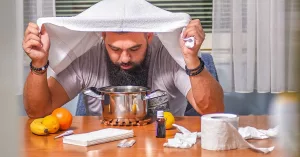
The Centers for Disease Control and Prevention (CDC) recommends getting extra rest when you have a cold. Also, drink plenty of fluids to stay hydrated and help loosen mucus. Over-the-counter cold remedies can make sleeping and daily tasks easier.
Read more about recovering from a cold quickly.
Should I inform my surgeon if I have a cold?
You should definitely tell your surgeon if you catch a cold before your scheduled operation.
It may be tempting to hide this, especially if you’ve rearranged your life around the date or been waiting a long time. You might hope symptoms won’t be obvious. But for your safety during and after surgery, it’s essential to disclose any illnesses, including colds.
Notifying your surgeon ahead of time can also help others who might take your slot. Same-day cancellations can cause considerable financial and staffing inefficiencies. Informing your doctor early about a cold can minimize this waste.
Takeaway
If you have a cold and your operation is approaching, there are steps you can take to recover more quickly.
Even if you feel better, be sure to tell your surgeon if you’ve been sick near your surgery date. They and the anesthesiologist need to decide whether it’s safe to proceed.
Feeling anxious about surgery and recovery is normal. Talking with your medical team can help you feel more prepared and informed, whether or not you have a cold.



















Leave a Reply
You must be logged in to post a comment.