
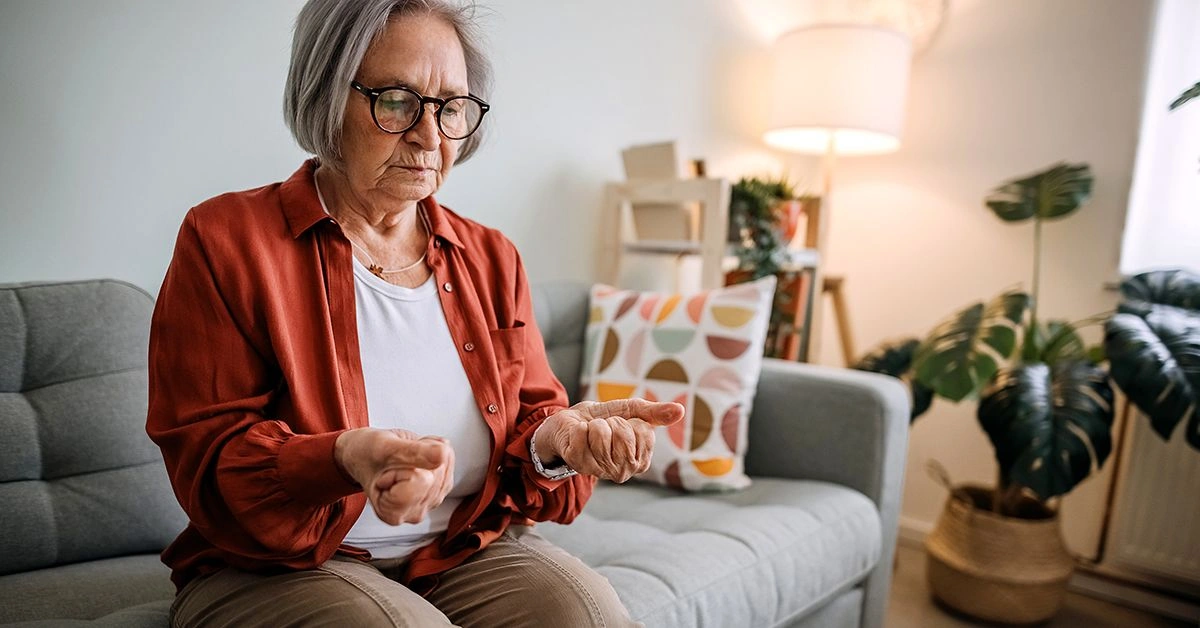
Alcoholic neuropathy is a disorder in which excessive alcohol intake harms nerve tissue. This can lead to pain, tingling, and loss of feeling in the limbs.
Alcoholism, now commonly referred to as alcohol use disorder (AUD), is a condition where you have difficulty stopping or controlling your drinking despite harmful consequences.
According to the National Institutes of Health, almost 29 million people in the United States had AUD in 2021.
Over prolonged periods, heavy drinking may result in alcoholic neuropathy. This condition is also called “alcohol-related neuropathy” to reduce stigma associated with the illness.
Alcohol-related neuropathy involves injury to the peripheral nerves, which relay messages between the brain, spinal cord, and the rest of the body.
Your peripheral nerves are responsible for key sensory and motor roles, including:
Studies indicate that as many as 66% of people with AUD show some form of alcohol-related neuropathy.
Stopping alcohol use can help restore nutritional balance, ease symptoms, and prevent additional nerve injury. Nevertheless, some nerve damage from alcohol may be irreversible.
Read on to find out more about the symptoms, underlying causes, and treatments for alcohol-related neuropathy.
Symptoms of alcoholic neuropathy
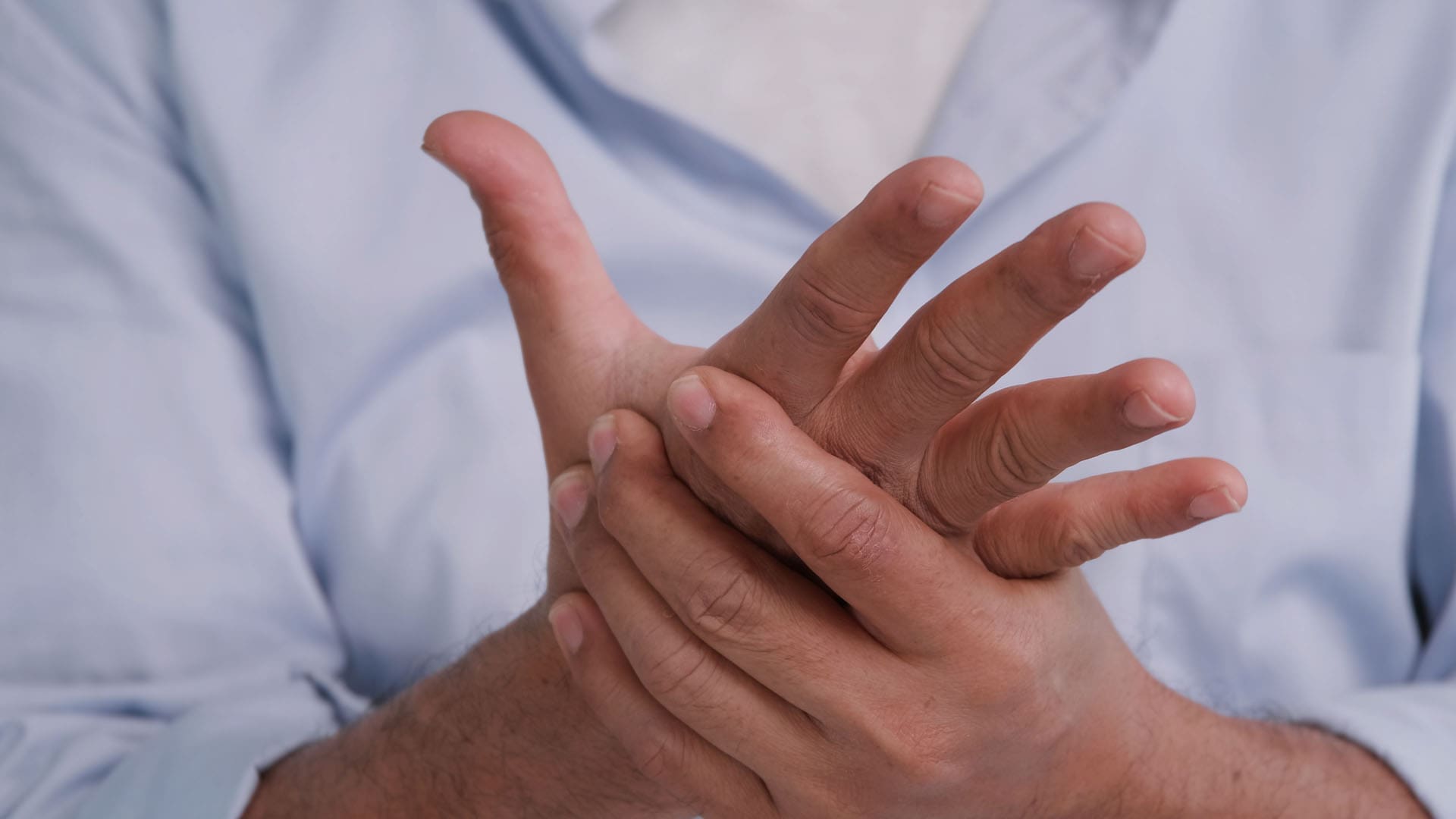
Symptoms of alcohol-related neuropathy resemble those of peripheral neuropathy. These can affect voluntary and involuntary movements as well as sensory perception.
Symptoms tend to most often appear in the lower extremities and may include:
- pain
- numbness and tingling
- a pins-and-needles sensation (paresthesia)
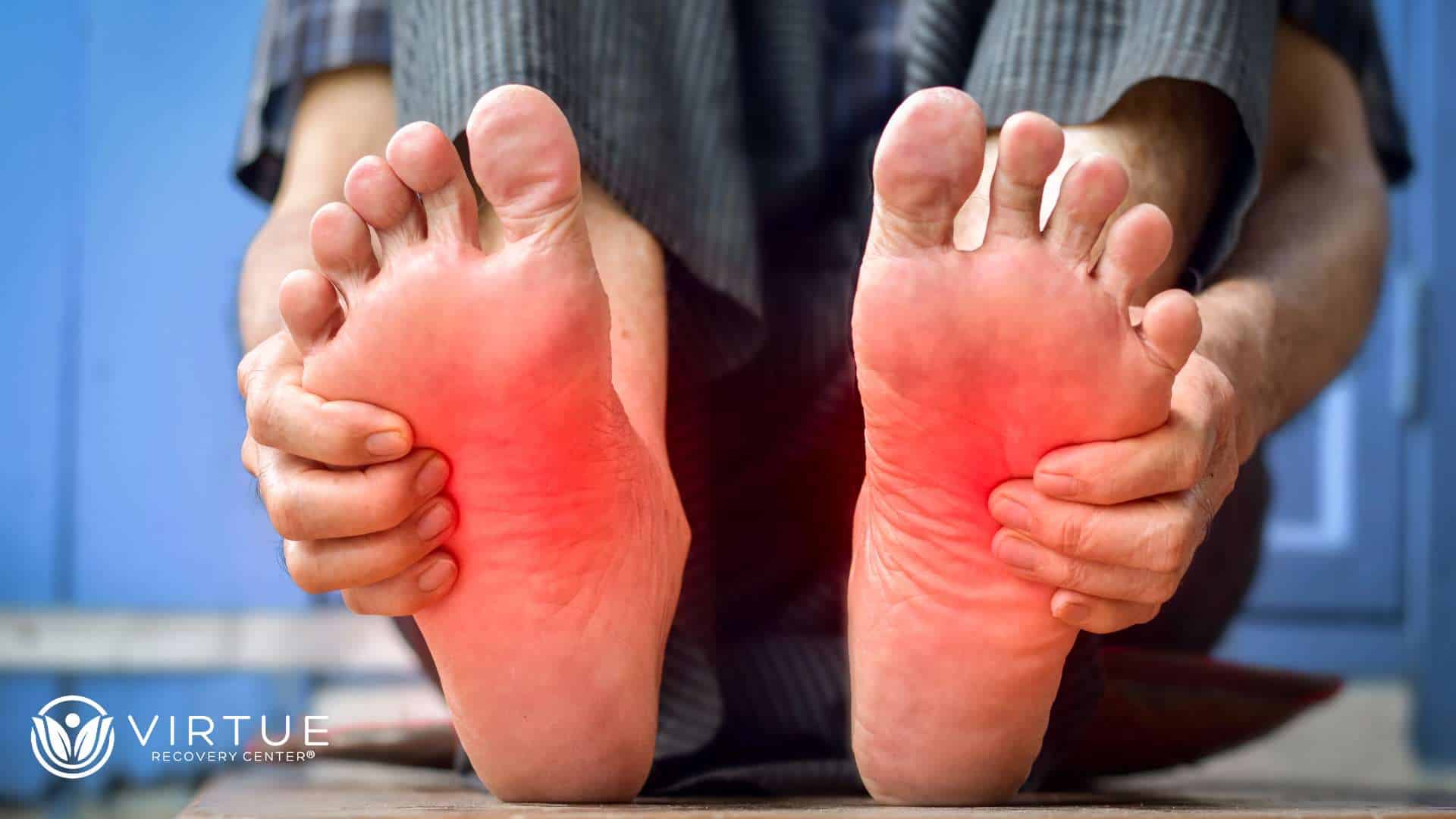
In severe cases, alcohol-related neuropathy can extend to the upper body and impair certain organ functions. Other possible signs include:
Arms and legs
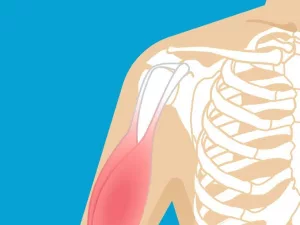
- muscle cramps and spasms
- muscle weakness and wasting
- loss of balance or coordination
- foot drop
Urinary and bowel
- incontinence
- constipation
- diarrhea
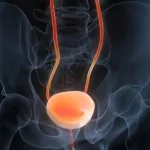
- difficulty initiating urination
- feeling that the bladder is not fully emptied
Other
- sexual dysfunction
- erectile problems
- low blood pressure
- rapid heartbeat (tachycardia)
- excessive sweating
- nausea and vomiting
- dizziness or lightheadedness
If you notice any signs of peripheral neuropathy, it’s important to consult a healthcare provider. Early detection and management increase the likelihood of recovery.
Causes of alcoholic neuropathy
The precise mechanisms behind alcohol-related neuropathy are not completely known. However, researchers have shown that prolonged heavy drinking can injure peripheral nerves.
One pathway by which chronic alcohol use may produce neuropathy is through malnutrition. Alcohol can interfere with absorption of key vitamins and nutrients essential for nerve health, such as:
- vitamin B1 (thiamine)
- folate
- vitamin E
Long-term alcohol use may also provoke oxidative stress and inflammation. This is linked to damage of the myelin sheath surrounding nerves (demyelination) and degeneration of nerve fibers (axonal loss).
Diagnosing alcoholic neuropathy
A clinician will begin with a physical examination and review of your medical history to evaluate symptoms. This often includes questions about:
- the kind, severity, and frequency of symptoms
- how much alcohol you drink and how often
Being open about your alcohol history is crucial for an accurate diagnosis.
Doctors may also order tests to rule out other causes of neuropathy, like vitamin shortages, diabetes, or HIV. These tests can include:
- blood tests
- nerve conduction studies
- electromyography (EMG)
- nerve biopsy
Treatment for alcoholic neuropathy
The most critical step in treating alcohol-related neuropathy is to cease alcohol consumption.
This can be difficult, particularly if you have AUD. But you are not alone—many supports and professional programs are available both in-person and online to assist you.
Treatment for AUD seeks to manage withdrawal symptoms and reduce alcohol cravings. A treatment plan may use a combination of:
- medications such as naltrexone, acamprosate, and disulfiram
- cognitive behavioral therapy
- talk therapy with a counselor or therapist
- participation in alcohol support groups
Learn more about how to safely stop drinking alcohol.
After addressing alcohol use, a clinician can target the neuropathy directly. Treatment varies depending on symptom type, location, and severity.
Your care plan may involve a combination of:
- vitamin supplementation
- prescription drugs such as amitriptyline, duloxetine, and pregabalin
- topical agents like capsaicin cream
- physical rehabilitation
- complementary approaches, including acupuncture and certain herbal treatments
Outlook for alcoholic neuropathy
The earlier you stop drinking, the better your prognosis if you have alcohol-related neuropathy. Research indicates that some or even most alcohol-related nerve injury can improve with abstinence and treatment.
That said, some nerve damage may be permanent, and ongoing drinking will likely worsen symptoms. This can result in disability, persistent pain, and lasting impairment of the arms and legs.
Preventing alcoholic neuropathy
Ways to reduce your risk of alcohol-related neuropathy include:
- not exceeding two drinks per day for men and one per day for women
- avoiding alcohol if you already have signs of alcohol-related neuropathy
- seeking help if you find it hard to cut down on drinking
- eating a balanced diet
- taking vitamin supplements when deficiencies are identified
Frequently asked questions
Does alcoholic neuropathy go away?
Alcohol-related neuropathy can improve or resolve if you stop drinking and follow treatment. However, severe cases may leave lasting nerve damage.
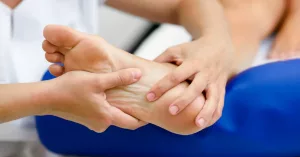
Can alcohol cause pain in your feet?
Yes. Long-term heavy drinking can produce peripheral neuropathy, which often causes foot pain.
What is alcoholic neuropathy muscle weakness?
Alcohol-related neuropathy can injure nerves that control movement, leading to muscle weakness and cramping.
How fast can neuropathy progress?
There’s no fixed timeline for the onset of alcohol-related neuropathy. It may develop over months or years. Nonetheless, quitting alcohol earlier can halt further nerve deterioration.
Takeaway
Alcohol-related neuropathy is a nerve disorder caused by long-term heavy alcohol use. The toxic impact of alcohol can harm peripheral nerves, which are crucial for movement and sensation.
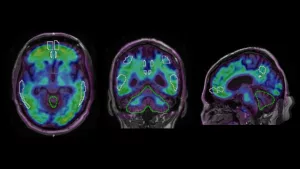
If you have symptoms of alcohol-related neuropathy or are struggling to quit drinking, speak with a healthcare professional. They can help create an appropriate treatment plan and discuss related conditions such as alcoholic dementia.















Leave a Reply
You must be logged in to post a comment.