
Butter is a widely consumed dairy product usually produced from cow’s milk.
In essence, it’s the milk fat in a solid state, created by churning milk until the butterfat separates from the buttermilk.
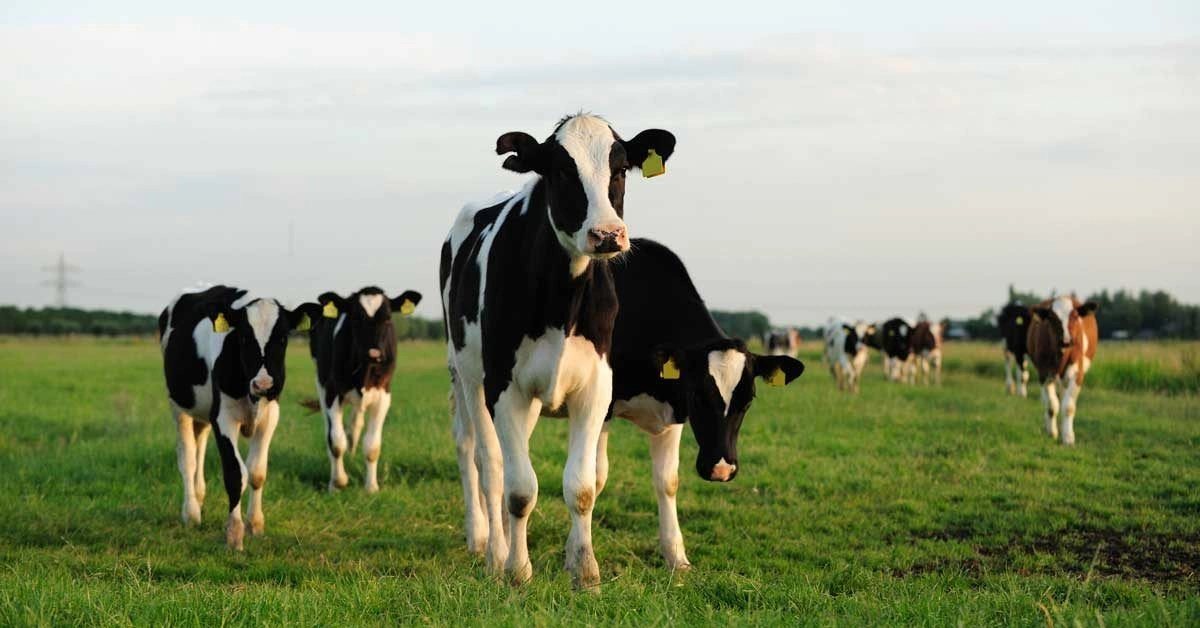
Interestingly, the diet of dairy cows can influence the nutrient profile of the milk they produce and, consequently, the butter made from it (1, 2).
Although most U.S. cows are fed primarily corn- and grain-based rations, products from grass-fed animals are gaining popularity (3).
Below are 7 possible health advantages of choosing grass-fed butter.
1. More nutritious than conventional butter
Both conventional and grass-fed butters are calorie- and fat-dense. They are also good sources of vitamin A, an important fat-soluble nutrient (4, 5).
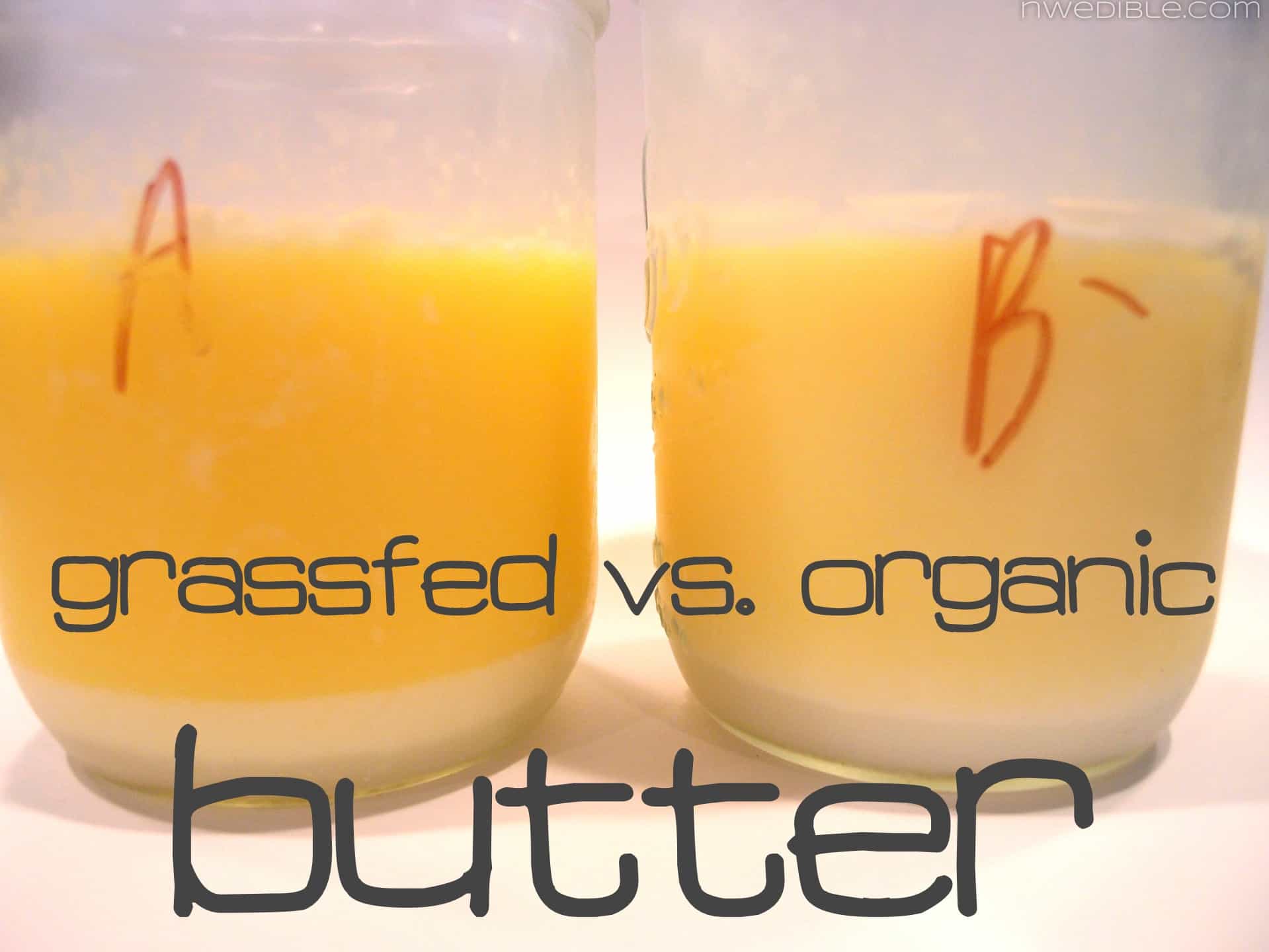
However, research indicates grass-fed butter may offer superior nutrition. Specifically, it tends to have a greater share of healthful unsaturated fatty acids (6, 7).
For example, grass-fed butter contains more omega-3 fats, which are thought to reduce inflammation and are associated with various health benefits.
One review reported grass-fed butter has approximately 26% more omega-3s than conventional butter on average (7).
Another review suggested grass-fed dairy products may contain up to 500% more conjugated linoleic acid (CLA) than standard dairy; CLA has been connected with several potential health effects (8).
For instance, CLA has shown promising anticancer activity in animal and laboratory studies, although further research in humans is required (9, 10, 11).
Beyond a healthier fat composition, grass-fed butter is thought to be considerably higher in vitamin K2, which is important for bone and cardiovascular health (12).
Summary: Compared with conventional butter, grass-fed butter tends to contain more vitamin K2 and a healthier mix of fats, including higher levels of omega-3s and CLA.
2. A solid source of vitamin A
Vitamin A is a fat-soluble essential nutrient — your body cannot synthesize it, so it must come from food.
Like standard butter, grass-fed butter supplies ample vitamin A. One tablespoon (14 grams) of grass-fed butter provides about 10% of the Reference Daily Intake (RDI) for this vitamin (5).
Vitamin A is vital for vision, reproductive health, and immune function. It’s also necessary for growth and development and contributes to the maintenance of healthy teeth, bones, and skin (13, 14).
Summary: Grass-fed butter provides vitamin A, a crucial nutrient for immune health, eyesight, and several other bodily functions.
3. Higher in beta carotene
Butter contains beta carotene — a compound your body converts into vitamin A as required to meet needs.
Research indicates grass-fed butter may contain greater amounts of beta carotene compared with conventional butter (15, 16).
In one study, butter from cows fed only grass had the highest beta carotene levels, while butter from cows fed a mix of grass and corn had the lowest (15).
Beta carotene is a potent antioxidant. Antioxidants help protect cells from damage caused by unstable molecules known as free radicals (17, 18).
Many observational studies link higher intake of beta carotene–rich foods with a lower risk of chronic conditions, such as age-related macular degeneration, type 2 diabetes, and some cancers (19, 20).
Keep in mind, though, most of those studies examined beta carotene from fruits and vegetables, not from grass-fed butter specifically.
Summary: Grass-fed butter tends to be richer in beta carotene than regular butter. Beta carotene is an antioxidant linked with a reduced risk of several chronic diseases.
4. Supplies vitamin K2
Vitamin K is a fat-soluble vitamin that comes in two main forms: K1 and K2.
Vitamin K1 (phylloquinone) is the most common form in typical diets and is abundant in plant foods like leafy greens (21).
Vitamin K2 (menaquinone) is less well known but important, and it appears in fermented foods and animal products, including grass-fed butter (21, 22).
Although less prevalent in the diet, K2 plays a critical role in health, particularly for bones and the cardiovascular system, by helping regulate calcium distribution (23, 24).
Vitamin K2 supports bone strength by signaling bones to absorb calcium; several studies show higher K2 intake is associated with fewer bone fractures (25, 26, 27).
K2 also helps prevent excess calcium from depositing in the bloodstream, which may reduce the risk of arterial calcification and plaque formation (28).
In a large observational study of 4,807 people, a higher intake of vitamin K2 (about 32 mcg/day) was linked to a 50% lower risk of death from heart disease (29, 30).
Summary: High-fat dairy like grass-fed butter contains vitamin K2, a form of vitamin K that supports bone and heart health.
5. Higher in unsaturated fats
Unsaturated fats include monounsaturated and polyunsaturated fats, which are generally considered heart-healthy. Numerous studies have linked them to cardiovascular benefits.
Strong evidence shows replacing some dietary saturated fat with unsaturated fat can lower heart disease risk (31).
One simple approach is swapping conventional butter for grass-fed butter.
Comparisons between dairy from grass-fed and conventionally fed cows indicate grass-fed butter contains more unsaturated fats than regular butter (32, 33, 34).
That said, grass-fed butter still has a substantial amount of saturated fat.
Recent studies suggest saturated fat may not be as strongly linked to heart disease as once believed. Still, it’s wise to consume a variety of fats — including those from nuts, seeds, and oily fish — rather than relying solely on saturated sources (35, 36).
Summary: Grass-fed butter generally contains more unsaturated fatty acids than regular butter; these fats are associated with cardiovascular benefits.
6. Provides conjugated linoleic acid (CLA)
Conjugated linoleic acid (CLA) is a fat primarily found in meat and dairy from ruminant animals such as cows, sheep, and goats.
Grass-fed dairy, especially grass-fed butter, is believed to be particularly high in CLA.
One study found milk from grass-fed cows contained about 500% more CLA than milk from cows fed a corn-based diet (8).
Research suggests CLA might offer several health effects.
Animal and laboratory studies indicate CLA may help protect against certain chronic illnesses like type 2 diabetes, heart disease, and some cancers (37, 38).
For example, in vitro studies showed CLA can trigger cancer cell death and slow growth of breast and colon cancer cells (37, 38, 39).
Human research is less consistent.
Some studies suggest diets higher in CLA correlate with a lower breast cancer risk, while others find no association (40, 41).
Animal studies in mice and rabbits indicate CLA supplements may slow and reduce arterial plaque formation (37), but the few human trials examining CLA’s impact on plaque have not shown benefits (37).
Moreover, many studies use concentrated CLA supplements rather than the small quantities present in a typical serving of grass-fed butter. Therefore, it’s unclear whether the modest CLA amount in butter has meaningful health effects.
Overall, more human trials are necessary to clarify CLA’s benefits.
Summary: Grass-fed butter may have up to 500% more CLA than conventional butter, but the small amounts found in servings of butter make its real-world effects uncertain. More human research is needed.
7. Easy to incorporate into meals
Ultimately, grass-fed butter can be a reasonably nutritious swap for conventional butter.
The flavor and texture are largely similar, so you can substitute grass-fed butter in any recipe without much adjustment.
Use grass-fed butter for baking, spreading on toast, or for cooking to reduce sticking.
Remember that grass-fed butter remains a concentrated source of fat and calories. While it may be healthier than some alternatives, it should be consumed in moderation to avoid unintentional weight gain.
Also include a variety of other healthy fats in your diet, such as those from nuts, seeds, and fatty fish, to ensure a broad spectrum of beneficial fatty acids.
Summary: Used in moderation, grass-fed butter is an accessible and relatively healthy alternative to regular butter.
The bottom line
Grass-fed butter supplies vitamin A and the antioxidant beta carotene. It also tends to have a higher ratio of beneficial unsaturated fats and CLA than conventional butter.
Additionally, it provides vitamin K2, which supports bone and cardiovascular health.
All together, grass-fed butter can be a healthier choice compared with regular butter when eaten in moderation.















Leave a Reply
You must be logged in to post a comment.