

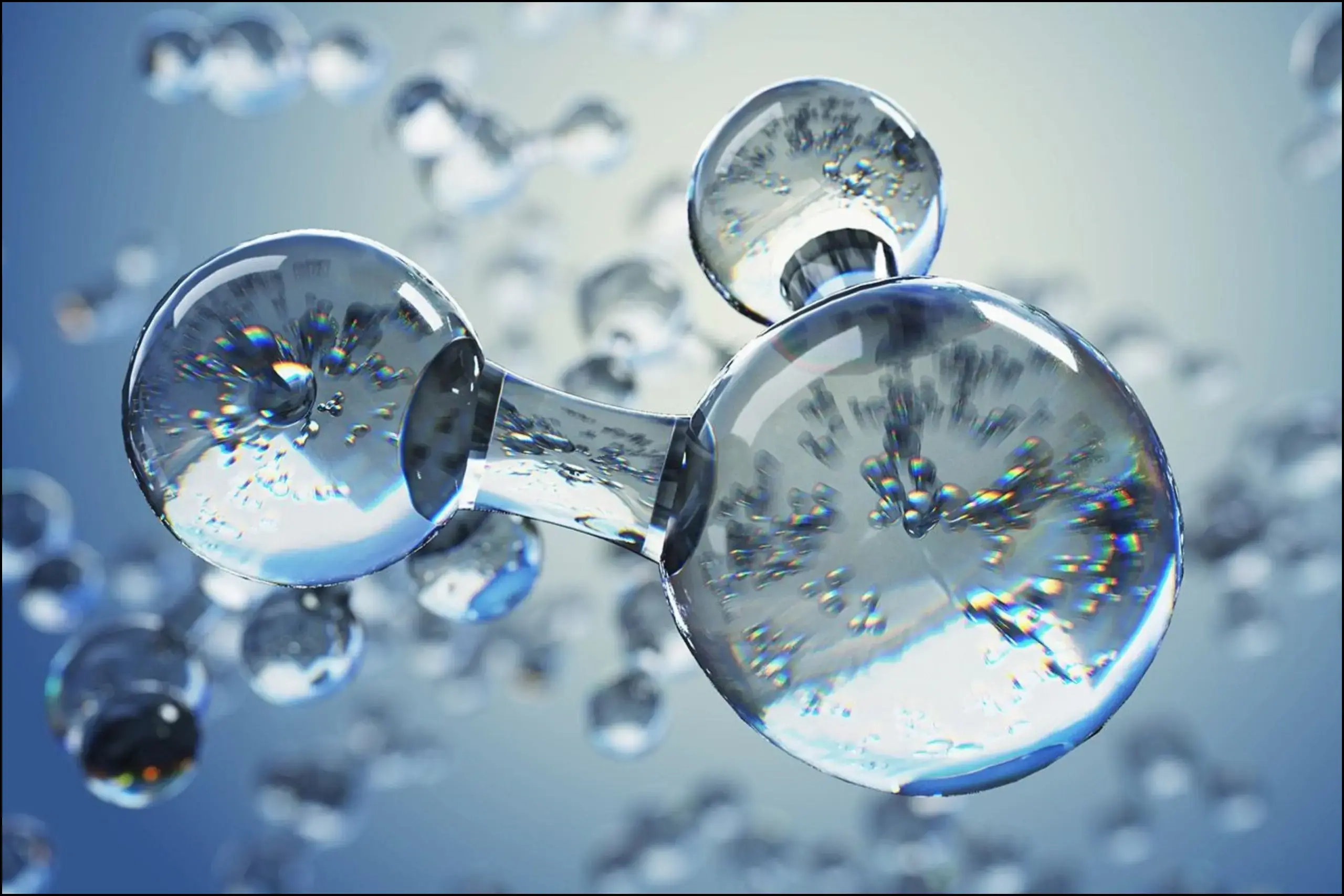
Structured water — sometimes labeled magnetized or hexagonal water — is described as water whose arrangement has supposedly been modified to create hexagonal clusters.
Advocates argue that structured water resembles water from pristine, unspoiled sources and that these characteristics make it healthier than ordinary tap or filtered water.
Proponents maintain that this form of water naturally occurs in mountain springs, glacier runoff, and other undisturbed sources.
Others suggest you can convert ordinary water into structured water by:
- magnetizing it using a vortexing process
- exposing it to ultraviolet (UV) or infrared light
- subjecting it to natural heat and energy like sunlight
- storing it in bottles containing gemstones
But is structured water truly as beneficial as claimed? Keep reading to learn more.
Supporters say it provides health advantages

Those who back structured water contend it delivers numerous health perks, asserting that it:
- boosts energy
- enhances focus and memory
- aids weight loss and helps maintain weight
- improves sleep quality
- supports immune function
- assists in detoxification
- encourages healthy digestion and reduces constipation
- extends lifespan
- improves skin tone and circulation
- helps regulate blood sugar
The theory behind structured water suggests that vortexing charges the water and allows it to retain energy, which then purportedly recharges the body and hydrates it more effectively than conventional drinking water.
Many assertions about structured water stem from the book “The Water Puzzle and the Hexagonal Key: Scientific Evidence of Hexagonal Water and Its Positive Influence on Health” by Dr. Mu-Shik Jhon, a work that has faced substantial criticism from specialists.
But there’s no solid proof supporting these claims
There are no high-quality human trials that substantiate the wide range of health-related assertions made about structured water.
Some advocates reference a 2013 animal study on magnetized water. In that research, magnetized water appeared to lower blood glucose and reduce DNA damage in blood and liver tissues in rats with experimentally induced diabetes after eight weeks.
A 2021 review noted that animal experiments have consistently reported benefits from drinking magnetized water, but emphasized the need for further work to understand mechanisms and long-term safety in humans.
Notably, the review’s author works for The Nutraceutical Alliance, a firm that provides services to brands, including supplement design and research.
Additionally, that review was carried out under a contract between The Nutraceutical Alliance and Defiance Brands, Inc., a company that markets structured water.
A handful of small human studies have suggested potential effects. In a 2017 trial, children who used magnetized water as a mouthwash for two weeks showed marked reductions in Streptococcus mutans (a bacteria linked to tooth decay) in plaque and saliva. However, the study lacked a control group.
In a 2023 study, men experiencing hair loss applied a topical lotion made of 95% magnetized saline water to the scalp daily for 12 weeks. Researchers reported activation of scalp autophagy and a significant rise in hair count.
Once more, that study had no control group, and it’s uncertain whether other components of the lotion contributed to the observed outcomes.
In another 2023 investigation, women used a facial serum containing 93% magnetized saline every day for 12 weeks and experienced better skin hydration, lower transepidermal water loss, decreased sebum production, and less redness.
Again, the absence of a control group and the possibility of additional active ingredients make the findings inconclusive.
Overall, the human evidence is limited, generally low in quality, and does not test the primary health claims proponents make about structured water.
Moreover, established scientific knowledge contradicts many of the assertions about structured water.
For example:
- Water’s chemical formula is H2O — two hydrogen atoms bonded to one oxygen atom. Proponents sometimes claim a formula like H3O2 for structured water, but a different chemical formula would represent a distinct substance that chemists have not identified.
- Advocates claim water forms a stable hexagonal structure, yet water molecules are in continual motion, so any arrangement is transient and constantly changing.
- A 2008 study by undergraduate students published in the Journal of Chemical Education examined water before and after magnetization and found no meaningful changes in hardness, pH, or conductivity.
Regular water still delivers many benefits

Medical research has long shown that drinking water supports health — and it doesn’t need to be “structured” to be beneficial.
You may have heard the guideline to drink eight glasses daily, but that isn’t a strict requirement.
You might need more fluids if you:
- are highly physically active
- are pregnant or breastfeeding
- live in hot or humid environments
- have an illness, including infections
Generally, you’re probably getting adequate fluids if you:
- sip water throughout the day or when thirsty
- consume plenty of fruits and vegetables, which contain water
- rarely feel thirsty
- usually have pale or clear urine
Maintaining hydration is important, though it is possible to drink excessive amounts of water.
The bottom line
Vendors promoting structured water make bold claims about its advantages.
Yet there’s little reliable evidence to support those assertions, and there’s no convincing proof that a distinct substance called “structured water” exists.
Ordinary drinking water — whether filtered or from the tap — provides genuine benefits at a far lower cost.




















Leave a Reply
You must be logged in to post a comment.