

The aroma of cinnamon is warm, spicy, and sweet — often evoking fond memories of comfort foods and snug moments. Cinnamon oil is valued for its rich scent and is associated with several health and cosmetic advantages.
Cinnamon in multiple forms has been researched for effects on infection control, blood glucose regulation, and other health issues. Studies show that cinnamon oil demonstrates:
- antibacterial
- antifungal
- antidiabetic
- and antioxidant activities
Although studies point to potential benefits, the FDA does not oversee or certify the purity or standards of essential oils. It’s wise to consult a healthcare provider before starting essential oil use and to investigate the quality of any brand. Always perform a patch test when trying a new essential oil.
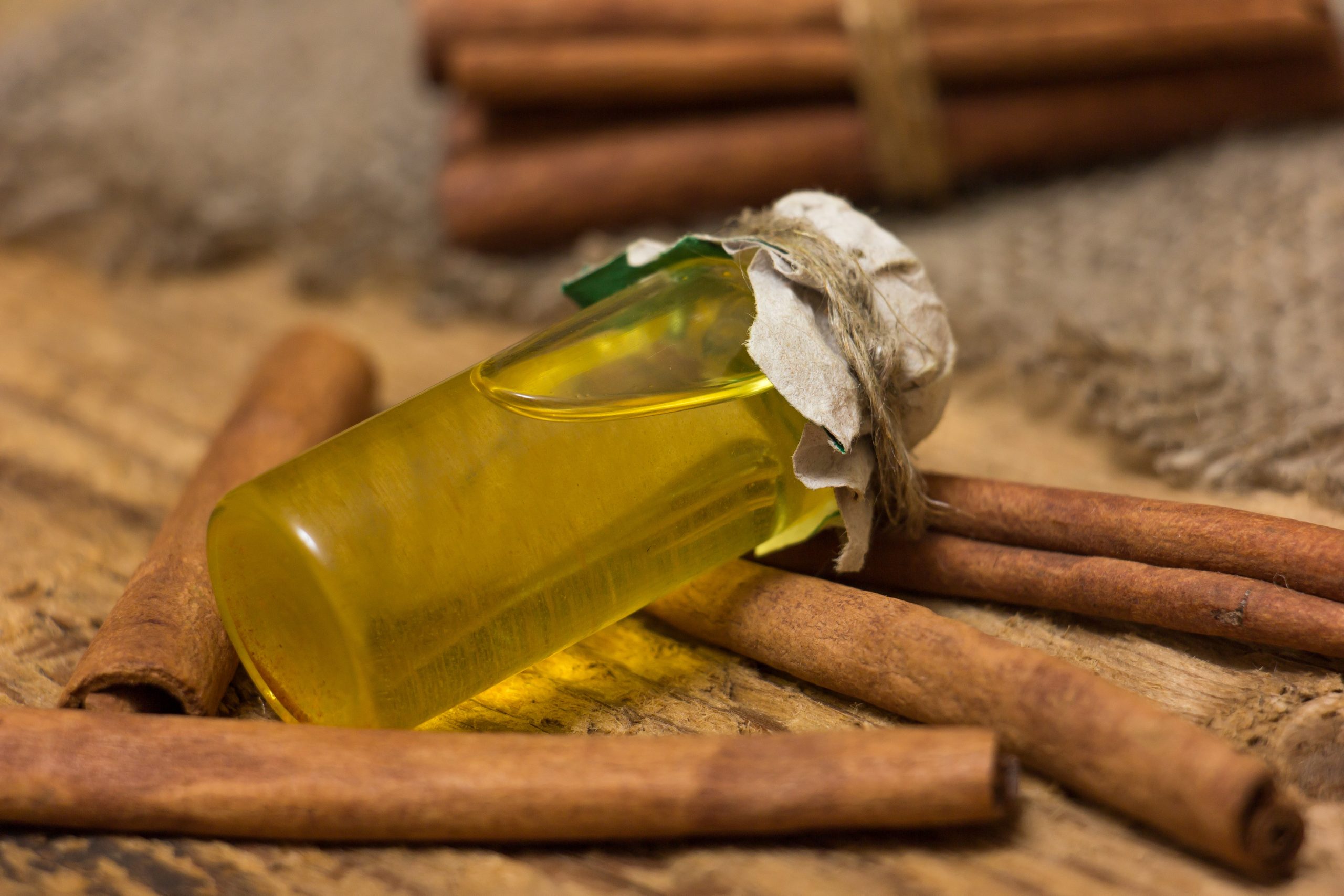
Varieties of cinnamon oil
Cinnamon oil is extracted from the bark or leaves of several species of trees, including Cinnamomum verum and Cinnamomum cassia.
Most cinnamon oil sold commercially is obtained from Cinnamomum cassia and is referred to as cassia cinnamon. Oil from Cinnamomum verum is known as Ceylon cinnamon and tends to be pricier.
Both types contain compounds and phytochemicals like cinnamaldehyde and eugenol. These components are largely responsible for cinnamon’s health-related effects. For more on differences, see ceylon vs cassia cinnamon.
Uses and benefits of cinnamon oil
Mood support
Cinnamon oil’s characteristics make it a favorite for home aromatherapy routines.
In aromatherapy, essential oils are diffused or lightly misted into the air so they can be inhaled or absorbed through the skin. Aromatherapy has been associated with benefits such as reduced anxiety and depression and improved sleep quality.
Research into cinnamon oil specifically for aromatherapy is limited, but many people find the smell of cinnamon soothing and pleasant.
Shop for essential oil diffusers.
Antibacterial action
Research indicates cinnamon oil may:
- Fight difficult-to-treat bacterial strains. A study using cultures and lab assays found that components of cinnamon oil exhibited antimicrobial activity against Pseudomonas aeruginosa, a potentially serious, drug-resistant bacterium that affects plants, humans, and animals.
- Help oral health. Cinnamon’s antibacterial and antifungal effects have shown activity against Streptococcus mutans and Candida ssp biofilm, both of which contribute to oral infections and tooth decay.
- Act as a natural preservative. The antibacterial traits of cinnamon bark oil make it a viable, non-chemical additive for extending product shelf life. One study suggested cinnamon oil could be used effectively as a preservative in cosmetics, personal care items, and disinfectants used in healthcare settings.

Hair thickness and growth
There is limited scientific evidence directly linking cinnamon to hair growth in people. Some animal studies in mice observed increased hair thickness and growth.
Anecdotal accounts and traditional remedies suggest a mask made from cinnamon, olive oil, and honey may help encourage hair thickening and growth.
Culinary uses and personal care
Cinnamon oil is offered as both an essential oil and a food-grade oil. It is commonly used as a flavoring in sugar-free gum, hard candies, teas, and prepared baked goods.
It’s also an ingredient in toiletries like toothpaste, mouthwash, soap, and lotions, and is used to scent room sprays, candles, and seasonal décor such as pine cones and garlands.
How to use cinnamon oil safely
A survey from the Tisserand Institute reports that many producers of cinnamon essential oil advise against direct topical application.
A common guideline is to keep cinnamon oil concentrations very low when used on skin. For instance, a suggested concentration of 0.01 percent or less equates to about 1 drop of cinnamon oil per 30 to 40 milliliters (mL) of carrier fluid.
| Milliliters | Equivalent ounces | Equivalent tablespoons |
|---|---|---|
| 30–40 mL | 1–1.5 oz. | 2 tbsp. |
Use in air fresheners
To fragrance your space, add one drop of cinnamon oil to fabric sachets or dried potpourri. You can also put a few drops into a diffuser with water. Many commercial air fresheners are available in cinnamon scents.
Mix into body oils and lotions
Cinnamon oil can be blended with a carrier oil for massage. For a topical mix, combine one drop of cinnamon oil with two to three cups of a carrier oil, like almond oil, and use for massage or skin moisturizing.
Use whole cinnamon sticks
Whole cinnamon sticks retain their natural oil and can be used for scenting. Drop one or two sticks into a pot of warm water and simmer to let the steam perfume your home.
Cinnamon sticks can also be used when brewing coffee or tea, or as stir sticks for hot drinks.
Side effects and risks of cinnamon oil
Effects on the liver
Cassia cinnamon, from Cinnamomum cassia, contains coumarin — a compound that may harm the liver and kidneys and can exacerbate liver conditions if consumed in excess.
Follow package instructions when using cassia-derived cinnamon oil and consult your physician if you have liver disease.
Interaction with diabetes treatments
If you have diabetes, speak with your doctor or pharmacist before using cinnamon essential oil. Aromatherapy might interact with medications used to regulate blood sugar.
Cinnamon oil is potent and easy to overuse. Possible adverse effects include skin irritation or a burning sensation.
Dilute cinnamon oil with a carrier oil before applying. A suggested ratio is one drop of cinnamon essential oil to two or more cups of carrier oil such as olive, almond, jojoba, or sesame oil.
Never apply undiluted cinnamon oil directly to skin.
Cinnamon oil does not blend with water. Do not add undiluted oil to bathwater, as it will bead and may irritate or burn the skin.
Avoid ingesting undiluted cinnamon oil or placing it into oral capsules; it can damage mucous membranes and the esophagus. Do not rub neat cinnamon oil on gums or allow it to contact the eyes.
Some people have cinnamon allergies. Refrain from using cinnamon oil or products containing it if you are allergic.
Bottom line
Cinnamon oil offers several health and beauty uses. It has antibacterial and antifungal qualities and can be used in aromatherapy for relaxation. Because it is very concentrated, cinnamon oil should be used with caution and in small amounts.






















Leave a Reply
You must be logged in to post a comment.