
WITHDRAWAL OF RANITIDINEIn April 2020, the Food and Drug Administration (FDA) requested that all forms of prescription and over-the-counter (OTC) ranitidine (Zantac) be removed from the U.S. market. This recommendation was made because unacceptable levels of NDMA, a probable carcinogen (cancer-causing chemical), were found in some ranitidine products. If you’re prescribed ranitidine, talk with your doctor about safe alternative options before stopping the drug. If you’re taking OTC ranitidine, stop taking the drug and talk with your healthcare provider about alternative options. Instead of taking unused ranitidine products to a drug take-back site, dispose of them according to the product’s instructions or by following the FDA’s guidance. Ranitidine, brand name Zantac, is now marketed as Zantac 360, which contains a different active ingredient (famotidine). Famotidine is in the same class as ranitidine and works the same way but has not been found to contain unacceptable levels of NDMA.
Was it something I ate?
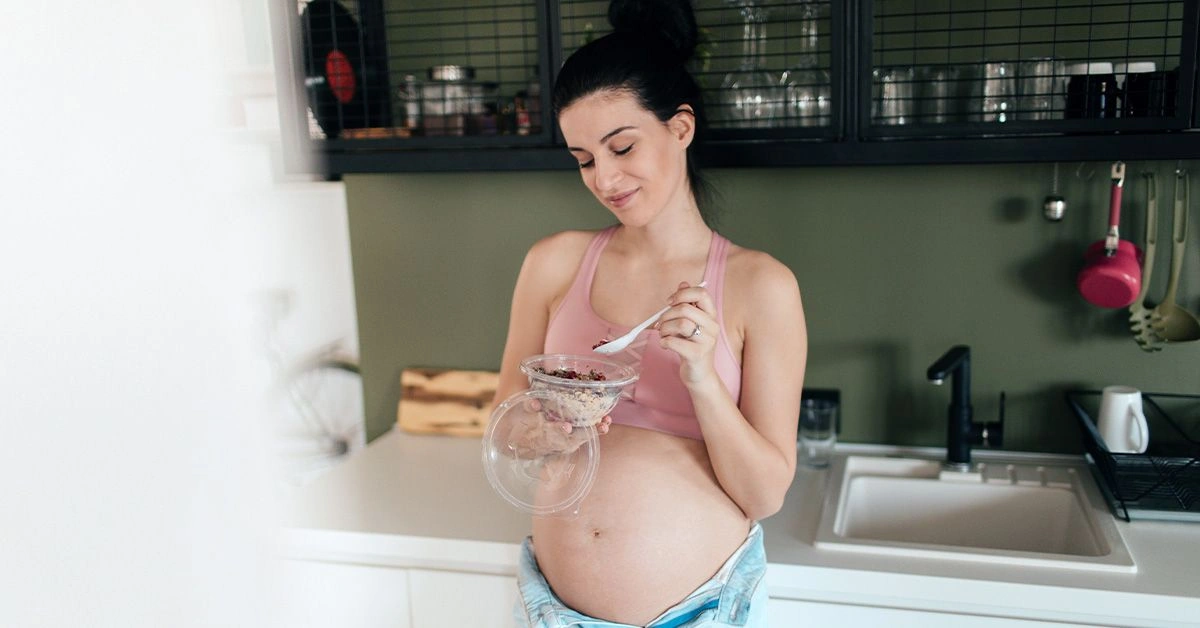
You may have prepared yourself for swollen ankles, morning sickness, and rapidly growing breasts. But that intense, burning discomfort in your chest? It can come as an unpleasant surprise. If you’re searching for the Best heartburn relief fast pregnancy, you’re certainly not alone.
Heartburn — also known as gastroesophageal reflux or acid indigestion — creates a hot, burning feeling that typically begins behind the breastbone and can move upward through the esophagus, the tube connecting your throat and stomach. In some cases, stomach acid can travel high enough to irritate the throat.

Along with the burning sensation, which may last anywhere from minutes to hours, you might also:
- experience bloating
- belch more frequently than usual
- notice a sour or acidic taste in your mouth
- develop a sore throat
- have a persistent cough
While that spicy burrito may have intensified your symptoms — spicy and acidic foods are known triggers — pregnancy hormones are usually the primary cause of this fiery sensation.
So if it isn’t the burrito, what’s causing it?
If your chest feels like it’s hosting a three-alarm fire, take comfort in knowing this is extremely common. Research shows that up to 45 percent of moms-to-be deal with heartburn during pregnancy. If you struggled with reflux before becoming pregnant, your risk may be even higher.
Heartburn can flare up at any stage, but it tends to peak during the second and third trimesters. Although specialists don’t fully understand every mechanism involved, they believe it stems from a combination of three main factors.
Hormones
Progesterone, often referred to as the “pregnancy hormone” because it supports the uterus and growing baby, plays a significant role in pregnancy-related heartburn.
This hormone relaxes smooth muscle throughout the body. In terms of digestion, it can loosen the lower esophageal valve — the tight band of muscle that normally prevents stomach contents from flowing back into the esophagus.
Under typical conditions, this valve opens to allow food and liquids into the stomach and then closes firmly. However, elevated progesterone levels during pregnancy can make the valve less effective, allowing stomach acid to move upward into the esophagus and sometimes the throat, causing irritation and inflammation.
Growing baby
As your uterus enlarges to accommodate your baby, it competes for space with nearby organs. Think of it like squeezing a tube of toothpaste: pressure builds, and contents are forced upward. Similarly, the expanding uterus presses on the stomach, increasing the likelihood that stomach acids will reflux — especially after a large meal.
The farther along you are, the more pressure is placed on your stomach, which helps explain why reflux is especially common in later pregnancy.
Slowed digestion
Progesterone also slows gastrointestinal motility. As a result, food remains in the stomach longer than usual. A fuller stomach for an extended period increases the chances that acid will back up into the esophagus, intensifying symptoms.
This combination of relaxed muscles, mechanical pressure, and delayed gastric emptying makes many pregnant individuals seek the Best heartburn relief fast strategies that are both effective and safe.
Proven ways to cool the ’burn
Although heartburn can be uncomfortable, there are practical, evidence-based steps you can take to reduce symptoms and protect your esophagus from ongoing irritation.


1. Watch what you eat
Acidic and spicy foods stimulate acid production and can worsen reflux. Try limiting citrus fruits, tomatoes, onions, garlic, caffeine, chocolate, carbonated beverages, and heavily seasoned dishes. Fried and high-fat foods also slow digestion, which may increase reflux episodes.
Instead, focus on smaller portions of balanced meals with lean proteins, whole grains, and non-acidic vegetables. Keeping a simple food diary can help identify personal triggers.
2. Eat frequent small meals instead of three a day
Large meals stretch the stomach and raise internal pressure. Eating smaller portions more often helps prevent overfilling and allows the stomach to empty more efficiently, reducing the risk of acid backflow.
3. Sit up straight when you eat
Maintaining an upright posture during and after meals uses gravity to your advantage. Avoid slouching, and consider remaining seated for at least 30 to 60 minutes after eating.
4. Don’t eat within three hours of going to bed
Lying down slows gastric emptying and makes reflux more likely. Giving your body a few hours to digest before bedtime can significantly reduce nighttime symptoms. If nighttime discomfort is your biggest challenge, you may also want to explore tips on What helps heartburn fast at night for additional guidance.
5. Don’t smoke
Smoking during pregnancy carries numerous health risks, including worsening heartburn. Chemicals in cigarettes relax the lower esophageal valve, allowing acid and partially digested food to rise into the esophagus more easily.
6. Elevate your head 6 to 9 inches when you sleep
Raising your upper body can help keep stomach contents where they belong. You can place pillows under your shoulders, use blocks to elevate the head of your bed, or invest in a wedge pillow positioned between the mattress and box spring. Sleeping slightly upright allows gravity to reduce reflux episodes.
7. Wear loose-fitting clothing
Tight garments around your abdomen increase intra-abdominal pressure and can aggravate heartburn. Opt for breathable, stretchy fabrics that comfortably accommodate your growing bump.
8. Drink after meals, not with them
Drinking large amounts of fluid during meals can overfill the stomach, raising the likelihood of reflux. Try sipping fluids between meals instead.
9. Give acupuncture a try
In a 2015 study, pregnant women who received acupuncture did not show a significant difference in overall heartburn symptoms compared with those who did not receive acupuncture. However, participants reported improved sleep and eating ability, which may indirectly enhance quality of life.
10. Don’t drink alcohol
Alcohol exposure during pregnancy can contribute to complications such as low birth weight and learning disabilities. It can also relax the lower esophageal valve, increasing reflux. Avoiding alcohol is essential for both symptom control and fetal health.
11. Talk to your doctor about heartburn medications
If lifestyle changes do not provide sufficient relief, consult your healthcare provider. Some over-the-counter (OTC) medications are considered safe during pregnancy.
Antacids work by neutralizing stomach acid and easing the burning sensation. The University of Wisconsin School of Medicine and Public Health notes that OTC antacids containing calcium carbonate (like Tums) are generally safe during pregnancy.
If symptoms persist, your doctor may recommend medications such as Tagamet or Prilosec, which are typically regarded as safe for pregnant individuals. Although these medications are available OTC, your provider may prescribe a specific dosage tailored to your needs.
But don’t do this
During pregnancy, every medication choice should be made with safety in mind. Some heartburn remedies that are acceptable for nonpregnant adults may not be appropriate while expecting, including:
- Antacids containing sodium bicarbonate, which may increase swelling.
- Antacids containing aspirin, which can be toxic to your baby. Aspirin use during pregnancy has been associated with pregnancy loss, heart defects, and bleeding on the brain in premature infants. (In certain situations, your doctor may prescribe aspirin for specific conditions such as preeclampsia.)
- Antacids containing magnesium trisilicate, which have not been proven safe during pregnancy.
The takeaway
Heartburn during pregnancy is both common and frustrating, but it is usually temporary. For most people, symptoms improve after delivery when hormone levels stabilize and abdominal pressure decreases.
While you may not be able to eliminate reflux entirely — especially if you were prone to it before pregnancy — you can often reduce its severity with mindful eating habits, posture adjustments, appropriate sleep positioning, and medical guidance when needed. By combining these strategies, you can find the Best heartburn relief fast pregnancy approach that works for your body and supports a healthier, more comfortable pregnancy journey.
If symptoms remain severe, interfere with eating, or significantly disrupt sleep, speak with your healthcare provider to ensure you’re receiving safe and effective treatment.




















Leave a Reply
You must be logged in to post a comment.