

Most of us recognize the familiar itchy, red welt that appears after a mosquito bite. In many cases, it’s a small irritation that fades on its own within a few days.
But have you ever wondered why it seems like mosquitoes target you more than the people around you? If you’ve caught yourself thinking, “I’m done being the victim how to bite a mosquito back”, there’s actually scientific insight behind that feeling.
Read on to learn what draws mosquitoes to certain individuals, why their bites itch so intensely, and what you can do to protect yourself more effectively.

What attracts mosquitoes to certain people?
A number of biological and environmental factors can make someone more appealing to mosquitoes. Below are some of the most important contributors.
Carbon dioxide
Every time we exhale, we release carbon dioxide. Our bodies also generate higher levels of carbon dioxide during physical activity, such as exercise.
Mosquitoes are highly sensitive to shifts in carbon dioxide in their surroundings. Research indicates that different mosquito species respond in varying ways to carbon dioxide concentrations.
An increase in carbon dioxide can signal to a mosquito that a potential host is nearby, prompting it to fly toward the source. This is often the first step in how mosquitoes locate a person.
Body odor
Mosquitoes are drawn to specific chemical compounds found on human skin and in sweat. These substances create a distinct body odor that can make some individuals more attractive to biting insects.
Several compounds have been identified as mosquito attractants, including lactic acid and ammonia.
Scientists are continuing to explore why body odor varies from person to person. Genetics, the composition of skin bacteria, or a combination of both may explain why some people seem to get bitten more frequently.
Genetics plays a substantial role in determining body odor. If a close family member is frequently bitten, you may share traits that increase your susceptibility. In fact, a study published in 2015 found that mosquitoes were strongly attracted to odors collected from the hands of identical twins.
Skin bacteria also influence how appealing you are to mosquitoes. A 2011 study demonstrated that individuals with a greater diversity of microbes on their skin were less attractive to mosquitoes.
Researchers additionally identified particular bacterial species that were more common on people who were either highly attractive or minimally attractive to mosquitoes. This emerging research may eventually inform more targeted prevention strategies.
Colors
Research suggests that mosquitoes are especially attracted to the color black, though the exact reason remains unclear. Wearing black or other dark shades may increase your chances of being noticed by mosquitoes.
Choosing lighter-colored clothing may reduce visual attraction and is a simple, practical prevention step.
Heat and water vapor
Our bodies continuously emit heat, and the amount of water vapor near our skin changes depending on environmental temperature and humidity.
As a mosquito approaches, it can sense both body heat and water vapor. These cues may influence its decision to land and bite. One study showed that mosquitoes gravitate toward nearby heat sources within a preferred temperature range.
These thermal and moisture signals are also important in host selection. Other animals may have different temperature patterns or moisture levels across their bodies, making humans particularly attractive to some mosquito species.
Learning
Mosquitoes may also develop preferences over time. They can associate certain sensory signals, such as specific scents, with a host that previously provided a high-quality blood meal.
An older study on mosquito-borne disease transmission found that 20 percent of hosts accounted for 80 percent of disease transmission within a population. This suggests mosquitoes may repeatedly target a small proportion of individuals.
Alcohol
A small 2002 study evaluated how alcohol consumption affects mosquito attraction. Researchers observed that people who drank beer were more attractive to mosquitoes than those who did not.
Although more research is needed, alcohol intake may subtly alter body odor or increase skin temperature, potentially enhancing attractiveness.
Pregnancy
Studies indicate that mosquitoes appear to be more attracted to pregnant women compared with non-pregnant women. This may be due to elevated body temperature and increased carbon dioxide exhalation during pregnancy.
Understanding these risk factors can help pregnant individuals take additional precautions in areas where mosquito-borne illnesses are present.
Where do mosquitoes like to bite?
In general, mosquitoes will bite any exposed skin to obtain a blood meal. However, they may show preference for certain body areas.
One older study found that two mosquito species tended to bite around the head and feet. Researchers suggested that skin temperature and sweat gland density in these regions may contribute to this pattern.
Areas with higher warmth or more sweat production may release stronger chemical and thermal signals, increasing the likelihood of a bite.
Why do mosquito bites itch so much?
When a mosquito bites, it inserts its mouthparts into the skin and releases a small amount of saliva into the bloodstream. This saliva contains proteins that help prevent blood clotting while the mosquito feeds.
Your immune system detects these foreign proteins and mounts a response. The resulting inflammation leads to redness, swelling, and the characteristic itching sensation.
The intensity of itching can vary depending on individual immune sensitivity and prior exposure to mosquito saliva proteins.
More serious reactions
Certain groups may experience a stronger reaction to mosquito bites. Symptoms can include low-grade fever, extensive redness or swelling, and hives.
These groups include:
- children
- people with a weakened immune system
- adults who have not previously been exposed to the bite of a specific mosquito species
Although uncommon, a severe allergic reaction known as anaphylaxis can occur after a mosquito bite. This is a medical emergency and may involve hives, difficulty breathing, and swelling of the throat.
Best ways to relieve a mosquito bite
If you’ve been bitten and are determined to stop suffering—perhaps even thinking, “I’m done being the victim how to bite a mosquito back”—there are effective ways to ease symptoms while your skin heals.
- Avoid scratching. Scratching increases inflammation and can break the skin, raising the risk of infection.
- Apply cold to the site. A cool compress or cold pack can help reduce swelling and soothe itching.
- Use lotions or creams. Hydrocortisone cream and calamine lotion can relieve itch and irritation.
- Consider over-the-counter (OTC) antihistamines. If your reaction is more intense, an OTC medication such as Benadryl may provide relief.
Most mosquito bites resolve within a few days. Contact your doctor if the bite appears infected or if you develop additional symptoms such as fever, body aches, or headache.
How to prevent mosquito bites
If you’ll be in an area where mosquitoes are active, taking preventive measures is essential. Beyond being bothersome, mosquito bites can transmit disease.

For those searching for proactive strategies—sometimes even looking up resources like How to bite a mosquito back ai—the key lies in consistent, evidence-based prevention.
- Use an insect repellent. Effective active ingredients include DEET, picaridin, and oil of lemon eucalyptus.
- Wear long sleeves and pants when possible. Covering exposed skin reduces available biting sites.
- Opt for light-colored clothing. Since mosquitoes are attracted to darker colors, lighter fabrics may be less appealing.
- Avoid peak mosquito activity times. Mosquitoes are most active at dawn and dusk, so limiting outdoor exposure during these periods can help.
- Eliminate mosquito breeding areas. Remove standing water from gutters, buckets, and containers. Refresh water in birdbaths or wading pools regularly.
- Keep mosquitoes out of your home. Ensure windows and doors have intact screens and avoid leaving them open without protection.
Combining these lifestyle adjustments with personal protective measures significantly lowers your risk of bites and mosquito-borne infections.
Why do mosquitos bite?
Only female mosquitoes bite humans and animals. They require blood to produce eggs.
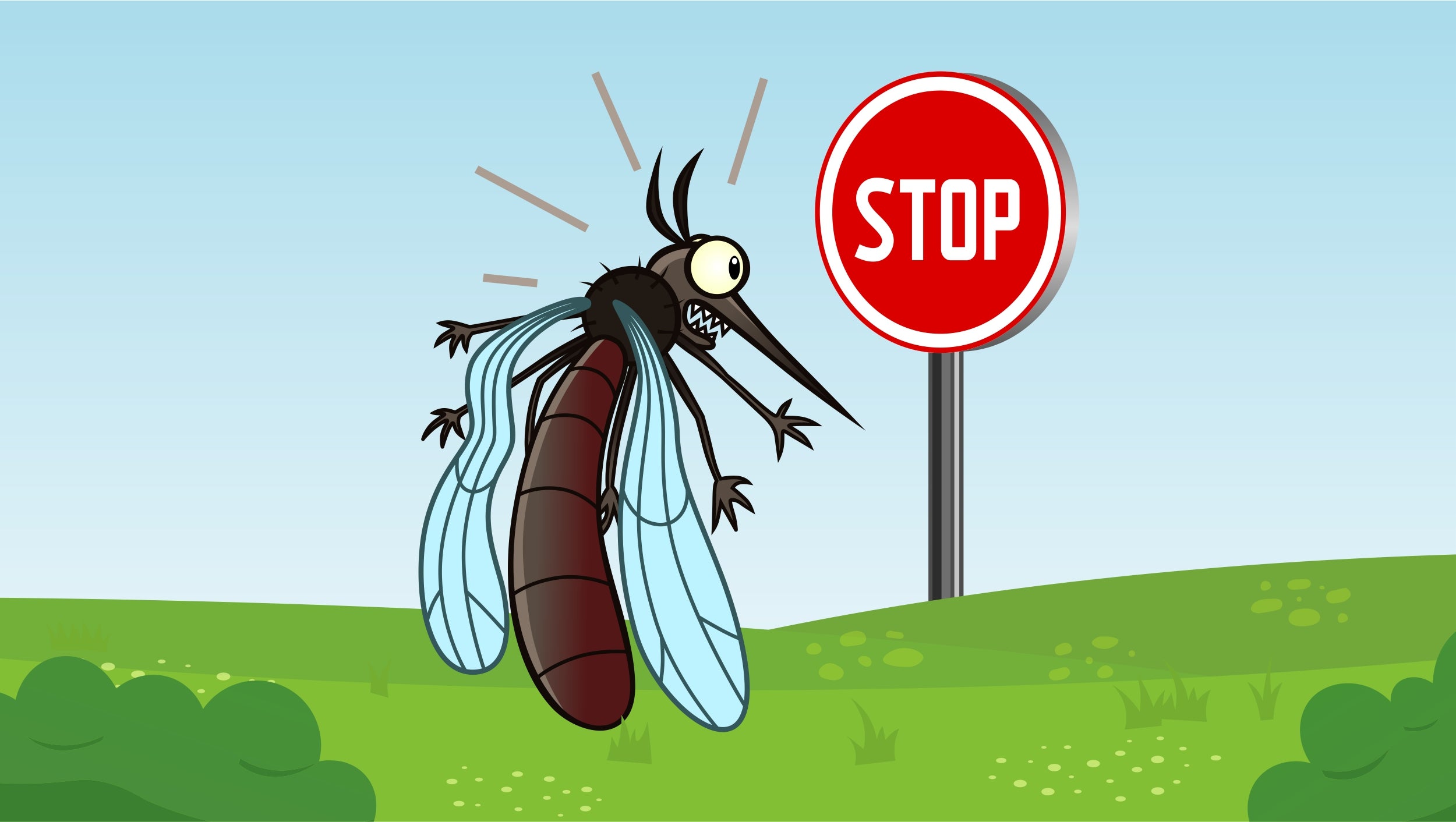
After obtaining a blood meal, a female mosquito can develop and lay her eggs. She may produce 30 to 300 eggs at one time. To lay another batch, she must feed on blood again.
Male mosquitoes do not consume blood. Instead, they feed on nectar and plant juices.
Key takeaways
If you’ve ever felt like mosquitoes single you out, research suggests you may not be imagining it. Factors such as carbon dioxide output, body odor, skin bacteria, body temperature, clothing color, alcohol consumption, and pregnancy can all influence mosquito attraction.
These elements often interact, making certain individuals more appealing hosts. Ongoing research continues to clarify how and why this occurs.
Because mosquitoes can spread disease, prevention remains crucial. With protective clothing, effective repellents, and environmental control, you can reduce your risk and move from feeling targeted to feeling empowered—even if you’re thinking, “I’m done being the victim how to bite a mosquito back.”













Leave a Reply
You must be logged in to post a comment.