

Peripheral neuropathy develops when the peripheral nerves are damaged or malfunction. When this happens, the nerves may transmit pain signals without an actual injury, or they may fail to send signals when harm occurs. Many people who ask, Can you die from peripheral neuropathy, are often concerned about how serious nerve damage can become and whether it can lead to life-threatening complications.
Your peripheral nervous system links the nerves of your brain and spinal cord — the central nervous system — to the rest of your body. These nerves extend to your:
- arms and hands
- legs and feet
- face and mouth
- internal organs
The role of these nerves is to relay sensory information back to the brain and carry instructions from the brain to the body. This ensures essential internal processes, such as blood circulation and digestion, work efficiently.
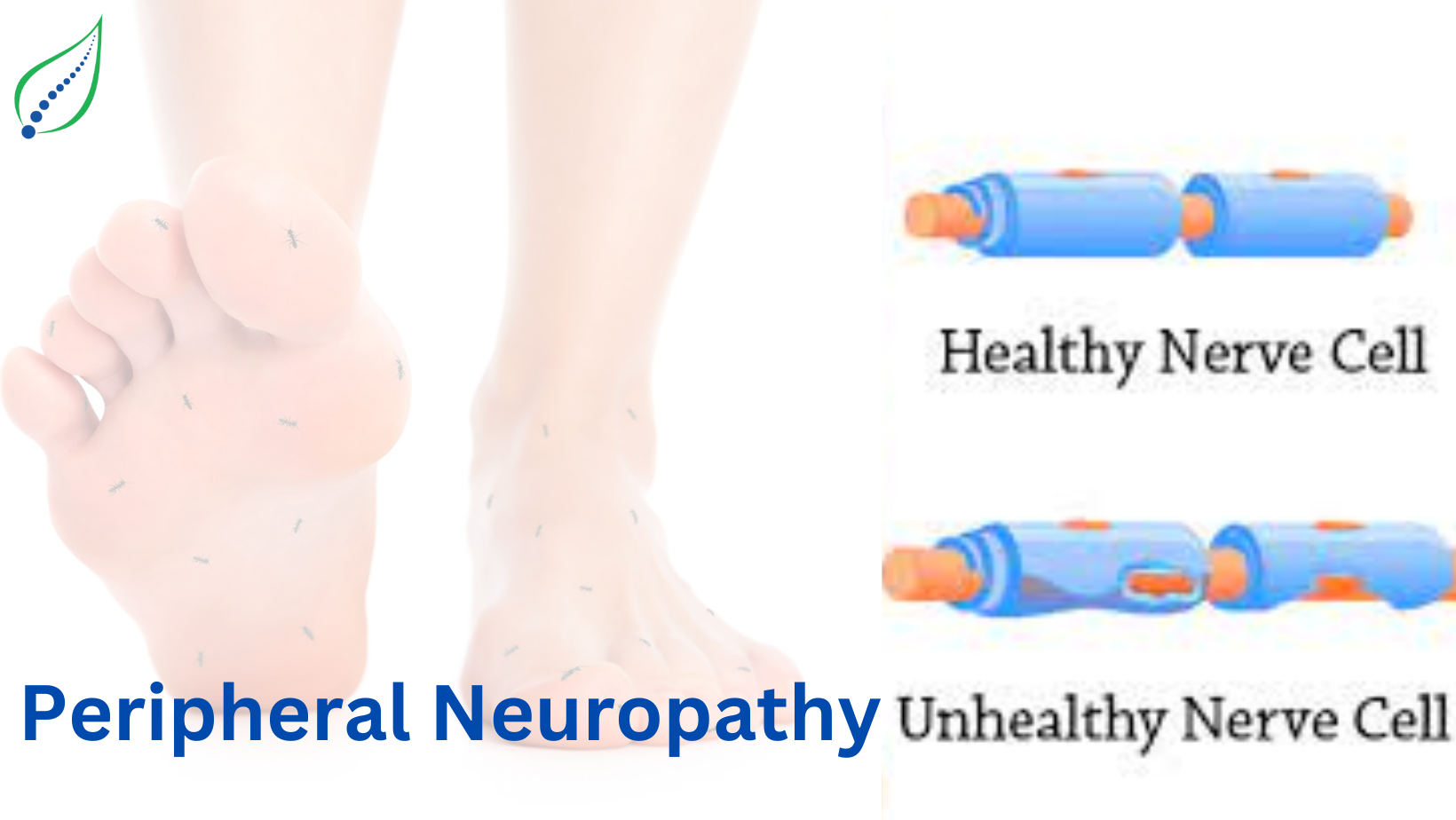
Peripheral neuropathy occurs when these nerves become impaired and no longer function as they should. It may result from:
- injury
- systemic illness
- infection
- hormonal imbalance
- certain medications
- vitamin deficiency
- an inherited disorder
Because the causes vary widely, the types of peripheral neuropathy are equally diverse. In fact, more than 100 types of peripheral neuropathy have been identified, each with its own pattern of symptoms and treatment strategies.
Clinicians also categorize peripheral neuropathies based on the pattern of nerve involvement. Mononeuropathy affects a single nerve, while polyneuropathies — the more common presentation — involve multiple nerves.
Although the condition can be uncomfortable and sometimes debilitating, many treatment options are available. Determining whether the neuropathy is linked to a serious underlying disease is the most critical step in protecting long-term health and reducing complications.
What are the symptoms of peripheral neuropathy?

The body contains three primary nerve categories. Because there are numerous forms of peripheral neuropathy, doctors identify your type based on which nerve group is involved. These groups include:
- Motor. These nerves control muscle movements such as walking, speaking, or using your hands and arms.
- Sensory. These transmit sensations like temperature, pain, and touch.
- Autonomic. These regulate involuntary body functions, including breathing, heart rate, and digestion.
Peripheral neuropathy may involve one nerve group, two groups, or all three. In some instances, only a single nerve is affected, which is referred to as mononeuropathy.
Symptoms differ depending on the specific type of neuropathy present.
Motor neuropathy symptoms may include:
- muscle cramps
- twitching
- muscle weakness
- foot drop
- muscle wasting
- paralysis
Sensory neuropathy symptoms may include:
- tingling or “pins and needles” sensations
- numbness
- decreased ability to feel pain or temperature changes
- heightened pain from light touch
- burning or stabbing pain
- loss of balance or coordination
Autonomic neuropathy symptoms may include:
- constipation or diarrhea
- bloating, belching, or nausea
- dizziness or fainting when standing due to low blood pressure
- rapid heart rate
- abnormal sweating patterns
- sexual dysfunction
- loss of bowel control
- difficulty fully emptying the bladder
These symptoms can interfere with daily activities, leading to difficulty walking or sleeping because of persistent pain in the legs and feet. Some individuals also wonder whether progressive weakness could lead to severe disability. If you’re concerned about mobility loss, you may want to read more about Can you become paralyzed from peripheral neuropathy to better understand potential outcomes.
Because similar symptoms can appear in other medical conditions, it’s important to discuss all changes with your doctor to receive an accurate diagnosis and timely care.
What are the causes of peripheral neuropathy?
Numerous underlying conditions and risk factors can cause peripheral neuropathy. While rare cases are hereditary, most instances are acquired over time.
In some acquired cases, the cause is idiopathic, meaning no clear explanation is found. However, healthcare providers can often trace the condition to one or more contributing factors.
Generalized diseases
Diabetes is one of the most common causes of nerve damage. Diabetic neuropathy frequently results in numbness, pain, and reduced sensation in the extremities.
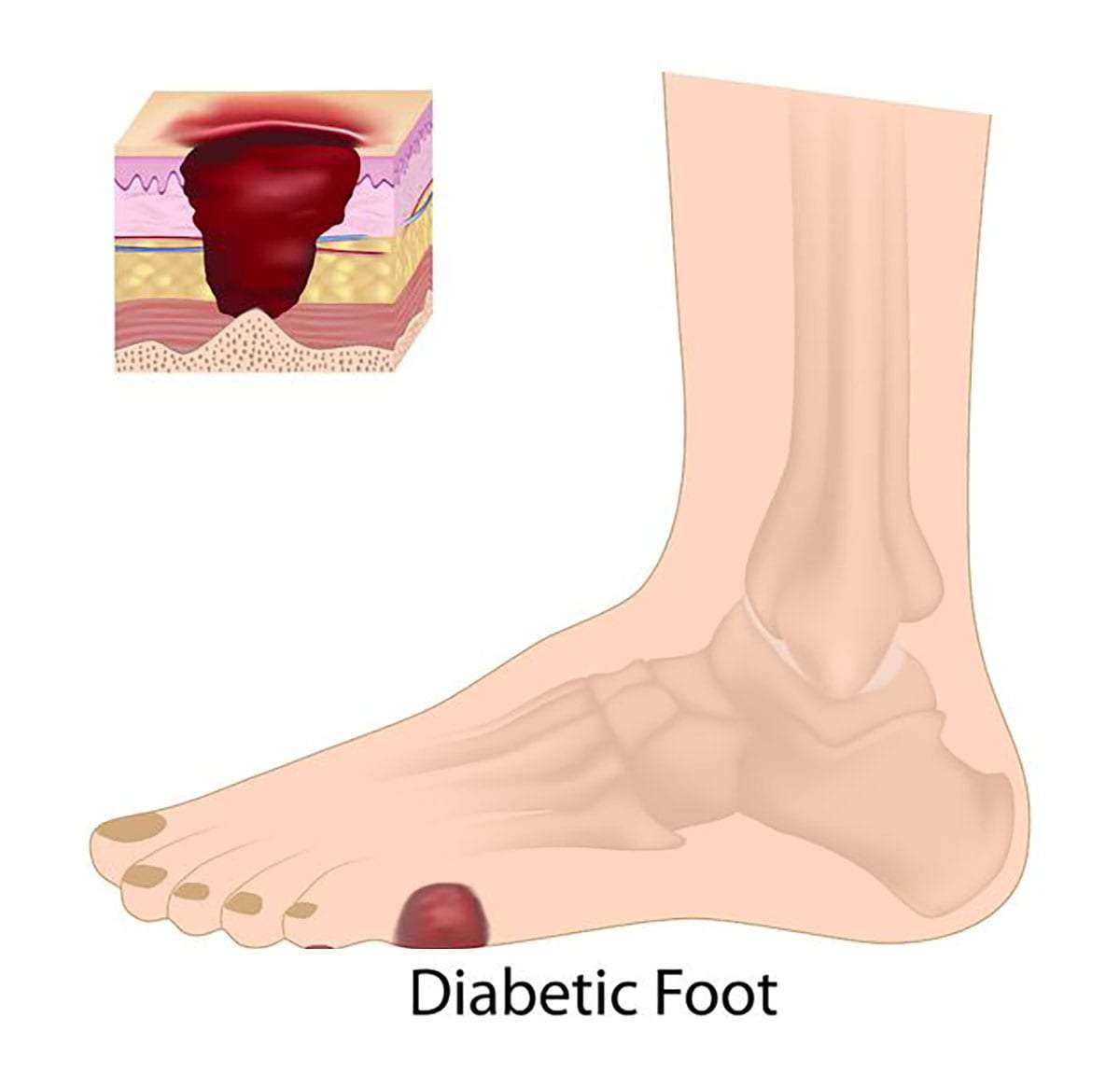
The American Diabetes Association recommends the following steps to help delay or prevent nerve damage:
- Regularly monitor blood sugar levels and maintain them within target range.
- Inspect your feet daily for injuries, infections, or irritated areas.
- Report early signs of neuropathy to your doctor.
- Wear protective footwear and exercise caution during physical activity.
According to the National Institutes of Health, 60 to 70 percent of people with diabetes experience some form of nerve damage.
Other chronic illnesses associated with nerve damage include:
- autoimmune diseases such as lupus or rheumatoid arthritis
- kidney or liver disease
- vascular and blood disorders
Injury
Physical trauma is another frequent cause of nerve injury. Car accidents, falls, and fractures may damage peripheral nerves. Even prolonged immobility or sustained pressure on a body part can trigger neuropathy.
Carpal tunnel syndrome, caused by pressure on the median nerve in the wrist, is a common type of peripheral neuropathy.
Alcohol and toxins
Alcohol can be toxic to nerve tissue. Individuals with severe alcohol use disorder face a significantly increased risk of developing peripheral neuropathy.
Exposure to toxic substances such as industrial chemicals, solvents, glue, or insecticides may also damage nerves. Heavy metals like lead and mercury are known contributors as well.
Infections and autoimmune disorders
Certain viruses and bacteria directly affect nerve tissue.
Viruses including herpes simplex, varicella-zoster virus, and Epstein-Barr virus can injure sensory nerves and trigger episodes of intense shooting pain.
Bacterial infections such as Lyme disease may also lead to nerve damage if untreated. Peripheral neuropathy can also occur in people with HIV or AIDS.
Autoimmune conditions like rheumatoid arthritis and lupus can damage peripheral nerves through chronic inflammation and immune system activity, leading to significant pain and dysfunction.
Medications
Some medications are associated with nerve damage, including:
- anticonvulsants
- drugs used to treat bacterial infections
- certain blood pressure medications
- medications used in cancer treatment
A 2020 study reported that while no direct evidence confirms that statins cause neuropathy, they may raise the risk of neuropathy from other causes.
How is peripheral neuropathy diagnosed?
Your doctor will begin with a physical examination and a review of your medical history. Additional diagnostic tests may include:
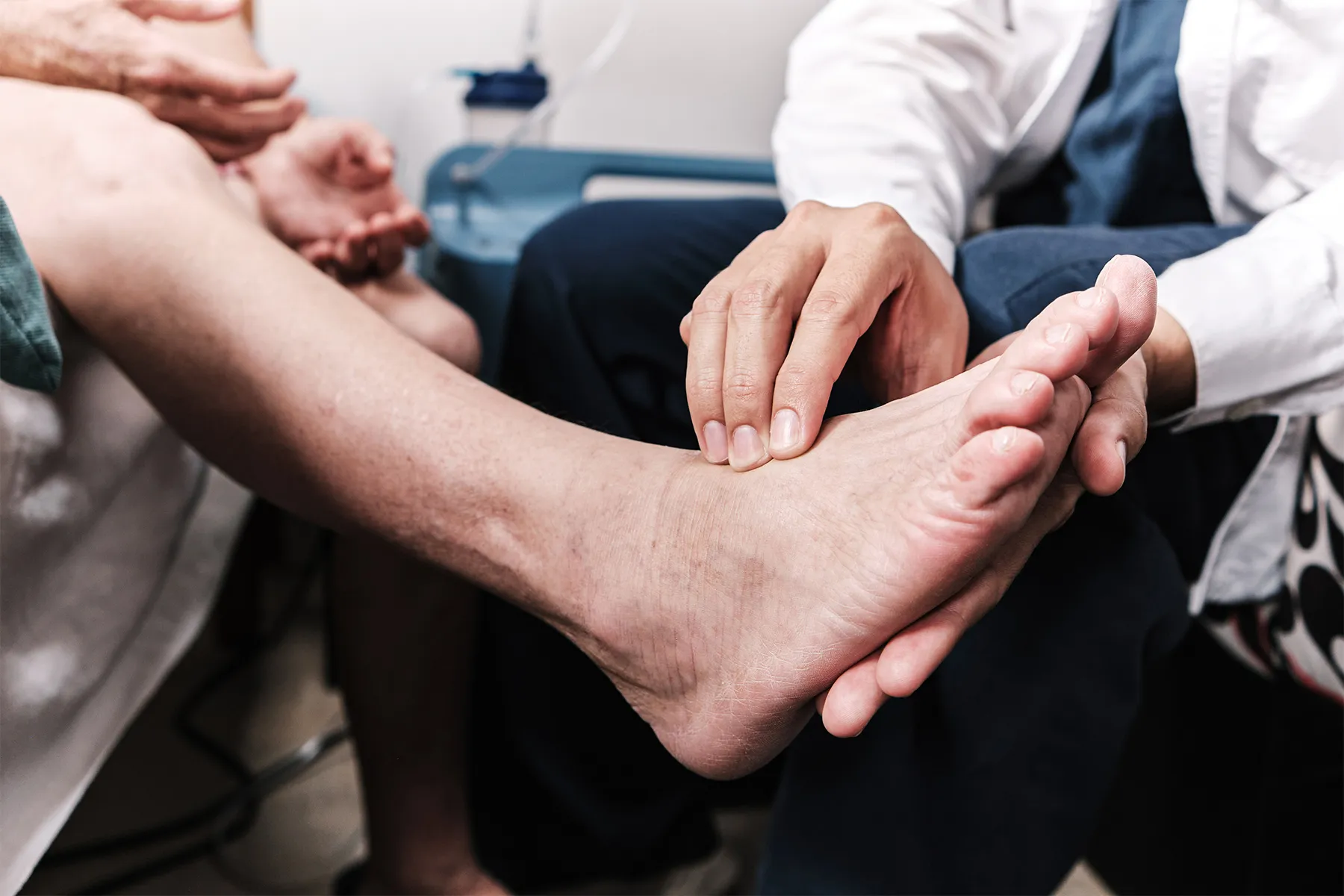
Electromyography
Electromyography evaluates how nerve signals travel to your muscles. A small needle electrode is inserted into the muscle to measure electrical activity during movement. Mild soreness may occur afterward.
Nerve conduction study
During a nerve conduction study, electrodes placed on the skin deliver small electrical pulses to assess how effectively nerves transmit signals. The procedure may be slightly uncomfortable but typically does not cause lingering pain.
If you need help finding a primary care doctor, then check out our FindCare tool here.
What are the treatment options for peripheral neuropathy?
Treatment focuses on addressing the underlying cause. For example, managing blood sugar is essential in diabetic neuropathy, while correcting a vitamin deficiency may resolve related nerve damage.
Many individuals benefit from a comprehensive plan that includes medication, physical therapy, and supportive lifestyle strategies. If you are seeking options specifically for lower limb symptoms, exploring Treatment for neuropathy in legs and feet can provide additional insight.
Pain medications
Over-the-counter medications such as acetaminophen (Tylenol), aspirin, and ibuprofen can help manage mild to moderate pain. Long-term overuse may affect liver or stomach health, particularly in those who consume alcohol regularly.
The Foundation for Peripheral Neuropathy lists additional topical OTC options, including menthol-based creams, capsaicin cream, Neuragen PN, and Sore No More.
Prescription medication
Prescription therapies may include narcotics, antiepileptic drugs, antidepressants, lidocaine patches, pregabalin, duloxetine, steroids, and anesthetics.
For men experiencing sexual dysfunction due to nerve damage, phosphodiesterase 5 inhibitors (PDE5Is) such as sildenafil, vardenafil, tadalafil, and avanafil may be prescribed.
Medical treatments
Plasmapheresis can remove potentially harmful antibodies from the bloodstream. Nerve blocks involve injecting an anesthetic directly near affected nerves.
Transcutaneous electronic nerve stimulation (TENS)
TENS delivers small electrical impulses through electrodes placed on the skin to interfere with pain signals. While it does not work for everyone, some find it beneficial as a drug-free therapy.
Ergonomic casts or splints
Splints and casts provide support for weakened muscles and improve stability. For example, wearing a wrist splint at night may relieve carpal tunnel symptoms.
Self-care
Supportive strategies that may ease symptoms include:
- soaking feet in chamomile or nettle leaf baths
- using heating pads or electric socks
- applying ice packs for short intervals
- trying acupuncture or biofeedback
- engaging in tai chi, reflexology, or reiki
- massaging affected areas to improve circulation
- avoiding pressure on sensitive nerves
- maintaining social engagement
- creating a consistent sleep routine
Regular moderate exercise may reduce discomfort and improve overall nerve health.
Limiting alcohol and quitting smoking are strongly recommended, as both can worsen nerve damage over time.
Take precautions at home
To lower the risk of injury:
- Use safety tools for sharp objects.
- Check bath water temperature with a thermometer.
- Wear protective gloves when handling hot items.
- Use assistive devices like a cane if balance is impaired.
- Install nightlights to prevent falls.
- Keep extremities warm in cold weather.
What is the long-term outlook?
If peripheral neuropathy results from a treatable condition, addressing the root cause may slow progression or improve symptoms. When an underlying cause cannot be reversed, symptom management becomes the focus.
Many people live full lives with peripheral neuropathy through proper medical care and lifestyle adjustments. In severe cases, complications such as infections, falls, or cardiovascular instability related to autonomic neuropathy may increase health risks. This is why individuals asking, Can you die from peripheral neuropathy, should understand that while the nerve damage itself is not typically fatal, untreated underlying conditions or serious complications can pose life-threatening risks.
How can I prevent peripheral neuropathy?
You can take proactive steps to prevent peripheral neuropathy by:
- discussing genetic risks with your doctor
- reviewing medications for neuropathy risk
- receiving vaccinations such as shingles vaccines
- controlling underlying conditions like diabetes
- quitting smoking
- reducing caffeine to improve sleep
Maintaining a balanced diet that includes essential nutrients supports nerve and vascular health. Proper intake of vitamins may help reduce deficiency-related neuropathy symptoms.
If you have diabetes, inspect and care for your feet daily to prevent complications.
The takeaway
Peripheral neuropathy results from damage to peripheral nerves and may affect motor, sensory, or autonomic function. Causes range from injury and systemic illness to medication side effects.
For those wondering, Can you die from peripheral neuropathy, the condition itself is rarely directly fatal. However, complications from underlying diseases, infections, or severe autonomic dysfunction can become serious if not treated. Early diagnosis, appropriate medical therapy, and consistent self-care can significantly improve quality of life and reduce long-term risks.





















Leave a Reply
You must be logged in to post a comment.