
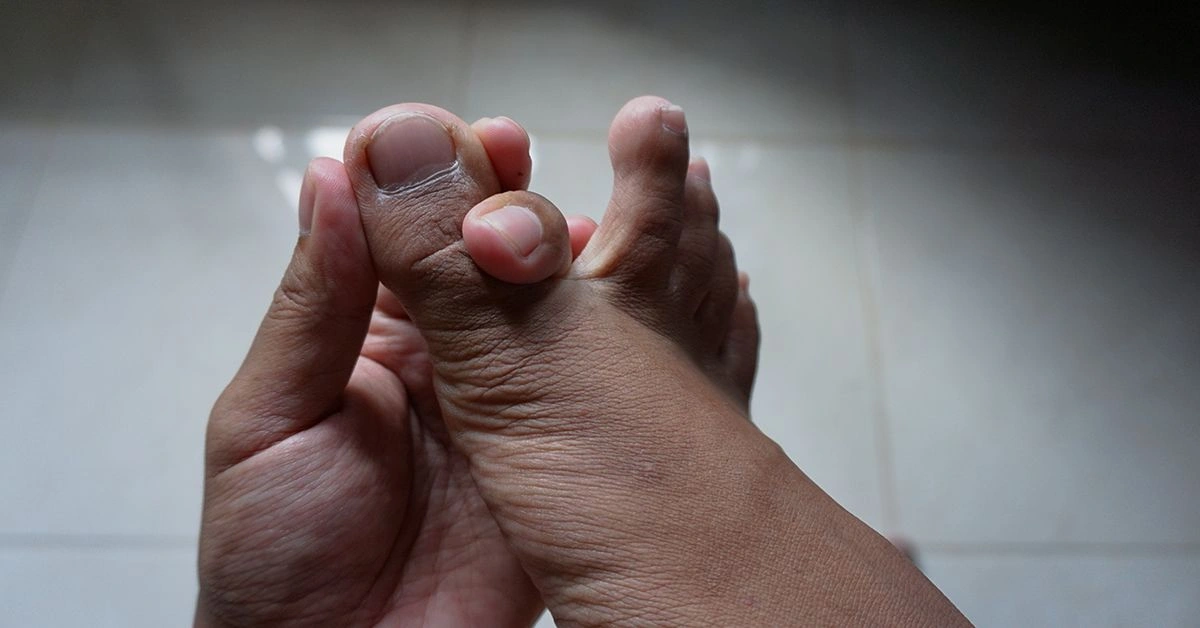
There are many possible reasons you might experience discomfort in your big toe, including swelling, stiffness, and limited range of motion. For some people, Big toe joint pain feels like it needs to crack, creating an uncomfortable pressure or popping sensation that doesn’t fully relieve the discomfort.

When joint pain develops in the big toe, arthritis is often the first concern. If the symptoms are sudden or severe, you might also worry about a fracture or sprain. While these are valid possibilities, several different medical conditions can contribute to pain in this area.
Understanding the potential causes of Big toe joint pain feels like it needs to crack can help you recognize warning signs, reduce risk factors, and choose appropriate treatment strategies. Below, we explore the most common causes, along with prevention and management options.
What causes joint pain in your big toe?
The big toe joint — medically known as the Medical term for big toe joint — plays a critical role in balance and walking. Pain in this area may stem from inflammatory conditions, structural abnormalities, injuries, or overuse. Review the following potential causes, including symptoms and prevention tips.
Gout
A form of arthritis, gout often presents with a sudden flare that targets the big toe joint. Hallmark symptoms include intense pain, stiffness, redness, and noticeable inflammation. Episodes may persist for 1–2 weeks at a time, and the joint can feel extremely tender to touch.
Risk factors and triggers
Gout develops when urate accumulates in the body, forming sharp crystals called tophi in joints and sometimes in organs such as the kidneys. Urate is produced when your body breaks down purines. Eating high-purine foods, including certain meats, can raise urate levels.
Additional risk factors include:
- advancing age
- a family history of gout
- being male
- frequent alcohol or sugary beverage consumption
- underlying conditions such as kidney disease, metabolic syndrome, and high blood pressure
- use of medications like diuretics, immunosuppressants, and aspirin
Preventing gout
Dietary adjustments — particularly increasing plant-based foods and limiting purine-rich options — may reduce flare-ups. Maintaining a healthy weight, controlling blood pressure, and following medical guidance for chronic conditions can further lower your risk.
Other forms of arthritis
Although gout frequently affects the big toe, other types of arthritis may also cause persistent stiffness, swelling, and discomfort that worsens after inactivity or first thing in the morning.
Risk factors and triggers
Various types of arthritis can involve the toe joints. Osteoarthritis (OA) commonly develops from gradual wear and tear or years after an injury.
Inflammatory autoimmune diseases that may affect the big toe include:
- rheumatoid arthritis (RA)
- psoriatic arthritis (PsA)
- lupus
Preventing other forms of arthritis
Arthritis cannot always be avoided, but you may possibly reduce your risk by maintaining a balanced diet, managing body weight, and stopping smoking if applicable. A healthcare professional can help design a personalized plan for lifestyle changes.
Bunion
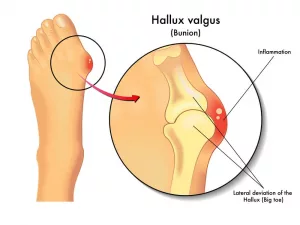
A bunion is a firm, bony bump that forms along the outer edge of the big toe. Over time, the big toe shifts inward toward the smaller toes, which can lead to pain and visible deformity.
Risk factors and triggers
Your risk increases if bunions run in your family or if you frequently wear high heels or shoes with narrow toe boxes that compress the toes.
Preventing bunions
Choosing footwear with a roomy toe box that allows your toes to spread naturally can help prevent bunion formation and decrease pressure on the joint.
Hallux rigidus
Hallux rigidus refers to stiffness and reduced motion in the big toe joint. It is a common form of arthritis affecting the base of the toe, sometimes leading to a swollen or enlarged area over time.
Risk factors and triggers
This condition most often occurs in adults aged 30–60. Contributing factors include past toe injuries, bunions, flat feet, and family history.
Preventing hallux rigidus
While not entirely preventable, supportive footwear with wide toe boxes and proper arch support may help lower your risk. Individuals with flat feet may benefit from orthotic inserts recommended by a doctor.

Sesamoiditis
Sesamoiditis involves inflammation of the sesamoids — small bones embedded within tendons near the big toe. Unlike most bones, sesamoids are connected by tendons rather than directly to other bones.
This condition typically causes pain beneath the big toe and along the ball of the foot, especially during weight-bearing activities.
Risk factors and triggers
Activities or footwear that place repetitive pressure on the ball of the foot — such as running or wearing high heels — may increase risk.
Preventing sesamoiditis
Adjusting activity levels and wearing shoes with cushioned soles and lower heels may help minimize stress on the joint.
Turf toe
Turf toe is a sprain of the metatarsophalangeal (MTP) joint in the big toe. It occurs when the toe bends backward excessively, which is common in athletes. Swelling and pain in the MTP joint are typical symptoms.
Risk factors and triggers
This injury frequently affects athletes in high-impact sports like football and basketball. The risk is even greater when playing on artificial turf, which provides less surface rigidity.
Preventing turf toe
Whenever possible, training and competing on natural turf may reduce the likelihood of this injury.
Ingrown toenail
An ingrown toenail develops when the edge of the nail grows into the surrounding skin. This may cause redness, swelling, and pain where the nail curves inward. It is most common in the big toe.
Risk factors and triggers
Contributing factors include trimming nails too short and wearing tight-fitting shoes.
Preventing ingrown nails
Cut nails straight across rather than rounding the corners. Keep feet clean and dry, and choose shoes that do not press against your toes.
Fracture
A fractured big toe can result in intense pain, bruising, redness, and difficulty moving the joint while healing.
Risk factors and triggers
Fractures may occur from sudden trauma, such as stubbing your toe or dropping a heavy object on it.
Preventing fractures
Wearing protective shoes and exercising caution when lifting heavy items can help prevent injury.
Raynaud’s
Raynaud’s phenomenon occurs when blood flow temporarily decreases to the toes and fingers, including the big toe. In addition to pain, symptoms may include tingling, numbness, and changes in skin color.
Risk factors and triggers
Episodes are often triggered by stress, anxiety, or sudden temperature shifts.
Preventing Raynaud’s
Keeping your feet warm with socks or blankets may reduce episodes. Regular physical activity can support circulation. In some cases, medications known as vasodilators may be prescribed to maintain blood vessel dilation.
What can cause throbbing pain in your big toe at night?
Several of the conditions above may also trigger throbbing or sharp nighttime pain, including:
- gout
- sesamoiditis (particularly with a sesamoid fracture)
- ingrown toenail (which may signal infection)
- a broken toe
What can cause big toe joint pain that feels like it needs to crack or pop?
If Big toe joint pain feels like it needs to crack, structural or degenerative joint changes may be involved. Conditions associated with this sensation include:
- OA
- Hallux rigidus
- turf toe
- broken toe
Some individuals describe this symptom as similar to Big toe joint pain out of nowhere, particularly when stiffness appears suddenly without clear injury.
What can cause big toe joint pain when walking
Pain that worsens during walking or weight-bearing may be linked to:
- gout
- other types of arthritis
- bunions
- hallux rigidus
- sesamoiditis
- turf toe
- ingrown toenail
- a broken toe
When to contact a doctor
Seek medical evaluation if big toe pain lasts longer than 2 weeks, interferes with walking, repeatedly comes and goes, or occurs alongside conditions such as diabetes.

Diagnosing the underlying cause
A healthcare professional may determine the source of your symptoms through:
- a detailed medical history
- a physical examination
- imaging tests such as x-rays
- blood tests to rule out autoimmune disease or confirm gout
How do you treat joint pain in the big toe?
Treatment depends on the specific diagnosis and severity. Options may include:
Home remedies
- resting the affected foot
- applying ice for 20 minutes every 3 hours
- performing gentle stretches
- switching to supportive footwear, possibly with cushioning
- using a protective boot if advised
OTC medications
Over-the-counter (OTC) options such as oral or topical ibuprofen may reduce inflammation and relieve pain related to arthritis or injury.
Prescription medications
In more severe cases, prescription topical treatments, steroid injections, or oral anti-inflammatories may be necessary. For gout, urate-lowering medications can help prevent future flares.
Surgery
Surgery may be considered for significant structural problems — including bunions, hallux rigidus, sesamoiditis, or advanced arthritis — that do not improve with conservative care.
Physical therapy
Physical therapy can strengthen surrounding muscles, improve flexibility, and support joint function in chronic conditions like arthritis.
Takeaway
Many causes of big toe joint pain improve with rest, footwear changes, and simple home care. Others, such as arthritis, may require long-term management. If Big toe joint pain feels like it needs to crack and persists or worsens, a medical evaluation can help identify the underlying issue and guide appropriate treatment.
Prompt care can prevent complications and help you return to comfortable movement as quickly as possible.


















Leave a Reply
You must be logged in to post a comment.