

Can bloating — or that uncomfortable sensation of fullness in your abdomen — signal ovarian cancer?
Many people experience occasional bloating, particularly after eating foods that produce gas or during their menstrual cycle. However, persistent bloating that does not subside is one of the most frequently reported symptoms of ovarian cancer. If you’re wondering, Does ovarian cancer bloating go down, the answer depends on the underlying cause and whether appropriate treatment is started.

Bloating associated with ovarian cancer may result in visible abdominal enlargement. Your stomach might appear swollen and feel tight, firm, or distended. Some individuals also notice additional symptoms, such as unintended weight loss or early satiety.
Continue reading to explore the connection between persistent abdominal bloating and ovarian cancer, other possible causes of bloating, when to seek medical care, and how symptoms can be managed.
Why does ovarian cancer cause bloating?
If ovarian cancer is present, bloating is often linked to a condition known as ascites. Ascites occurs when excess fluid accumulates within the abdominal cavity.

This fluid buildup commonly develops when cancer cells spread to the peritoneum, the thin tissue lining the inside of the abdomen.
Ascites may also arise if the cancer obstructs part of the lymphatic system. When lymphatic drainage is impaired, fluid cannot circulate properly and begins to collect in the abdomen, contributing to swelling and discomfort.
For some individuals, bloating is one of the earliest noticeable symptoms. Yet, it is frequently associated with more advanced stages of the disease, particularly when ovarian cancer has extended beyond the ovaries.
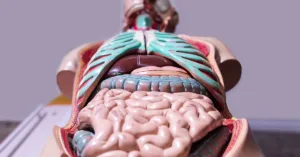
Medical imaging can help clarify the cause of swelling. For example, doctors may use pelvic scans such as Ovarian cancer images ultrasound to evaluate abnormalities. Visual references, including Pictures of bloated stomach ovarian cancer, may also help patients understand how cancer-related abdominal distention can appear compared with common digestive bloating.
Other symptoms of ovarian cancer
Identifying early warning signs of ovarian cancer is essential, as prompt diagnosis can improve treatment outcomes. Unfortunately, the condition is often detected at a later stage, after it has spread to nearby organs or distant areas of the body.
Only about 20 percent of ovarian cancer cases are found in the early stages.
In addition to bloating, possible symptoms include:
- pelvic or abdominal pain
- frequent urination or difficulty urinating
- feeling full after eating only a small amount
- fatigue
- back pain
- upset stomach
- heartburn
- constipation
- pain during sex
- changes in your menstrual period, such as heavy or irregular bleeding
- weight loss
These symptoms can be subtle and are often mistaken for common gastrointestinal or hormonal issues. However, when they persist for several weeks or progressively worsen, further medical evaluation is important.
Other causes of abdominal bloat
Although persistent bloating can be associated with ovarian cancer, there are many more common — and typically less serious — reasons for abdominal distention. Understanding these causes can help differentiate temporary digestive discomfort from symptoms that warrant further investigation.
Gas
An accumulation of gas in the intestines frequently leads to bloating. While gas formation is a normal part of digestion, excessive buildup can cause noticeable abdominal pressure and discomfort.
Constipation
Constipation occurs when bowel movements become infrequent or difficult to pass. Besides bloating, constipation may result in:
- infrequent bowel movements
- stomach cramps
- abdominal pain
Irritable bowel syndrome (IBS)
IBS is a common gastrointestinal disorder that can trigger:
- bloating
- pain
- cramping
- diarrhea
- other symptoms
Symptoms of IBS often fluctuate and may worsen during periods of stress or dietary changes.
Gastroparesis
Gastroparesis is a condition characterized by delayed stomach emptying.
Along with bloating, it may cause reduced appetite, unexplained weight loss, nausea, or vomiting. This disorder is sometimes linked to diabetes or prior abdominal surgery.
Small intestinal bacterial overgrowth (SIBO)
SIBO develops when excessive bacteria populate the small intestine.
Your risk of SIBO may increase if you’ve undergone intestinal surgery or if you have IBS with diarrhea.
Menstruation
Many women notice abdominal bloating during their menstrual cycle or around ovulation due to hormonal fluctuations.
Additional menstrual-related symptoms can include:
- cramping
- breast pain
- fatigue
- food cravings
- headaches
Additional causes
Other contributing factors to bloating may include:
- overeating
- a diet high in sodium or sugar
- drinking carbonated beverages
- weight gain
- taking certain medications
Various other digestive disorders can also result in abdominal swelling. Because symptoms often overlap, medical evaluation may be necessary if bloating is persistent or unexplained.
When to seek help
Although ongoing bloating is one of the most common signs of ovarian cancer, research suggests that many women delay seeking medical advice when they experience this symptom.
A survey conducted in the UK found that only one-third of women would consult a doctor if they had continuous bloating.
You should schedule an appointment with your doctor if your bloating:
- doesn’t go away
- is severe
- worsens over time
- is accompanied by other symptoms
Bloating that continues for three weeks or longer is not considered typical and should be evaluated by a healthcare professional.
It’s also advisable to seek medical attention if abdominal swelling disrupts your daily routine or causes significant concern.
What tests can be used to diagnose abdominal bloating?
If you’re dealing with persistent abdominal bloating, your physician may recommend diagnostic testing to determine the cause.
Possible evaluations include:
- A physical exam. Your healthcare provider may inspect and gently press on your abdomen to assess for fluid accumulation, tenderness, or a mass.
- Blood tests. Laboratory work may include a complete blood count (CBC) or a cancer antigen 125 (CA-125) test to check for abnormal markers.
- Imaging tests. An ultrasound, MRI, or CT scan can provide detailed images of your abdomen and pelvis.
- Colonoscopy. This procedure uses a flexible tube inserted into the rectum to examine the colon.
- Upper endoscopy. A thin scope is guided into the upper digestive tract to evaluate the esophagus, stomach, and part of the small intestine.
- Stool sample. Stool testing may help identify infections or other digestive disorders.
- Other tests. Additional evaluations may be ordered based on suspected causes.
How to manage abdominal bloating
Addressing abdominal bloating effectively requires treating the underlying cause. Depending on your diagnosis, your doctor may suggest lifestyle adjustments, dietary modifications, or medications.
If gas is contributing to your symptoms, you might consider limiting foods such as:
- wheat
- onions
- garlic
- beans
- dairy products
- apples
- pears
- plums
- apricots
- cauliflower
- certain chewing gums
Natural approaches that may ease gas-related bloating include drinking peppermint or chamomile tea and using supplements like turmeric. Engaging in regular physical activity can also promote healthy digestion.
Eating slowly to reduce swallowed air and consuming smaller, more frequent meals may further decrease abdominal discomfort.
Consult your doctor or a registered dietitian about a personalized eating plan if bloating continues.
Medical treatments
Over-the-counter (OTC) products such as Pepto-Bismol, Beano, or activated charcoal may help relieve bloating caused by gas. In certain cases, your physician may prescribe medication tailored to your specific condition.
Treatment for ovarian cancer bloat
If abdominal swelling is due to ovarian cancer, therapies like chemotherapy may help decrease fluid accumulation and alleviate symptoms.
In some situations, a doctor can perform a procedure to drain excess fluid from the abdomen, providing temporary relief from pressure and discomfort. Management strategies depend on the stage of the disease and the overall treatment plan.
Outlook
Bloating is a common experience for many women and is usually unrelated to cancer, particularly if it occurs occasionally and without additional symptoms.
However, if you find yourself repeatedly asking, Does ovarian cancer bloating go down, and your abdominal swelling persists or worsens, it’s important to seek medical guidance. Persistent bloating should not be ignored, especially when accompanied by pelvic pain, early fullness, or changes in urinary habits.
Timely evaluation can help determine whether the cause is a benign digestive issue or something more serious, ensuring that appropriate treatment begins as early as possible.





















Leave a Reply
You must be logged in to post a comment.