
Key takeaways
- Ivermectin oral tablet is a generic medication approved by the FDA to treat specific parasitic infections in humans.
- Common mild side effects of ivermectin include low energy, nausea, and drowsiness.
- Ivermectin tablet dosing is determined by body weight and the exact type of parasitic infection being treated.
What is ivermectin?
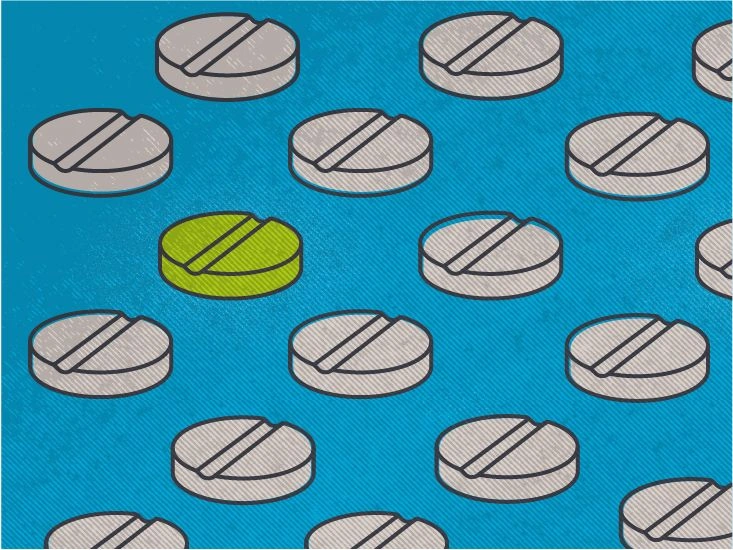
When discussing the Best medicine to kill parasites in humans, ivermectin is often highlighted as one of the most established prescription options. Ivermectin is a prescription medication used to manage several parasitic infections. For human treatment, it is available as an oral tablet, as well as topical cream and topical lotion formulations.
The oral tablet form of ivermectin is sold under the brand name Stromectol. It is also offered as a generic drug. Generic versions are typically more affordable than brand-name products, although they may not always be available in every strength or formulation.

Note: This article specifically addresses ivermectin oral tablets for human use. Although ivermectin is also used in certain animals, veterinary uses are not covered here.
Parasitic infections can affect the gastrointestinal tract, skin, and even the eyes. In addition to prescription treatment, some individuals explore supportive nutritional strategies such as Foods that kill parasites in humans and dietary adjustments like Foods to avoid with parasites. However, medical therapy remains essential for confirmed infections.
Why it’s used
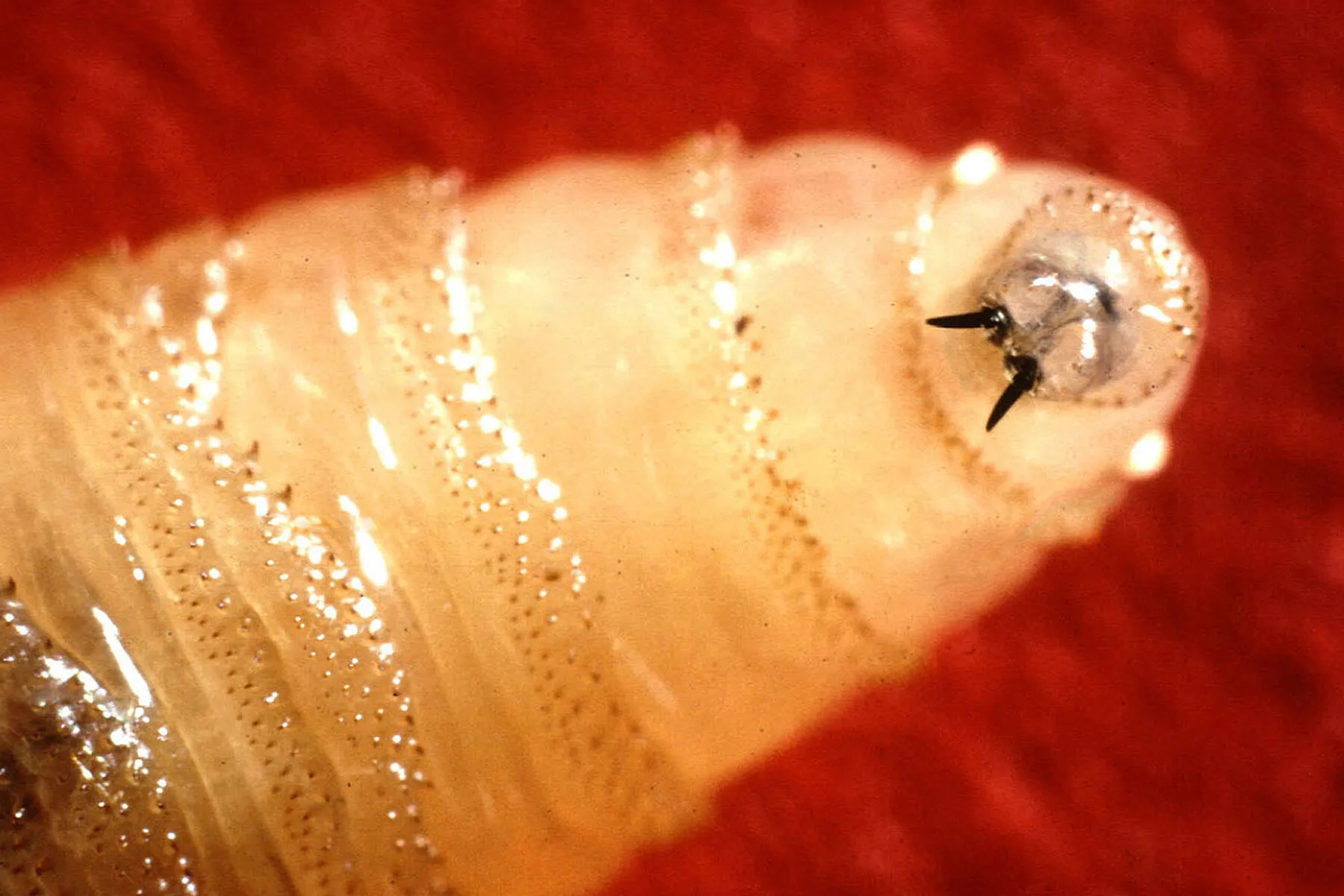
Ivermectin oral tablet is prescribed to treat infections caused by parasites. These may include parasitic infections affecting the intestinal tract, the skin, and the eyes. Because untreated parasitic infections can lead to complications, early diagnosis and appropriate therapy are crucial.
How it works
Ivermectin belongs to a group of medications known as antiparasitic drugs. A drug class consists of medications that function in similar ways and are commonly used to manage related conditions.
Ivermectin oral tablet works by attaching to specific structures within the parasite. This action ultimately paralyzes and destroys the parasite or temporarily prevents adult parasites from producing larvae. By interrupting the parasite’s life cycle, the medication helps clear the infection.
Ivermectin side effects
Ivermectin may cause mild or serious adverse effects. The lists below outline some of the more common side effects reported with ivermectin use, but they do not include every possible reaction.
For additional information about potential side effects or advice on managing bothersome symptoms, consult your doctor or pharmacist.
Side effects may differ depending on the condition being treated.
The more frequently reported side effects when ivermectin is used for intestinal infections include:
- fatigue
- abdominal discomfort
- decreased appetite
- nausea
- vomiting
- diarrhea
- dizziness
- sleepiness or drowsiness
- itching
When used for skin and eye infections, common side effects may include:
- joint pain and swelling
- tender, swollen lymph nodes
- itching
- rash
- fever
- eye-related issues
Mild side effects often improve within a few days to a couple of weeks. If symptoms persist or worsen, contact your doctor or pharmacist.
Serious side effects
Seek medical attention immediately if you experience serious side effects. Call 911 if symptoms feel life threatening or if you believe you are having a medical emergency. Serious side effects and their symptoms may include:
- neck and back pain
- serious eye problems, with symptoms such as: redness bleeding swelling pain loss of vision
- shortness of breath
- loss of bladder or bowel control
- trouble standing or walking
- confusion
- extreme fatigue or excessive drowsiness
- seizures
- low blood pressure, particularly when standing up, which may cause: lightheadedness dizziness fainting
- severe skin reactions, including: intense rash skin discoloration blistering or peeling
- liver damage, with symptoms such as: fatigue nausea vomiting loss of appetite right-sided abdominal pain dark urine yellowing of the skin or whites of the eyes
Ivermectin cost and savings
As with any medication, ivermectin pricing can vary. The amount you pay depends on factors such as your insurance coverage, geographic location, and the pharmacy you select.
- Comparing pharmacies: Prices for ivermectin oral tablets may differ between pharmacies. Comparing costs can help you find the most affordable option.
- Drug coupons: Prescription discount websites may offer coupons that lower the out-of-pocket cost. These discounts cannot be combined with insurance copays or benefits, but in some cases the reduced price may be lower than your insurance rate.
- Financial assistance: Certain organizations provide information about medication assistance programs, insurance optimization, and savings cards. Examples include Medicine Assistance Tool and NeedyMeds.
Ivermectin may interact with other medications
Ivermectin can interact with various other medications. Different types of interactions may produce different outcomes. Some interactions may reduce a drug’s effectiveness, while others can increase the risk of side effects.
Before starting ivermectin, inform your doctor and pharmacist about all prescription medications, over-the-counter drugs, vitamins, herbs, and supplements you are taking. Providing a complete list helps reduce the risk of harmful interactions.
If you have concerns about potential drug interactions, speak with your healthcare provider.
Warfarin
Warfarin (Jantoven) is a blood thinner. Taking warfarin together with ivermectin may increase the blood-thinning effect and raise the risk of bleeding. If both medications are necessary, your doctor will closely monitor your blood levels to reduce bleeding risk.
Ivermectin dosage
The dosage of ivermectin prescribed by your doctor depends on several variables, including:
- your age
- the specific infection being treated
- the severity of the infection
- other medical conditions you may have
- your response to the initial dose
The information below describes commonly recommended dosages. Always follow the exact dosage prescribed by your doctor. Your healthcare provider will determine the most appropriate regimen for you.
Drug forms and strengths
Generic: ivermectin
- Form: oral tablet
- Strength: 3 mg
Brand: Stromectol
- Form: oral tablet
- Strength: 3 mg
Dosage for parasite infection in the intestinal tract
Adult dosage (ages 18 to 64 years old)
- Typical dosage: 200 micrograms per kilogram (mcg/kg) of body weight taken as a single dose. (For reference, 1 kg equals approximately 2.2 pounds [lb].) Most individuals require only one dose.
Child dosage (ages 0 to 17 years old)
For children weighing 15 kg (about 33 lb) or more:
- Typical dosage: 200 mcg/kg of body weight given as a single dose. Most children will not need more than one dose.
Safety and effectiveness have not been established in children weighing less than 15 kg.
Older adult dosage (ages 65 years and older)
In older adults, liver function may decline with age. This can slow drug metabolism, allowing ivermectin to remain in the body longer and increasing the likelihood of side effects.
Dosage for parasite infection in skin or eyes
Adult dosage (ages 18 to 64 years old)
- Typical dosage: 150 mcg/kg of body weight taken as a single dose.
- Follow-up treatment: Additional follow-up care and repeat treatment may be necessary. Your doctor will decide when another dose is needed. In some cases, retreatment may occur as soon as 3 months later.
Child dosage (ages 0 to 17 years old)
For children weighing 15 kg or more:
- Typical dosage: 150 mcg/kg of body weight taken as a single dose. Most children will not require more than one dose.
- Follow-up treatment: Ongoing monitoring and possible additional treatment cycles may be required. The doctor will determine the timing of the next dose, which could be as early as 3 months.
Safety and effectiveness have not been confirmed in children weighing less than 15 kg.
Older adult dosage (ages 65 years and older)
As with intestinal infections, reduced liver function in older adults may slow processing of the medication, raising the risk of adverse effects.
Ivermectin warnings
This medication carries several important warnings.
Skin problems warning
Ivermectin may trigger skin reactions. These symptoms can resemble those caused by parasitic infections. Contact your doctor if you develop severe itching, rash, or hives.
Eye problems warning
Eye-related side effects are possible and may mimic infection symptoms. Seek medical advice if you experience redness, pain, swelling, or changes in vision.
Brain problems warning
Serious and sometimes fatal brain complications have occurred in individuals with Loa loa infection (caused by a type of eye parasite). Inform your doctor if you have recently traveled to West or Central Africa. If you develop the following symptoms, call 911 or go to the nearest emergency room:
- neck or back pain
- unusual drowsiness
- red eyes
- confusion
- shortness of breath
- difficulty standing or walking
Allergy warning
Ivermectin can cause a severe allergic reaction. Symptoms may include:
- trouble breathing
- swelling of the throat or tongue
- skin rash
If these symptoms occur, call 911 or seek emergency care immediately.
Do not take this medication again if you have previously had an allergic reaction to it. Re-exposure could be fatal.
Warnings for people with certain health conditions
For people with asthma: This medication may aggravate asthma symptoms. Ask your doctor whether ivermectin is appropriate for you.
For people with liver problems: If you have liver disease or a history of liver issues, ivermectin may cause additional liver harm and may not be processed efficiently, increasing side effects.
For people with seizures: Ivermectin may trigger seizures. Discuss safety with your doctor.
For people with HIV: In individuals with HIV or weakened immune systems, a single dose may not be sufficient. Multiple treatment courses could be required.
Warnings for other groups
For pregnant people: Consult your doctor if you are pregnant or planning pregnancy. Use only if the potential benefit justifies the potential risk.
Animal studies have shown adverse fetal effects, and adequate human studies are lacking.
If you become pregnant while taking ivermectin, notify your doctor immediately.
For people who are breastfeeding: Ivermectin passes into breast milk and may cause side effects in a nursing infant. Discuss whether to stop breastfeeding or discontinue the medication.
For older adults: Reduced liver function may slow drug breakdown, increasing side effect risk.
For children: Safety and effectiveness have not been established in children weighing less than 33 pounds (15 kilograms).
How to take ivermectin
Ivermectin oral tablet is generally prescribed for short-term treatment. Not taking it as directed can result in serious risks.
If you stop taking the drug suddenly or do not take it at all: The parasitic infection may persist.
If you take too much: Although ivermectin is often given as a single dose, excessive intake can lead to harmful drug levels. Overdose symptoms may include:
- skin rash or itching
- swelling
- headache
- dizziness
- weakness or fatigue
- nausea, vomiting, or diarrhea
- abdominal pain
- shortness of breath
- tingling sensations
- loss of coordination
- seizures
If you suspect an overdose, contact your doctor or local poison control center. Call 911 if symptoms are severe.
How to tell whether the drug is working: Symptoms should improve. Your doctor may perform tests to confirm that the infection is resolving.
Important considerations for taking ivermectin
General
- Take this medication on an empty stomach with a full glass of water.
- Follow your doctor’s recommended timing.
- The tablet may be cut or crushed if necessary.
Storage
- Store at room temperature below 86°F (30°C).
- Avoid damp or humid environments, such as bathrooms.
Refills
This prescription may be refillable. Your doctor will indicate the number of authorized refills.
Travel
- Keep your medication with you at all times when traveling.
- Do not place it in checked luggage; carry it in your hand luggage.
- Airport X-ray machines will not damage your medication.
- Carry the original prescription-labeled container in case airport staff request verification.
- Avoid leaving the medication in a hot or cold car.
Clinical monitoring
Your doctor may order certain tests during treatment to ensure safety and effectiveness, such as:
- Stool exam: Follow-up stool tests may confirm that intestinal parasites have cleared.
- Skin and eye microfilariae counts: Monitoring microfilariae levels helps assess response to treatment for skin or eye infections.
- Eye exams: Follow-up exams ensure the medication is not causing significant eye complications.
Are there any alternatives?
Other medications may be available to treat parasitic infections. Depending on the specific organism involved, another therapy may be more appropriate. Discuss alternative options with your doctor to determine the most suitable treatment for your condition.
Disclaimer: HealthEH strives to ensure that all information provided is accurate, comprehensive, and current. However, this article is not a substitute for professional medical advice. Always consult a licensed healthcare professional before starting any medication. Drug information may change and does not cover all possible uses, directions, precautions, warnings, drug interactions, allergic reactions, or adverse effects. The absence of specific warnings does not mean a drug is safe, effective, or appropriate for every patient or situation.





















Leave a Reply
You must be logged in to post a comment.