

The commonly cited “normal” body temperature is about 98.6°F (37°C). However, this number is only a guideline, as healthy body temperature can shift depending on age, overall health, and other individual factors. The way you measure it—whether orally, rectally, or under the arm—can also influence the result.
A reading that falls slightly above or below average doesn’t automatically indicate illness. Much like asking Is 25 degrees fahrenheit cold in celsius, context matters. Just as 25°F converts to about -3.9°C and feels cold depending on exposure and wind chill, body temperature must be interpreted within personal and environmental context.
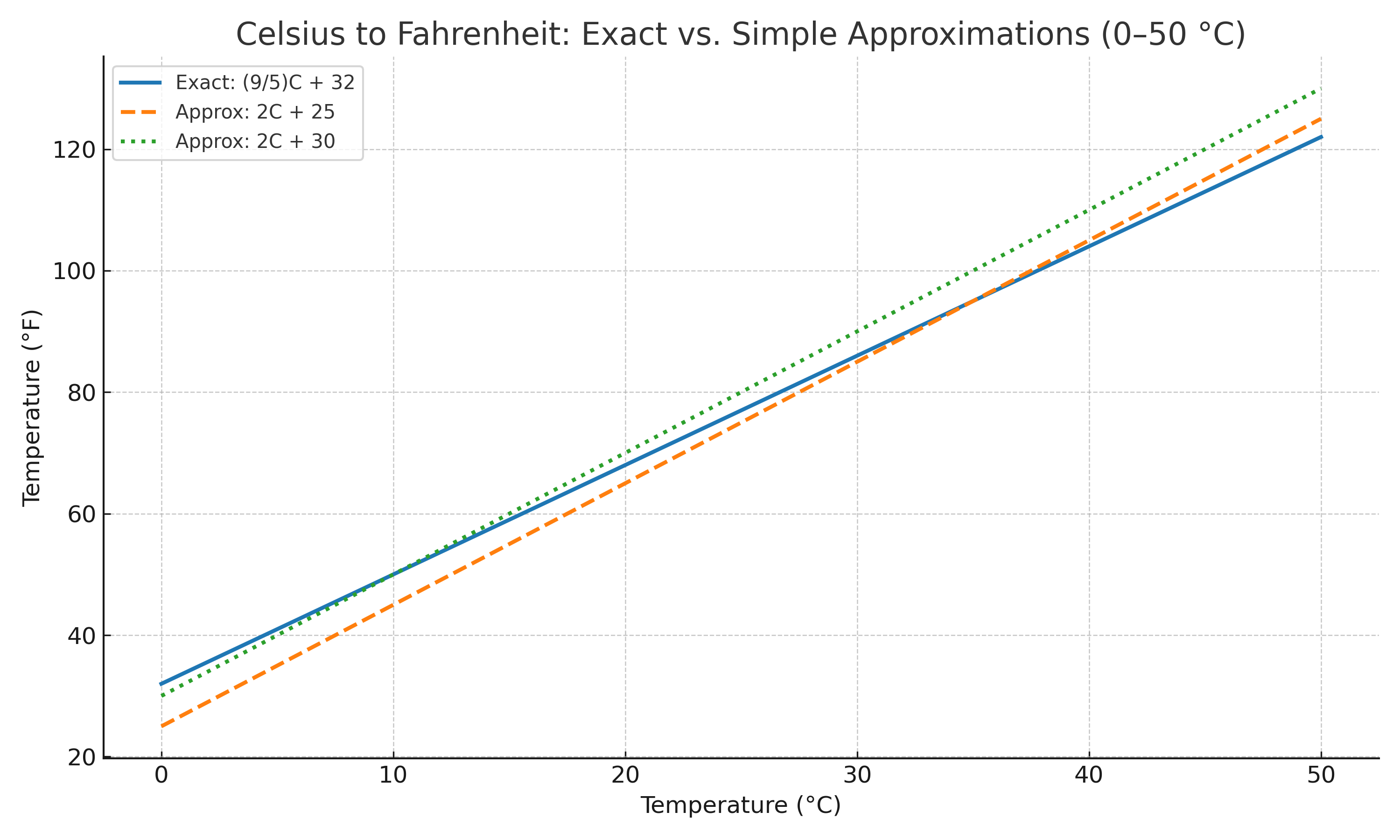
If you’ve ever wondered, “Is 25 degrees fahrenheit cold in celsius fahren?” the answer depends on conditions and individual tolerance—similar to how a “normal” body temperature can differ from person to person. Below, we’ll explore healthy temperature ranges for babies, children, adults, and older adults, along with what counts as a fever and when to seek medical care.
Average temperatures ranges
Your body’s ability to regulate temperature gradually shifts as you age.
Adults older than 64 often find it harder to adapt quickly to sudden temperature changes compared with younger individuals. In general, older adults have more difficulty conserving heat, which may lead to slightly lower baseline body temperatures.
For infants and young children, the average rectal temperature ranges from 97.9°F to 100.2°F (36.6°C to 37.9°C). Rectal measurement remains the primary recommended method until age 3 because it provides the most reliable reading in this group. According to a review of studies and older research, average adult temperatures fall within the following ranges:
| Age | Oral | Rectal/Ear | Armpit |
|---|---|---|---|
| Adults | 96–98°F(35.6–36.7°C) | 97–99°F(36.1–37.2°C) | 95–97°F(35–36.1°C) |
| Adults over age 65 | 93–98.6°F(33.9–37°C) | 94–99.6°F(34.4–37.6°C) | 92–97.6°F(33.3–36.4°C) |
Knowing your personal baseline makes it easier to recognize a fever. Keep in mind that average body temperature varies among individuals. Your typical reading may be up to 1°F (0.6°C) higher or lower than these general guidelines.
How to take your temperature
There are four primary ways to measure body temperature, and results can differ slightly between methods.
The table below outlines which method is recommended for different age groups:
| Age | Rectal | Temporal (forehead) | Oral | Tympanic (ear) |
|---|---|---|---|---|
| Under 3 months | X | |||
| 3–6 months | X | X | ||
| 6 months–3 years | X | X | X | |
| 4 years–teens | X | X | X | |
| Adults | X | X | X | |
| Older adults | X | X | X |
Although axillary (underarm) readings are sometimes used, they are generally less accurate and not routinely recommended when precise measurement is needed.
What factors can affect your temperature?
In the 19th century, German physician Carl Wunderlich established 98.6°F (37°C) as the standard average body temperature. Since then, research has shown that this number does not apply universally.
A 2019 study reported an average temperature of 97.86°F (36.59°C), slightly lower than historical estimates. Even so, no single measurement defines what’s normal for everyone.
It’s more helpful to think in terms of a healthy range rather than a fixed number—just as understanding 25 degrees Celsius requires context about environment and exposure. Body temperature naturally shifts throughout the day and in response to internal and external influences.

Common factors that can affect body temperature include:
- time of day (temperatures are often lower in the morning and higher in the evening)
- older age
- level and frequency of physical activity
- environmental conditions and weather
- measurement method and body location
- hormone levels
- being overweight
What temperature is considered a fever?
A thermometer reading that exceeds your usual range may indicate a fever.
Fever is defined as a temperature of 100.9°F (38.3°C) or higher. As discussed earlier, the precise threshold can vary depending on age and measurement method.
In many cases, a temperature that rises 2°F (1.1°C) above your personal baseline is considered a fever, even if it does not reach the general cutoff.
Fever symptoms
Fever often occurs alongside other symptoms such as sweating, chills, headache, muscle aches, and general fatigue.
The body relies on a built-in temperature control system. When infection or illness is present, this system raises the body’s temperature to help fight harmful pathogens. In many situations, rest and hydration are enough for the fever to resolve naturally.
Given adequate time and supportive care, body temperature typically returns to normal without medical intervention.
When should I call my doctor if I have a fever?
Although fevers frequently improve on their own, medical attention is important if you experience a fever along with any of the following:
- difficulty breathing or loss of consciousness
- intense or worsening pain
- skin rash
- swelling
- painful urination
- persistent cough
- confusion or unusual drowsiness
- unexplained bleeding or bruising
- ongoing diarrhea, vomiting, or both
- headache accompanied by a stiff neck
- feeling significantly unwell
- fever lasting more than 2 days
For children, contact a doctor if:
- your infant is under 3 months old and has a fever
- your child ages 3 months to 3 years has a temperature of 102°F (38.9°C)
- your child is over 3 years old and has a temperature of 103°F (39.4°C)
- your child’s temperature exceeds 104°F (40°C)
- your child shivers for more than 30 minutes, cannot move an arm or leg normally, appears dehydrated, has pain with urination, or looks very ill
Learn more: Fever in babies.
Frequently asked questions
Is 98.6 a regular temperature?
98.6°F (37°C) is widely recognized as a standard normal temperature, but individual baselines may be slightly lower or higher.
Is 96.8 an average temp?
A reading of 96.8°F (36°C) can be within the normal range for some individuals. Most people fall between approximately 97°F (36°C) and 99°F (37°C), though minor variations are common.
Is low temperature a kind of fever?
An abnormally low body temperature is known as hypothermia. This serious medical condition occurs when the body loses heat faster than it can produce it. In adults, a temperature below 95°F (35°C) signals hypothermia.
While many people link hypothermia to prolonged exposure to cold outdoor conditions—such as environments closer to 25°F (-3.9°C)—it can also develop indoors. Babies and older adults are particularly vulnerable. In infants, a temperature of 97°F (36.1°C) or lower may indicate hypothermia, and in adults it may also signal severe sepsis in adults.

Takeaway
Although 98.6°F (37°C) is often cited as the standard normal body temperature, healthy readings vary by age, environment, and individual physiology. The method used to measure temperature can also influence results.
Most fevers resolve with rest and supportive care, but medical attention is necessary if temperatures rise too high, persist, or are accompanied by concerning symptoms.
It’s equally important to recognize dangerously low temperatures, as hypothermia can be life threatening and requires immediate treatment.
If you need assistance locating a primary care doctor, then check out our FindCare tool here.




















Leave a Reply
You must be logged in to post a comment.