

General anesthesia can cause a few mild aftereffects, such as nausea or lingering grogginess. While these reactions are usually temporary, many patients understandably worry about anesthesia long-term side effects and how the medications used during surgery might affect their health over time.

When is general anesthesia used, and is it safe?
General anesthesia is considered very safe for the vast majority of people. Even individuals with significant underlying medical conditions typically tolerate it well without serious complications. Modern anesthetic techniques, continuous monitoring, and individualized dosing have greatly improved safety outcomes.
That said, as with any medication or medical procedure, side effects can occur. Understanding the potential short-term reactions and the possibility of anesthesia long-term side effects can help you feel more prepared and confident before surgery.
What short-term side effects are possible?
Most effects linked to general anesthesia appear shortly after surgery and are temporary. After your procedure is complete and the anesthetic medications are discontinued, you’ll gradually regain consciousness in the operating or recovery room. It’s common to feel sleepy, sluggish, or slightly disoriented at first.
In addition to grogginess, you might experience some of the following common side effects:
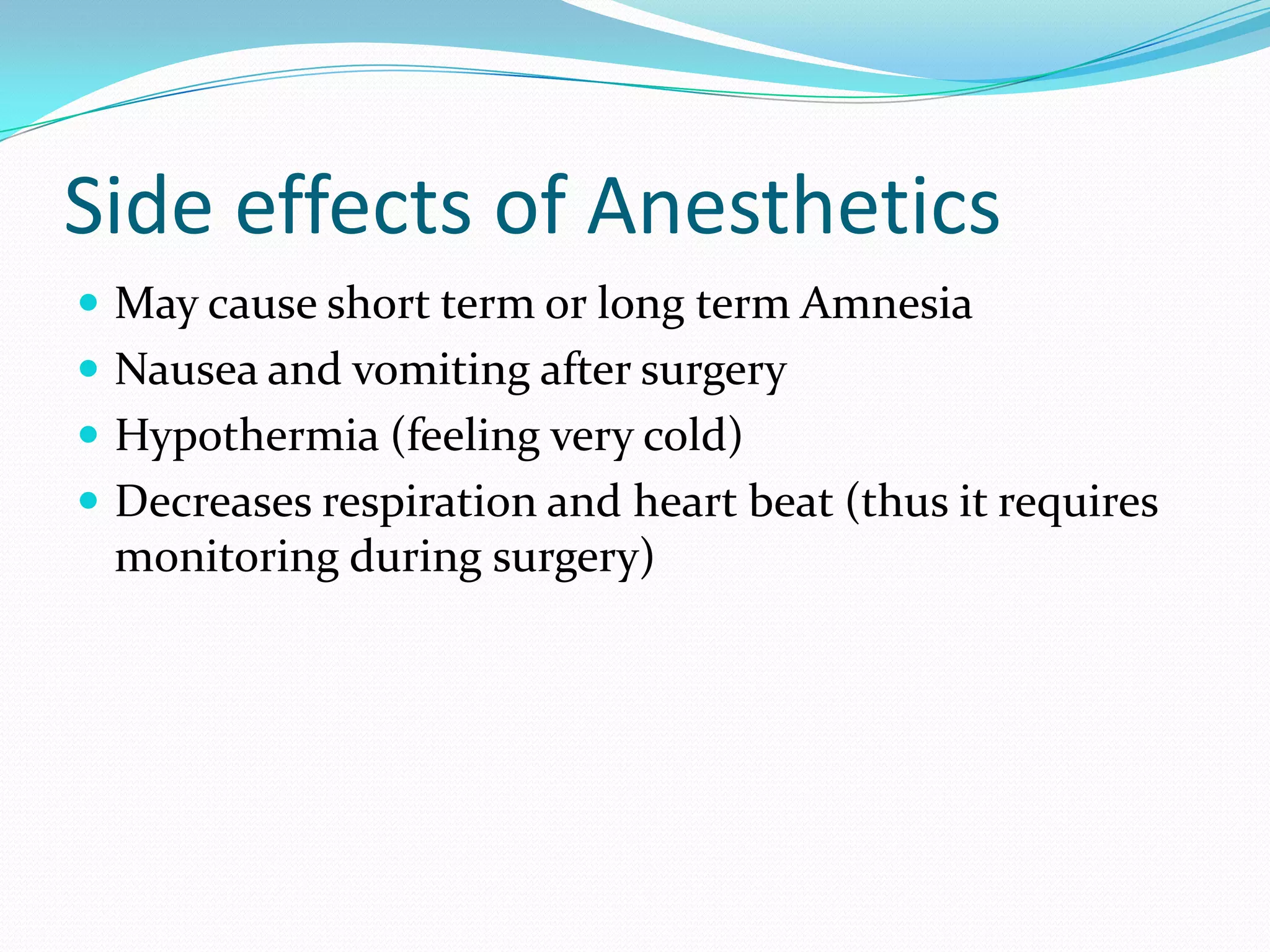
- Nausea and vomiting. This common side effect often develops soon after surgery, though some individuals may feel queasy for a day or two. Anti-nausea medications are frequently given to reduce this risk and ease symptoms.
- Dry mouth. Feeling thirsty or having a dry mouth upon waking is typical. If you are not too nauseated, taking small sips of water can usually relieve this discomfort.
- Sore throat or hoarseness. A breathing tube placed in your throat during surgery can leave your throat irritated once it’s removed, resulting in temporary soreness or voice changes.
- Chills and shivering. It’s common for body temperature to drop during general anesthesia. Although your medical team carefully monitors and manages your temperature, you may still wake up feeling cold or shaky. These chills may last anywhere from a few minutes to several hours.
- Confusion and fuzzy thinking. Immediately after waking, you may feel mentally foggy or have difficulty focusing. This usually lasts only a few hours. However, in some people — especially older adults — confusion can persist for several days or even weeks.
- Muscle aches. Medications used to relax your muscles during surgery may lead to soreness afterward, similar to the feeling after intense exercise.
- Itching. If narcotic (opioid) medications are administered during or after surgery, itching may occur. This is a common side effect associated with this class of drugs.
- Bladder problems. You might have temporary difficulty urinating for a short time following general anesthesia.
- Dizziness. Feeling lightheaded when standing up is not unusual. Staying well hydrated can help reduce this symptom.
Many patients also wonder about recovery timelines and whether symptoms could persist. If you’re concerned about lingering effects, you may want to read more about how long does anesthesia affect the body? to better understand the typical course of recovery.
What long-term side effects are possible?
Most individuals do not develop lasting problems from general anesthesia. However, older adults are more likely to experience symptoms that extend beyond a few days. Discussions about anesthesia long-term side effects often focus on cognitive changes after surgery.
These may include:
- Postoperative delirium. Some patients experience confusion, disorientation, or memory difficulties after surgery. Symptoms may fluctuate throughout the day but typically resolve within about a week.
- Postoperative cognitive dysfunction (POCD). A small number of people report ongoing memory challenges or other forms of cognitive impairment after surgery. Current evidence suggests this condition is more closely related to the stress of surgery itself rather than the anesthetic medications alone.
According to some research suggests, individuals over age 60 may have a higher likelihood of developing POCD.
Your risk may also increase if you have:
- had a stroke
- heart disease
- lung disease
- Alzheimer’s disease
- Parkinson’s disease
It’s important to note that persistent complications are uncommon. For those who are worried about whether anesthetic drugs can remain in the body for an extended period, you can explore this topic further in Can anesthesia stay in your system for months, which discusses how these medications are metabolized and eliminated.
What increases your risk for side effects?
Overall, general anesthesia has a strong safety record. In many cases, the surgical procedure itself carries more risk than the anesthesia. Still, older adults and individuals undergoing lengthy or complex operations face a greater chance of side effects and complications.
If you have any of the following conditions, inform your doctor in advance, as they can influence your surgical and recovery experience:
- history of adverse reactions to anesthesia
- sleep apnea
- seizures
- obesity
- high blood pressure
- diabetes
- heart disease
- lung disease
- kidney disease
- drug allergies
You should also tell your doctor if you:
- smoke
- use alcohol heavily
- take blood-thinning medications
Providing a complete and honest medical history allows your anesthesiologist to tailor medications and monitoring strategies to minimize both short-term reactions and potential anesthesia long-term side effects.
Is it possible to wake up during surgery?
In extremely rare cases, a person may become aware during surgery. Some specialists estimate that about 1 out of every 1,000 people briefly regain consciousness but remain unable to move or speak. Other estimates suggest it is even less common, occurring as infrequently as 1 out of 15,000 or 1 out of 23,000.
When operative awareness does occur, pain is usually not felt. However, the experience can be emotionally distressing and, in rare instances, may contribute to long-term psychological effects similar to post-traumatic stress disorder.
If you believe you experienced awareness under general anesthesia, speaking with a therapist or counselor may help you process the event and reduce lingering anxiety.
Why is general anesthesia used over other methods?
If you’re undergoing surgery, you likely prefer not to be conscious of the procedure. Depending on the operation, this can be achieved using different types of anesthesia.
Your doctor will likely recommend general anesthesia if your surgery is expected to:
- last a long time
- involve significant blood loss
- affect your breathing
General anesthesia places you in a controlled, medically induced unconscious state. Medications are administered so you remain unaware, immobile, and free of pain throughout the operation.
Other procedures may instead use:
- local anesthetic, such as when receiving stitches in your hand
- sedation, such as during a colonoscopy
- a regional anesthetic, such as an epidural during childbirth
As part of your surgical planning, your doctor will review the most appropriate option for you and address any concerns about safety, recovery, and anesthesia long-term side effects.
The bottom line
Open communication with your healthcare providers is essential. Your anesthesiologist can effectively manage your care and address side effects, but only if you provide accurate and complete information.
Before your procedure, discuss your expectations and concerns with both your surgeon and anesthesiologist. Be sure to review your:
- previous experiences with anesthesia
- current health conditions
- medications you take
- recreational drug use
Carefully follow all pre-surgery instructions, including guidance on eating, drinking, and medication adjustments. Adhering to these recommendations can significantly reduce the likelihood of complications and help limit both immediate reactions and potential anesthesia long-term side effects, supporting a smoother and safer recovery.





















Leave a Reply
You must be logged in to post a comment.