

Eggs are widely recognized as a protein and nutrient powerhouse. They’re naturally low in calories, incredibly versatile in recipes, and can be prepared in many different ways to suit your preferences. While eggs do contain cholesterol, research shows this is not harmful for most healthy individuals.
Many people search for details about 1 boiled egg calories, and protein to understand how this simple food fits into a balanced diet. A hard-boiled egg is an easy, portion-controlled option that delivers high-quality protein along with essential vitamins and minerals. Whether sliced over salads or enjoyed with a sprinkle of salt and pepper, hard-boiled eggs are both convenient and satisfying.
Below, you’ll find a complete guide to hard-boiled eggs, including their nutrition profile, health benefits, and how they compare to other cooking methods.
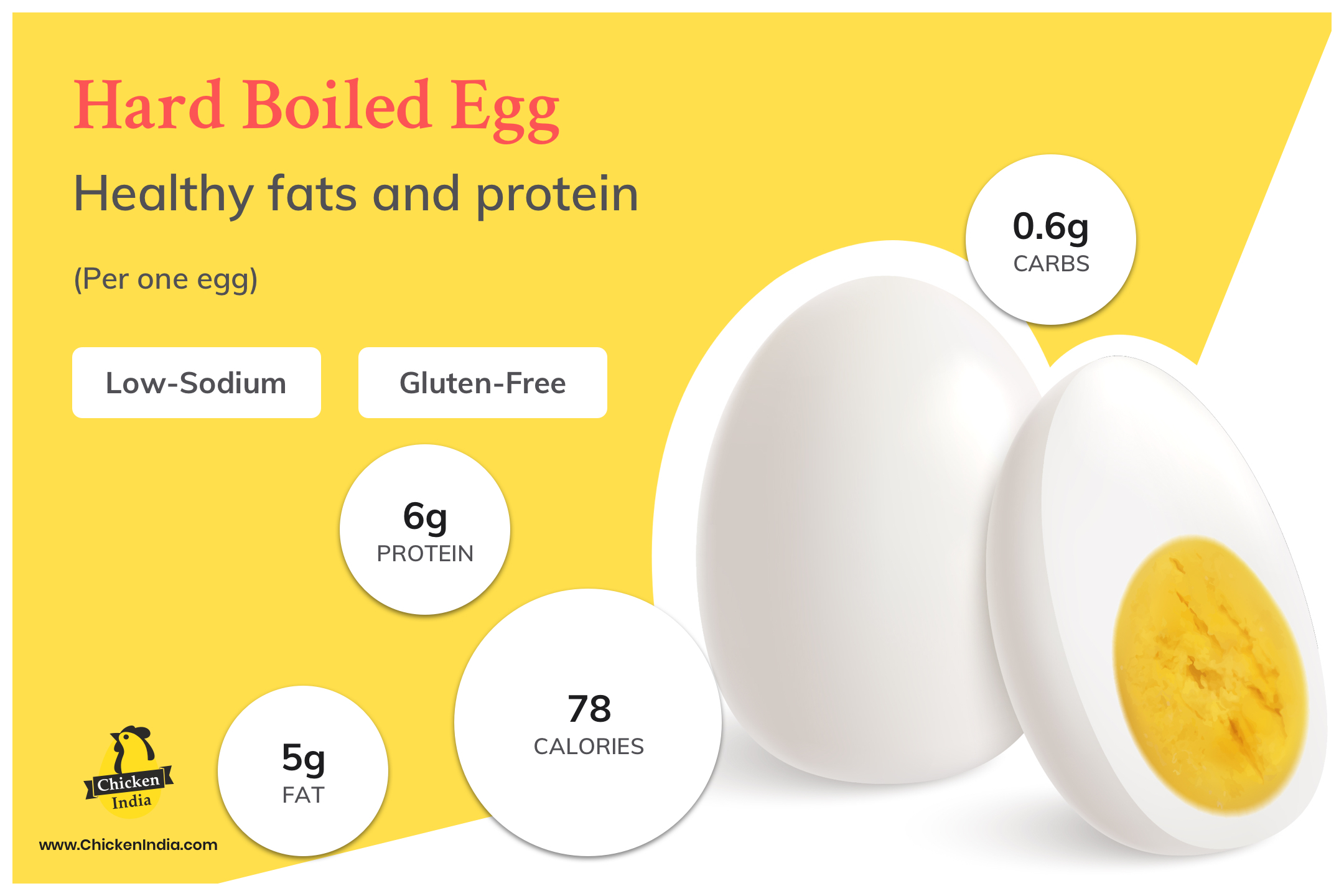
Nutrition Facts
Hard-boiled eggs are packed with vital nutrients, protein, and healthy fats. One large hard-boiled egg (50 grams) provides:
- Calories: 77.5 kcal
- Carbs: .56 g
- Total fat: 5.3 g
- Saturated fat: 1.64 g
- Monounsaturated fat: 2.04 g
- Cholesterol: 186 mg
- Protein: 6.3 g
- Vitamin A: 74.5 mcg RAE
- Vitamin B2 (riboflavin): 0.257 mg
- Vitamin B12 (cobalamin): 0.555 µg
- Vitamin B5 (pantothenic acid): 0.7 mg
- Phosphorus: 86 mg
- Selenium: 15.4 µg
Considering the wide array of nutrients they contain, eggs are relatively low in calories. If you’re tracking 1 boiled egg calories, and protein, you’ll find that a single egg supplies only 77.5 calories, 5.3 grams of fat, and minimal carbohydrates.

They are also an excellent source of lean, complete protein, offering just over 6 grams per egg. Eggs contain all nine essential amino acids, making them a complete protein source that supports muscle repair, immune function, and overall metabolic health.
In addition, hard-boiled eggs deliver key micronutrients such as vitamin D, zinc, calcium, and the full spectrum of B vitamins. They are especially rich in riboflavin (vitamin B2) and vitamin B12, both crucial for energy production and red blood cell formation.
It’s important to note that most of an egg’s vitamins, minerals, and healthy fats are concentrated in the yolk, while the egg white consists primarily protein. Eating the whole egg ensures you benefit from its complete nutrient profile.
SummaryHard-boiled eggs are low in calories and abundant in essential vitamins, minerals, and nutrients. The yolk contains most of the vitamins, minerals, and fats, while the white is largely pure protein.
An Excellent Source of High-Quality Protein
Protein plays a central role in nearly every aspect of health, from building muscle and maintaining bone density to producing hormones and enzymes. Eggs provide approximately 6 grams of high-quality protein per serving, making them one of the most efficient protein sources available.
Their complete amino acid profile is what sets them apart. Eggs supply all nine essential amino acids that the body cannot produce on its own.
A common myth is that protein exists only in the egg white. In reality, nearly half of an egg’s total protein content comes from the yolk.
To maximize the benefits of 1 boiled egg calories, and protein, it’s best to consume both the yolk and the white. This ensures you receive the full protein content along with the essential nutrients housed in the yolk.
Including hard-boiled eggs in meals may also promote satiety, helping you feel fuller for longer. This can support healthy weight management when combined with a balanced diet rich in fiber, fruits, vegetables, and whole grains.
SummaryEggs provide complete, high-quality protein containing all nine essential amino acids. Both the white and the yolk contribute meaningful amounts of protein.
High in Cholesterol but Don’t Increase Heart Disease Risk
Eggs were once criticized due to their cholesterol content. It is true that one large hard-boiled egg contains 186 mg of cholesterol. However, modern research indicates that dietary cholesterol has minimal impact on blood cholesterol levels for most individuals, and the Dietary Guidelines no longer specify a daily cholesterol limit.
For the majority of healthy people, dietary cholesterol is not associated with increased heart disease risk and does not significantly raise total cholesterol or “bad” LDL cholesterol.
Some studies even suggest that egg intake may improve levels of “good” HDL cholesterol, which helps transport cholesterol away from arteries.
As with most foods, moderation and overall dietary pattern matter. Individuals with diabetes should consult a healthcare provider for personalized advice, as more research is needed regarding egg consumption and heart disease risk in this group.
SummaryAlthough eggs contain cholesterol, current evidence shows that dietary cholesterol does not negatively affect blood cholesterol in most people and may even improve HDL levels.
Promote Brain and Eye Health
Eggs deliver essential nutrients and antioxidants that play important roles in supporting both brain and eye health throughout life.
Choline
Choline is an essential nutrient involved in many critical bodily processes. While the body can produce small amounts, most choline must come from dietary sources.
Unfortunately, many people do not meet their daily choline needs.
Choline is vital for nervous system function because it is required to produce acetylcholine, a neurotransmitter involved in memory and learning. Adequate intake supports cognitive development in infants and helps preserve brain function as we age.
During pregnancy, sufficient choline intake may lower the risk of neural tube defects and support fetal brain development.
The yolk is particularly rich in choline. One large hard-boiled egg provides 147 mg of choline, or 27% of the Daily Value. Eggs are among the most concentrated dietary sources of choline available.
Lutein and Zeaxanthin
Lutein and zeaxanthin are powerful antioxidants recognized for their protective effects on eye health. They help neutralize harmful free radicals generated by oxidative stress.
Research suggests that lutein and zeaxanthin may slow cataract development and reduce the risk of age-related macular degeneration (AMD).
These carotenoids may also shield the eyes from damage caused by blue light exposure. Because egg yolks contain fat, the body efficiently absorbs lutein and zeaxanthin from eggs.
Eggs also contain small amounts of iron. If you’re curious about mineral content, you can explore Do hard-boiled eggs have iron and how this nutrient contributes to oxygen transport and overall vitality. Additionally, understanding Do hard boiled eggs have iron absorption can help clarify how well the body utilizes iron from eggs compared to other sources.
SummaryEgg yolks provide choline for brain function and lutein and zeaxanthin for eye protection, making them a valuable addition to a nutrient-dense diet.
Hard-Boiled vs Fried
Hard-boiled eggs are prepared by placing eggs in cold water and boiling them until the yolk becomes firm. This cooking method does not require added butter or oil. In contrast, frying eggs typically involves supplemental fat, increasing overall calorie and fat content.
For instance, one large hard-boiled egg contains 77 calories and 5.3 grams of fat, whereas one large fried egg contains 90 calories and 6.8 grams of fat.
Aside from differences in added fat and calories, both cooking methods provide similar amounts of protein, vitamins, and minerals. If you are monitoring calorie intake or focusing on 1 boiled egg calories, and protein for weight management or fitness goals, hard-boiled eggs are often the more practical option.
SummaryHard-boiled eggs are cooked without added fats, making them lower in calories than fried eggs, though both offer similar micronutrient profiles.
Takeaway
Hard-boiled eggs are a low-calorie, nutrient-dense choice that can easily fit into most healthy eating patterns. They supply high-quality protein, B vitamins, selenium (28% DV), vitamin A (8% DV), and antioxidants such as choline, lutein, and zeaxanthin.
Despite their cholesterol content, eggs do not appear to raise heart disease risk in most individuals. Because they are prepared without added oils or butter, hard-boiled eggs contain fewer calories and less fat than fried varieties.
When evaluating 1 boiled egg calories, and protein, it’s clear that this simple food delivers impressive nutritional value in a compact serving. Easy to prepare, portable, and versatile, hard-boiled eggs can be a practical and nourishing addition to your daily diet.





















Leave a Reply
You must be logged in to post a comment.