

The time it takes for insulin to begin working depends on the specific type of insulin, the brand prescribed, the injection site, and various individual factors. For individuals managing diabetes, understanding How long does it take for sugar to leave your blood system with diabetes is closely tied to how insulin functions and how efficiently the body processes glucose.

Because each person’s body responds differently, insulin may not act the same way in you as it does in someone else. The formulation you use, your metabolism, activity level, and even circulation can influence how quickly insulin lowers blood glucose and how long it remains active.
Keep reading to better understand how insulin works, what affects its absorption, and what this means for blood sugar control in diabetes management.
How insulin works in the body
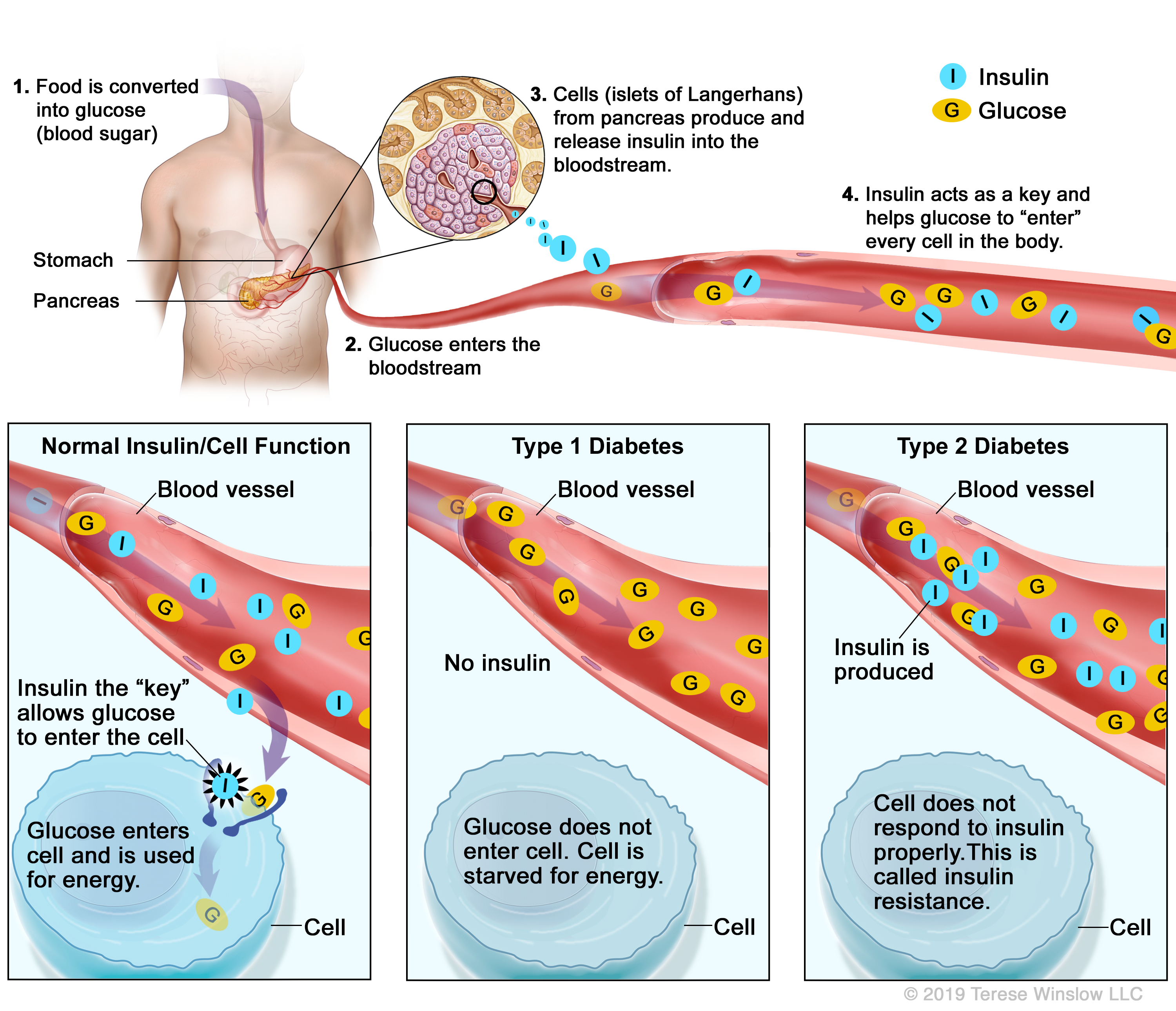
Insulin is a hormone naturally produced by the pancreas. Inside the pancreas are millions of beta cells, which are responsible for producing and releasing insulin.
When you consume carbohydrates, these beta cells release insulin so that other cells can absorb the blood glucose derived from food and use it for energy. In simple terms, insulin acts like a key, unlocking cells so glucose can enter.
If you’re curious about the early phase of glucose absorption, you may also want to read How long does it take sugar to enter your bloodstream, which explains how rapidly carbohydrates can affect blood sugar levels.
How insulin works without diabetes
In people without diabetes, insulin is released automatically after digestion.
Once insulin is present, it signals cells to absorb glucose and convert it into energy. The responsiveness of cells to insulin is known as insulin sensitivity, which plays a major role in maintaining stable blood sugar levels.
What happens to insulin when you have diabetes?
If you have diabetes, your body either does not produce insulin, does not make enough insulin, or becomes resistant to it. As a result, glucose cannot efficiently enter the body’s cells.
This reduced ability to move glucose from the bloodstream into cells leads to elevated blood sugar levels (hyperglycemia).
Blood glucose may rise after eating, but it can also increase between meals because the liver releases stored glucose while you sleep or fast.
To manage these fluctuations and address the question of How long does it take for sugar to leave your blood system with diabetes, many people use insulin injections or inhaled insulin to help regulate their levels. The speed at which sugar leaves the bloodstream depends on the type of insulin used, dosage, insulin sensitivity, and lifestyle factors such as exercise and diet.
Characteristics of insulin
Insulin is available in suspension form and comes in various strengths. In the United States, the standard concentration is U-100, meaning it contains 100 units of insulin per milliliter of liquid.
Although insulin strength can differ, its performance is defined by three main features: onset, peak time, and duration.
- Onset describes how long it takes for insulin to begin lowering blood sugar.
- Peak time refers to when insulin reaches its maximum effectiveness in reducing blood glucose.
- Duration indicates how long insulin continues to lower blood sugar levels.
These characteristics directly influence how quickly glucose levels drop and therefore impact how long elevated sugar remains in the bloodstream.
Types of insulin
Insulin is a protein, and when injected into the fatty tissue beneath the skin, it is absorbed into the bloodstream. It is not available as a pill because digestive enzymes would break it down, rendering it ineffective.

Several insulin types are available for people with diabetes. Always review the prescribing information for your specific brand to understand exact timing and dosing instructions.
Rapid-acting insulin
Rapid-acting insulin begins working soon after injection and is typically administered just before meals. The exact timing varies by brand.
According to the Centers for Disease Control and Prevention (CDC), it generally takes effect:
- Onset: 15 minutes
- Peak: 1 hour
- Duration: 2–4 hours
Examples of rapid-acting insulin include:
- lispro (Humalog)
- aspart (Novolog)
- glulisine (Apidra)
According to research in 2020, for people with type 1 diabetes, lispro (Humalog) typically took effect 31 minutes after injection with a duration between 5.7 to 6.6 hours.
For people with type 2 diabetes, it typically took effect after 45 minutes and lasted about 6.7 hours. The peak time for lispro (Humalog) is about 30 to 90 minutes.
Because rapid-acting insulin works quickly, it is often central when people ask How long does it take for sugar to leave your blood system with diabetes, especially after meals.
Regular-acting insulin
Also known as short-acting insulin, this type is usually taken 30 to 60 minutes before eating. The CDC reports it generally takes effect:
- Onset: 30 minutes
- Peak: 2–3 hours
- Duration: 3–6 hours
Examples of short-acting insulin include:
- regular human insulin
- Novolin R
- Humulin R
Intermediate-acting insulin
This insulin type is often used to provide coverage overnight or for roughly half a day and may be combined with rapid- or short-acting insulin. Intermediate-acting insulin tends to take effect:
- Onset: 2–4 hours
- Peak: 4–12 hours
- Duration: 12–18 hours
- Time to peak plasma: 6–10 hours
Examples include Novolin N and Humulin N.
Long-acting insulin
Long-acting insulin is designed to deliver steady insulin levels over an entire day without a pronounced peak.
Generally, long-acting insulin takes effect:
- Onset: 2 hours
- Peak: None
- Duration: Up to 24 hours
Examples include glargine (Lantus) and detemir (Levemir).
Ultra long-acting insulin
Ultra long-acting insulin provides extended glucose control for even longer durations and also does not have a significant peak.
In general, ultra long-acting insulin takes effect:
- Onset: 6 hours
- Peak: None
- Duration: 36 hours or longer
Examples include glargine U300 (IGlar 300) and insulin degludec (IDeg 100 and IDeg 200).
Inhaled insulin
Introduced in 2015, inhaled insulin is a fast-acting option typically used just before meals.
It generally takes effect:
- Onset: 15 minutes
- Peak: 30 minutes
- Duration: 3 hours
Factors that affect the absorption of insulin
Researchers have observed that insulin does not always follow textbook timing. Its absorption and action can vary widely between individuals.
Understanding these variables is essential when evaluating How long does it take for sugar to leave your blood system with diabetes, since insulin timing directly influences blood glucose reduction.
Site of injection
Common injection areas include the upper arm, upper leg, and abdomen.
According to the American Diabetes Association (ADA), the abdomen generally allows for the fastest and most consistent absorption. The upper leg tends to absorb insulin more slowly.
Concentration of insulin
Higher insulin concentrations can increase the speed of diffusion and absorption. While U-100 is most common, other available concentrations include:
- U-500
- Humalog U-200
- Glargine U-300 (Toujeo)
- Detemir U-200 (Tresiba)
- insulin lispro aabc U-200 (Lyumjev)
- U-40, which is no longer manufactured
Frequency of injection site use
Insulin is injected into the layer of fatty tissue beneath the skin. Repeatedly using the same injection spot may lead to hard lumps or fatty deposits, which can interfere with proper insulin absorption.
This can be especially relevant for individuals requiring multiple daily injections. Rotating injection sites helps maintain consistent absorption and more predictable blood glucose control.
If you are looking for practical strategies to support glucose reduction, you can explore How to get sugar out of your system immediately for additional evidence-based guidance.
Physical factors
Anything that increases blood flow may accelerate insulin absorption. These may include:
- exercise
- saunas
- hot baths
- massaging the injection site
- heat exposure
Smoking, on the other hand, can reduce insulin absorption.
Because insulin action varies from person to person, it’s important to recognize how your daily habits, activity level, and injection technique influence blood sugar control. Monitoring your glucose regularly and working closely with a healthcare professional can help you better understand how your body responds and how quickly sugar levels normalize after treatment.






















Leave a Reply
You must be logged in to post a comment.