
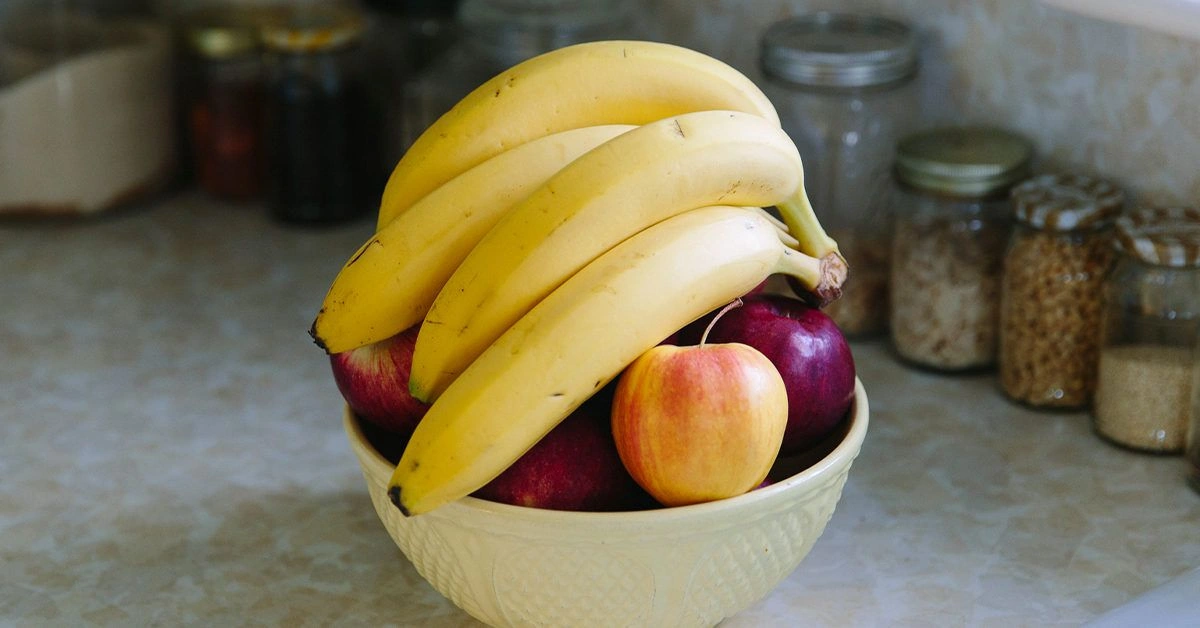
Bananas consistently rank among the most popular pre-workout snacks.
They’re convenient to carry, naturally sweet, and packed with carbohydrates that are easy on the digestive system.
In addition, they’re loaded with key nutrients and may provide extra advantages for exercise performance thanks to their potassium content.
If you’ve ever wondered, How long does it take to get energy from a banana, the answer largely depends on how your body digests and converts its carbohydrates into usable fuel. Like other carb-rich fruits, bananas can begin supplying energy relatively quickly, making them a practical choice before physical activity.
This article explores whether eating a banana before your next workout is a smart strategy and how it may influence your energy levels and endurance.

High in carbs
Like most fruits, bananas provide a substantial amount of carbohydrates, offering around 27 grams of carbs in 1 medium banana (1).
Carbohydrates are broken down into glucose (sugar) or converted into glucose, which serves as a primary fuel source for the body. If you’re asking, How long does it take to get energy from a banana, it helps to understand that glucose enters the bloodstream and can be used by your cells relatively quickly, especially when eaten shortly before activity.
Eating carbs boosts glycogen stores, the storage form of glucose found in the muscles and liver that is tapped for energy during many types of exercise (2).
Consuming carbohydrates before physical activity can be particularly helpful for longer workouts, such as cycling or running, because it may delay how soon your body needs to rely heavily on its glycogen reserves and can enhance overall performance (3).
In one study involving 11 participants, taking in carbs 15 minutes prior to running improved endurance and extended time to exhaustion by nearly 13% (4).
Because bananas are relatively high in carbohydrates, they may not be the best pre-workout option for individuals following a low carb or ketogenic diet.
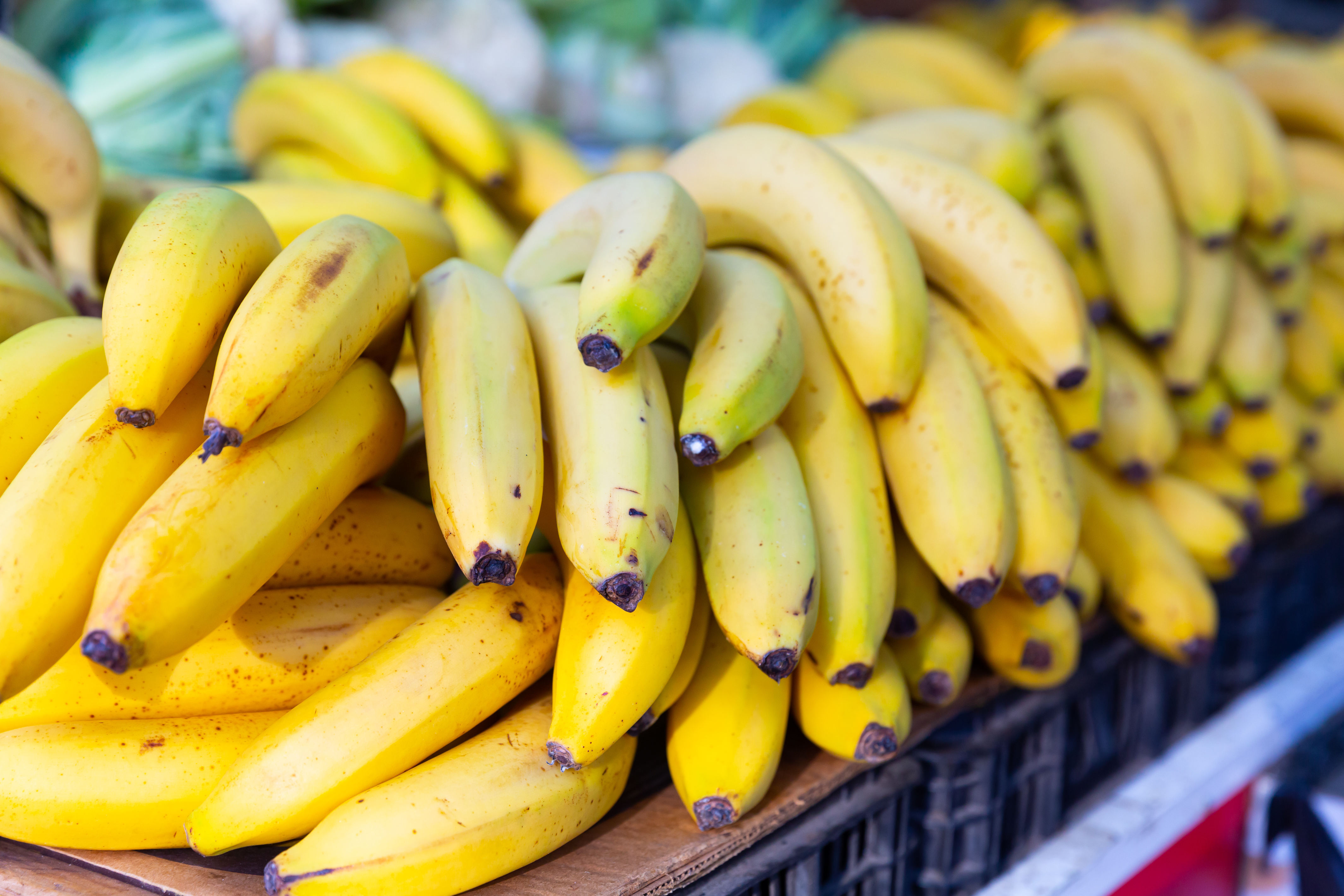
SummaryBananas contain a significant amount of carbohydrates, which can raise glycogen stores and fuel your body before exercise.
Easily digestible energy source
Beyond providing a solid dose of carbs per serving, bananas also contain fiber.
Fiber slows the absorption of sugar into the bloodstream, delivering a more gradual release of glucose so your cells receive a steady energy supply during your workout (5, 6).
Ripe bananas are particularly rich in simple carbs and naturally low in fat, which makes them easier to digest than many other snack options (1).
They’re often recommended for people dealing with digestive concerns such as nausea, vomiting, or diarrhea (7, 8), highlighting how gentle they are on the stomach.
If you’re curious about how banana energy compares with other quick sources of carbohydrates, you may also be interested in reading How long does it take for sugar to give you energy or Does sugar give you instant energy. While refined sugar may act rapidly, bananas provide a combination of natural sugars and fiber for more sustained support.
So, How long does it take to get energy from a banana in practical terms? Many people notice an energy lift within 15–30 minutes, especially when eaten on an empty stomach before moderate to intense activity. Because they digest smoothly and don’t typically cause gastrointestinal discomfort, bananas are a dependable pre-workout snack for many individuals.

summaryBananas supply fiber, which helps regulate sugar absorption in the bloodstream. They’re also high in simple carbs and low in fat, making them easy for most people to digest.
Rich in potassium
Bananas are an excellent source of potassium, delivering about 10–14% of the recommended daily value in a single medium fruit (1, 9).
Potassium is a vital mineral involved in regulating blood pressure, supporting nerve function, and maintaining proper fluid balance (10).
It also plays a key role in muscle health and muscle contractions (9).
Low potassium levels can contribute to muscle cramps, which present as sudden, painful muscle contractions (11).
Because potassium is lost through sweat, individuals who exercise regularly need to consume adequate potassium-rich foods and beverages to restore electrolyte balance (12, 13).
In a study of 230 women, those who experienced muscle cramps tended to have lower potassium intakes (14).
Eating a banana before exercising can therefore help you meet your potassium needs, support proper muscle contraction, and potentially reduce the likelihood of cramps during or after your workout.
SummaryBananas are high in potassium, a crucial mineral that supports muscle contractions. Low potassium levels may increase the risk of muscle cramps.
The bottom line
Bananas are packed with essential nutrients like carbohydrates and potassium, both of which are important for exercise performance and muscle function.
They digest easily and can moderate the release of sugar into the bloodstream, making them a reliable snack before your next training session.
If you’re still asking, How long does it take to get energy from a banana, most people can expect a noticeable boost within about 15–30 minutes, depending on individual metabolism and workout intensity.
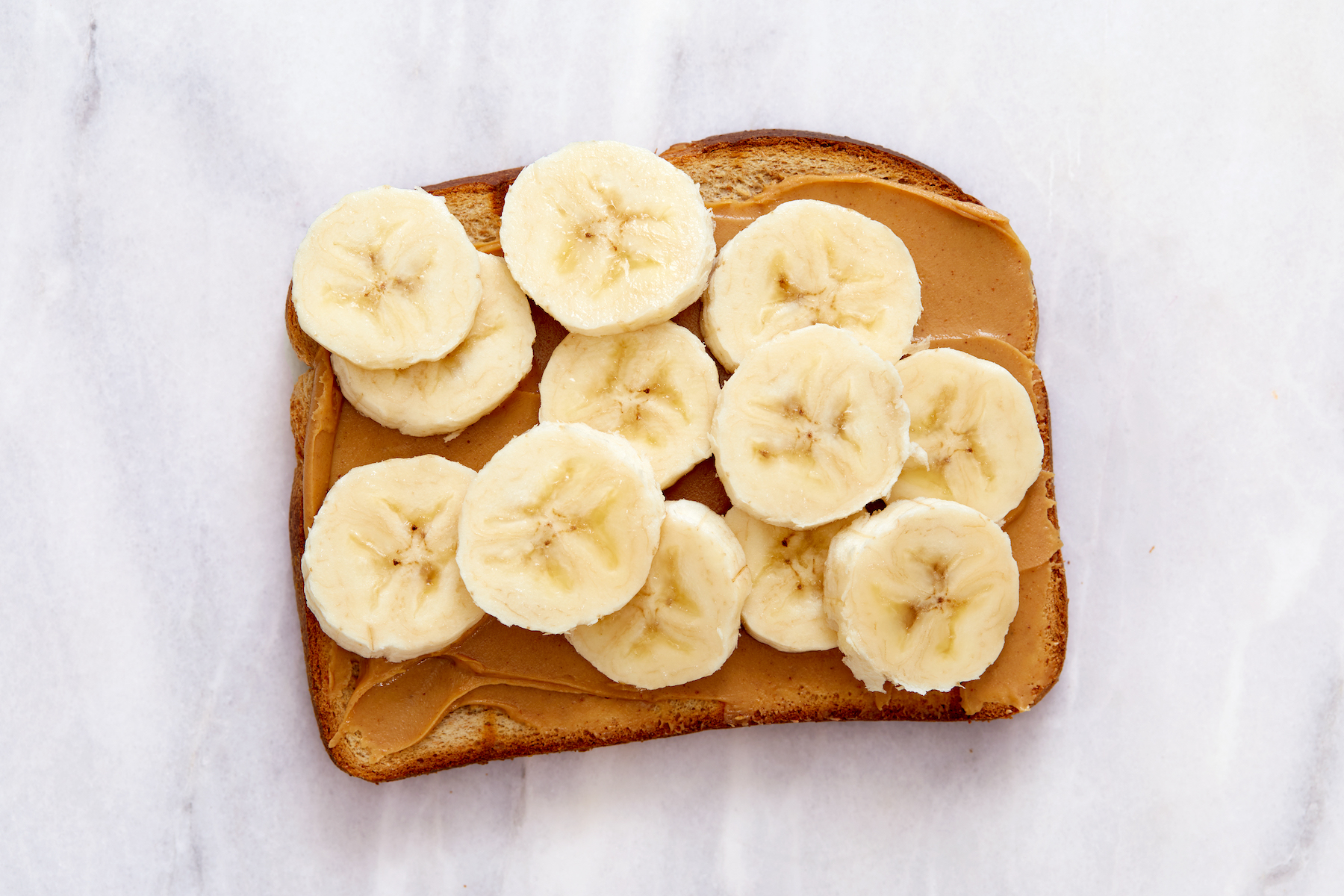
Enjoy a banana on its own, or pair it with a protein source such as yogurt or peanut butter to create a balanced, satisfying pre-workout snack that supports sustained energy and recovery.




















Leave a Reply
You must be logged in to post a comment.