
Sarcopenia can develop as a natural part of aging or alongside certain medical conditions. However, it’s possible to slow, manage, and even partially reverse this process by adjusting your nutrition and engaging in targeted physical activity. When discussing Supplements for weak legs in elderly, it’s important to understand that nutrition and exercise work together to support muscle strength and mobility.
Sarcopenia refers to age-related muscle loss, characterized by a greater decline in muscle mass and strength than typically expected with normal aging. This reduction in strength often contributes to weak legs in older adults, balance problems, and a higher risk of falls.
Taking proactive steps—such as improving dietary habits, considering appropriate supplementation, and maintaining consistent physical activity—can help reduce the impact of sarcopenia and protect overall quality of life.
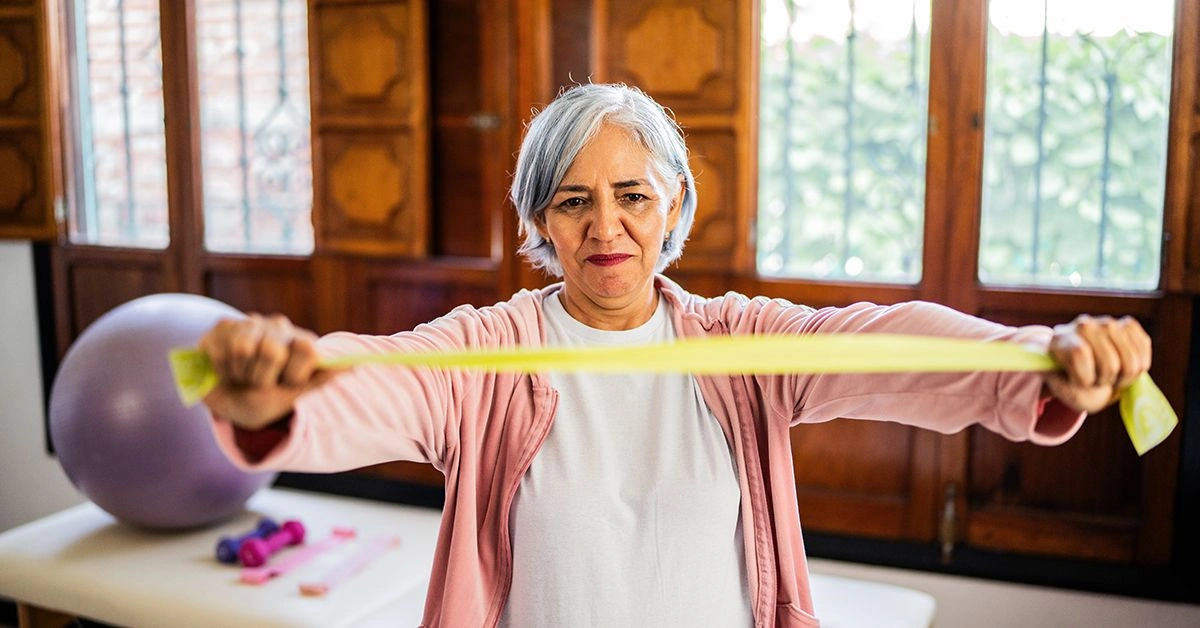
Nutritious eating patterns combined with regular exercise can help counteract sarcopenia, potentially improving longevity and daily functioning. Resistance-based movements like sit-ups, push-ups, and exercises with resistance bands are especially helpful in addressing age-related muscle decline.
Why does sarcopenia develop?
Sarcopenia literally translates to “lack of flesh.” It describes age-associated muscle degeneration that becomes more common in individuals aged 50 years and older.
Although aging remains the most common cause of sarcopenia, additional contributing factors are closely linked to lifestyle and health status—many of which can be addressed to help manage or reduce progression.
These contributing factors and practical strategies include:
- levels of physical activity
- dietary patterns and nutrient intake
- inflammation or physiological stress within the body
While each factor can independently influence muscle health, some research suggests that combining resistance training, optimized nutrition, and other therapeutic approaches offers the greatest benefit in preventing and managing sarcopenia.
Learn more about sarcopenia, its symptoms and causes, and how healthcare professionals diagnose this condition.
Lack of physical activity
Muscle disuse is one of the leading contributors to sarcopenia. When muscles are not regularly engaged, muscle loss can accelerate, resulting in progressive weakness—particularly in the legs.
This may occur after extended bed rest or immobilization following injury or illness. It can also develop gradually in individuals who lead a sedentary lifestyle with limited daily movement.
Reduced activity often creates a cycle: declining muscle strength increases fatigue, which then makes returning to regular movement more challenging.
A balanced exercise program that includes aerobic activity, resistance training, and balance exercises can prevent and even reverse muscle loss. Engaging in physical activity at least 2 to 4 times per week may be beneficial for older adults experiencing weak legs.
The following exercise categories are particularly important:
1. Resistance Training
Resistance training is one of the most effective strategies to build muscle mass and limit further decline.
This form of exercise may involve lifting weights, working with resistance bands, or performing bodyweight movements against gravity.
When muscles contract against resistance, they generate signals that promote muscle fiber growth and enhance strength. Resistance training also stimulates growth-promoting hormones that support muscle repair and development.
Examples include leg presses, knee extensions on a weight machine, squats, and step-ups—movements that specifically target leg strength in older adults.
2. Fitness Training
Activities that elevate heart rate over sustained periods—such as aerobic exercise and endurance training—can also contribute to managing sarcopenia.
Much of the research examining aerobic exercise for sarcopenia includes resistance and flexibility exercises within a comprehensive program. These combined approaches have been consistently shown to help prevent and reverse muscle loss. However, it remains less clear whether aerobic exercise alone, without resistance components, offers the same level of benefit.
3. Walking
Walking is a simple yet effective activity that can help reduce muscle decline and improve circulation. It is accessible, low cost, and adaptable to most fitness levels, making it ideal for older adults concerned about weak legs.
Beyond muscle health, regular physical activity supports cardiovascular health, metabolic function, and emotional well-being.
Food choices
Diets that lack adequate calories and protein can contribute to unintended weight loss and reduced muscle mass. In older adults, insufficient nutrient intake is a common driver of weakness in the lower extremities.
Changes in taste perception, dental issues, gum problems, and difficulty swallowing can make eating more challenging with age. Additionally, shopping for and preparing balanced meals may become more difficult.
Deficiencies in calories, protein, or essential vitamins and minerals may place you at higher risk of muscle loss.
A 2023 research review examining dietary patterns associated with sarcopenia referenced earlier findings suggesting that blending aspects of the Mediterranean and DASH diets may provide a nutrient-dense approach that supports muscle mass and functional strength as people age.
For individuals exploring Supplements for weak legs in elderly, consulting a healthcare professional or registered dietitian can help ensure that specific nutrient needs are addressed safely and effectively.

The following nutrients play key roles in preserving muscle health:
- Protein: Adequate protein intake helps promote muscle mass and strength. Research indicates that consuming 25 to 30 grams of protein per meal may help prevent sarcopenia. The amino acid leucine is particularly important in regulating muscle growth. Rich sources include whey protein, meat, fish, eggs, and soy protein isolate. Older adults may benefit from reviewing resources like Vitamins for tired legs to better understand supportive nutrients.
- Vitamin D: Supplementing with vitamin D can increase muscle strength and reduce fall risk. Not all studies show uniform results, possibly because some participants already had sufficient vitamin D levels.
- Omega-3 Fatty Acids: Intake of omega-3 fatty acids from seafood or supplements may increase muscle growth at any age. Some evidence suggests that combining a daily fish oil supplement with resistance training may enhance muscle strength more than resistance training alone.
- Creatine: This small protein is naturally produced in the liver. Although the body synthesizes creatine, consuming it through meat or supplementation may further support muscle development. However, despite its advantages, research indicates creatine is likely not beneficial for sarcopenia if taken without exercise.
Because fatigue and low mood can also reduce physical activity, addressing broader nutritional concerns—such as those discussed in Vitamins for tiredness and depression—may indirectly support muscle health by improving overall energy levels.
These 26 food options may help increase muscle mass and enhance muscle strength.
Inflammation and stress
Following injury or illness, inflammation triggers the breakdown and rebuilding of damaged cells as part of the healing process.
However, chronic or long-term diseases can lead to persistent inflammation, disrupting the balance between muscle breakdown and repair and contributing to muscle loss.
Medical conditions may also increase physiological stress, which can play a role in the development of sarcopenia.
Conditions associated with systemic inflammation that may affect muscle mass include:
- chronic obstructive pulmonary disease (COPD)
- diabetes
- rheumatoid arthritis
- inflammatory bowel diseases like Crohn’s disease or ulcerative colitis
- lupus
- vasculitis
- severe burns
- chronic infections like tuberculosis
Other medical conditions that increase stress on the body and may contribute to sarcopenia include:
- chronic liver disease
- heart failure
- chronic kidney disease
- cancer and related cancer care
Understanding how stress affects the body may help you take practical steps to manage it and protect your muscle health.
The takeaway
Sarcopenia—the progressive loss of muscle mass and strength—becomes increasingly common with age and may reduce both lifespan and overall quality of life. Weak legs in older adults are often a visible sign of this process.
Maintaining an active lifestyle remains one of the most effective strategies for preventing and addressing sarcopenia. Even straightforward activities such as walking can help limit muscle decline. Resistance exercises, including resistance bands, weightlifting, squats, push-ups, and sit-ups, are especially beneficial for rebuilding strength.
Consuming sufficient calories and high-quality protein is equally important. For those researching Supplements for weak legs in elderly, options such as omega-3 fatty acids, vitamin D, creatine, and adequate protein intake may provide additional support—particularly when combined with regular resistance training and medical guidance.




















Leave a Reply
You must be logged in to post a comment.