

Common mental health conditions include bipolar disorder, major depressive disorder, and social anxiety disorder. The appropriate treatment approach depends on the severity of symptoms and may involve medication, psychotherapy, or a combination of both.
:max_bytes(150000):strip_icc()/182929492-56a794363df78cf77297519c.jpg)
What is mental health?
Mental health describes your emotional and psychological well-being. When your mental health is strong, it supports a fulfilling and productive life. It enables you to build resilience, manage stress effectively, and cope with everyday challenges and unexpected hardships.
A variety of influences can shape your mental health, including significant life experiences, family history, and genetic predisposition.
There are numerous practical strategies that can help you build and maintain positive mental health. These include:
- maintaining an optimistic outlook
- engaging in regular physical activity
- supporting and helping others
- getting sufficient sleep
- following a nutritious, balanced diet
- seeking professional mental health support when necessary
- spending time with people you enjoy
- developing and applying effective coping skills to manage difficulties
What is mental illness?
A mental illness is a broad term that covers a wide range of conditions affecting how a person thinks, feels, or behaves. These disorders can interfere with daily functioning, relationships, and work or school performance. Mental illnesses may develop due to several contributing factors, including:
- genetics
- environmental influences
- daily habits and lifestyle patterns
- biological factors
Mental health statistics
Mental health conditions are widespread in the United States. Approximately one in five American adults experiences at least one mental illness each year. Similarly, around one in five adolescents ages 13 to 18 will experience a mental health disorder at some point.
Although these conditions are common, their severity differs. Roughly one in 25 adults lives with a serious mental illness (SMI) annually. An SMI can substantially impair a person’s ability to perform everyday tasks. Prevalence rates vary across populations.
According to the National Institute of Mental Health, women are more likely than men to experience SMI. Individuals between 18 and 25 years old are at the highest risk. People with a mixed-race background are also statistically more likely to experience SMI compared to other ethnic groups.
Mental health disorders
The Diagnostic and Statistical Manual of Mental Disorders, Fifth Edition (DSM-5) provides clinicians with standardized criteria to diagnose mental illnesses. While nearly 300 conditions are listed in DSM-5, many people searching for What are the 7 types of mental disorders are typically looking for the most common categories seen in clinical practice.
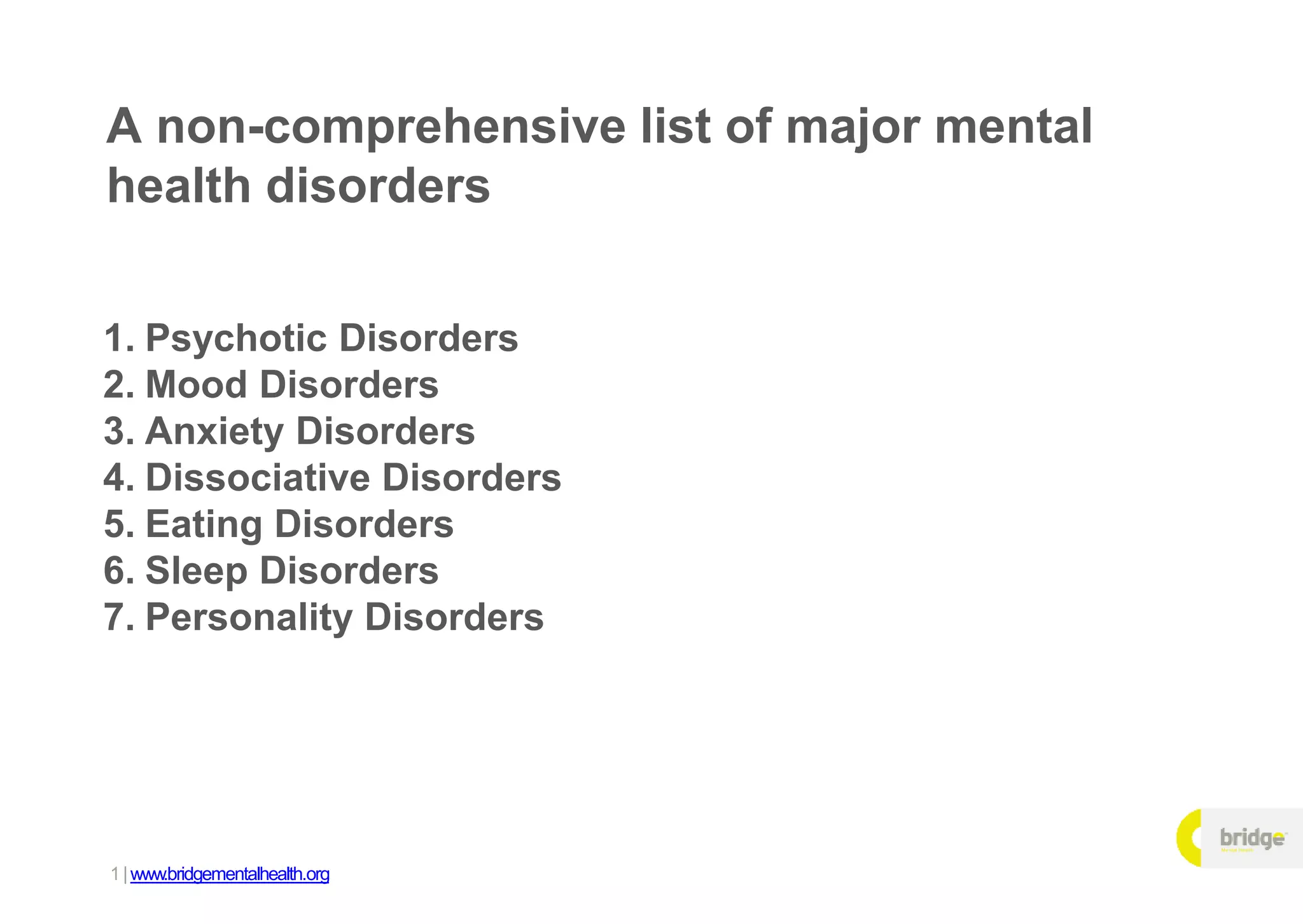
Below are some of the most frequently diagnosed mental health disorders in the United States:
Bipolar disorder
Bipolar disorder is a chronic mental illness affecting about 2.6 percent of Americans each year. It involves cycles of elevated, manic episodes and periods of deep depression.
These mood shifts can significantly impact energy, judgment, and daily functioning. Unlike ordinary mood fluctuations, the highs and lows associated with bipolar disorder are intense and may require long-term management.
Persistent depressive disorder
Persistent depressive disorder is a long-lasting form of depression, also called dysthymia. Although symptoms may be less severe than major depression, they persist for at least two years and can disrupt everyday life.
About 1.5 percent of American adults experience dysthymia annually.
Generalized anxiety disorder
Generalized anxiety disorder (GAD) extends beyond occasional nervousness. It involves excessive, ongoing worry about various aspects of life, even when there is minimal reason for concern.
Individuals with GAD often struggle to control their anxiety, which may interfere with daily tasks and responsibilities. GAD affects about 3 percent of Americans each year.
Major depressive disorder
Major depressive disorder (MDD), also referred to as clinical depression, causes persistent feelings of sadness or hopelessness lasting at least two weeks.
People with MDD may lose interest in activities, experience changes in sleep and appetite, and in severe cases, have thoughts of suicide. Approximately 7 percent of Americans have at least one major depressive episode each year.
Obsessive-compulsive disorder
Obsessive-compulsive disorder (OCD) involves intrusive, repetitive thoughts (obsessions) and behaviors (compulsions) performed to relieve anxiety.
Even though many individuals recognize that their thoughts or rituals are unreasonable, they often feel unable to stop them. More than 2 percent of Americans are diagnosed with OCD at some point in their lives.
Post-traumatic stress disorder (PTSD)
Post-traumatic stress disorder (PTSD) can develop after experiencing or witnessing a traumatic event such as war, natural disasters, or abuse.
Symptoms may include flashbacks, nightmares, and heightened startle responses. An estimated 3.5 percent of American adults experience PTSD.
Schizophrenia
Schizophrenia affects how a person perceives reality and relates to others. It is a severe mental illness that requires ongoing treatment.
Symptoms may include hallucinations, delusions, and disorganized thinking. Without treatment, these symptoms can become dangerous. About 1 percent of Americans are affected by schizophrenia.
Social anxiety disorder
Social anxiety disorder, also known as social phobia, involves an intense fear of social interactions. Individuals may worry excessively about being judged or embarrassed.
This fear can limit participation in social events and hinder relationship building. Approximately 15 million adults in the United States experience social anxiety each year.
Coping with mental illnesses
Symptoms of mental illness often intensify if left untreated. Seeking professional help is essential if you or someone close to you may be struggling.
If you’re unsure where to begin, consult your primary care physician. They can conduct an initial evaluation and refer you to a psychiatrist or licensed therapist.
It’s important to remember that living with a diagnosis does not prevent you from leading a meaningful life. Many people ask, Can I live a normal life with mental illness? With proper treatment, support, and self-care, the answer is often yes. Working with a mental health team can help you build practical coping strategies and long-term stability.
Mental health symptoms
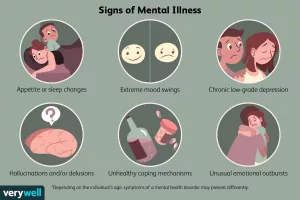
Each disorder has its own diagnostic criteria, but many share overlapping symptoms.
Common warning signs may include:
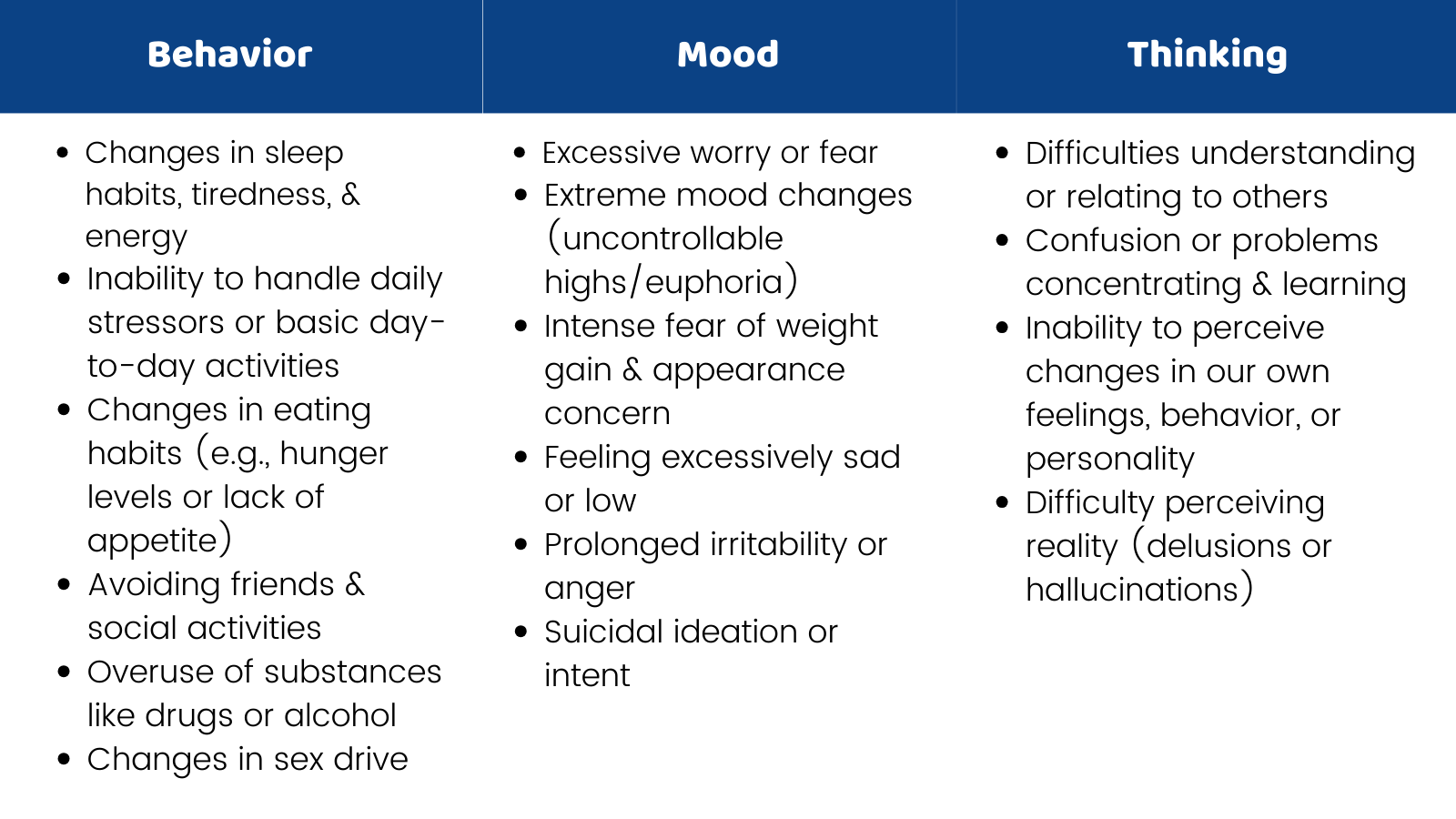
- changes in appetite, including overeating or undereating
- sleep disturbances, such as insomnia or excessive sleeping
- withdrawing from loved ones or favorite activities
- persistent fatigue
- feelings of numbness or reduced empathy
- unexplained physical aches or pains
- hopelessness or helplessness
- increased use of tobacco, alcohol, or illicit drugs
- confusion, irritability, sadness, fear, or anxiety
- conflict with family and friends
- extreme mood fluctuations
- recurrent intrusive thoughts or flashbacks
- hearing voices
- thoughts of self-harm or harming others
- difficulty completing daily responsibilities
High stress or emotional trauma can trigger symptom flare-ups, sometimes referred to as a nervous or mental breakdown.
Mental health diagnosis
Diagnosing a mental health disorder typically involves several steps. A healthcare provider may begin with a physical examination to rule out medical conditions contributing to symptoms.
Laboratory testing may be ordered to identify underlying causes. Patients often complete a mental health questionnaire and may undergo a psychological evaluation.
Because symptoms vary widely, a definitive diagnosis may require multiple appointments. In some cases, clinicians may reference a Severe mental illness list to determine whether symptoms align with criteria for SMI.
Mental health treatment
Treatment plans are individualized and focus on symptom reduction, identifying root causes, and improving daily functioning.
A combination approach is often most effective. Common treatments include:
Medications
The four primary categories of medications used in mental health care are antidepressants, anti-anxiety medications, antipsychotic medications, and mood-stabilizing medications.
The appropriate medication depends on your diagnosis, symptoms, and overall health. Adjustments in dosage or medication type may be necessary before finding the most effective option.
Psychotherapy
Talk therapy allows individuals to explore thoughts and emotions with a trained mental health professional. Therapists provide guidance, coping tools, and structured techniques to manage symptoms and improve behavior patterns.
Hospital and residential treatment
Some individuals benefit from short-term inpatient or residential programs that offer intensive monitoring and therapy. Outpatient day programs are also available for structured support without overnight stays.
Lifestyle treatments and home remedies
Complementary approaches can support medical care. These include adhering to prescribed treatments, avoiding alcohol and drugs, maintaining a balanced diet, and incorporating omega-3 fatty acids found in certain high-fat fish.
Mental health therapy
The term therapy encompasses various forms of talk therapy used to treat panic disorders, anxiety, depression, anger issues, bipolar disorder, and post-traumatic stress disorder.
Therapy sessions focus on identifying harmful thought patterns and replacing them with healthier alternatives. Approaches vary, but many therapists emphasize present challenges and practical coping solutions.
Mental health first aid
Mental Health First Aid is a national education program designed to teach participants how to recognize warning signs and risk factors for mental illness.
Through role-playing and scenario-based training, participants learn how to assist someone in crisis and guide them toward professional and self-help resources.
Mental health exercises
Physical activity benefits both body and mind. Activities like walking, swimming, dancing, and jogging improve cardiovascular health while also reducing symptoms of depression and anxiety.
Mental exercises can also promote emotional well-being, including:
- Striking a power pose. Using power poses may temporarily reduce social anxiety.
- Listening to calming music. A 2013 study of 60 women found faster stress recovery in those who listened to relaxing music.
- Practicing progressive muscle relaxation. This involves systematically tensing and relaxing muscle groups to relieve tension.
- Trying yoga poses. A 2017 study showed that two minutes of yoga can improve self-esteem and energy levels.
Mental health test
Healthcare providers may use physical exams, lab tests, and structured questionnaires to assess mental health concerns.
While online screenings may offer general insight, they cannot replace an evaluation by a qualified professional.
Mental health recovery
Many people living with mental illness achieve significant improvement with proper care. Some conditions are chronic, but even long-term disorders can often be effectively managed.
Recovery typically involves consistent treatment, self-awareness, and ongoing support. For some individuals, medication may be needed long term, while others may taper off under medical supervision.
Mental health awareness
Mental health is a critical public health issue. Although many recognize symptoms of physical illnesses, signs of anxiety, PTSD, or panic disorders may be overlooked.
Awareness initiatives aim to educate communities about early warning signs and encourage timely intervention. More than 40 million Americans experience a mental illness annually. Understanding that support is available can motivate individuals to seek help.
Mental health in teens
Around 21 percent of American teenagers ages 13 to 18 have experienced a severe mental health disorder, according to NAMI. Half will develop a disorder by age 14.
Depression is particularly prevalent. The National Institute of Mental Health reports that around 13 percent of adolescents ages 12 to 17 experienced at least one major depressive episode in 2017.
The American Academy of Pediatrics now endorses universal depression screening for youth ages 12 to 18.
Signs and symptoms in teens
Mental health symptoms in adolescents may be mistaken for typical teenage moodiness. However, early identification is essential.
Warning signs include:
- low self-esteem
- excessive sleep
- loss of interest in hobbies
- declining academic performance
- weight changes or appetite shifts
- sudden personality changes such as anger or aggression




















Leave a Reply
You must be logged in to post a comment.