

Psychological disorders, often referred to as mental illnesses or mental health conditions, can significantly influence the way a person thinks, feels, and behaves. Reviewing a comprehensive Severe mental illness list can help clarify how these conditions affect emotional well-being, relationships, and everyday functioning.
:max_bytes(150000):strip_icc()/definition-of-mental-illness-4587855-v1-cd7f9f37c61c49099ac8ede282db1e73.png)
Mental health conditions may interfere with cognition, mood, and behavior, sometimes disrupting work, school, and social connections. Some are short-term and linked to specific life events, while others may be chronic and require ongoing care and management.
These conditions are more common than many people realize. The National Alliance on Mental Illness estimates that 1 in 5 adults in the United States experiences a psychological disorder each year. Understanding the scope of a Severe mental illness list can reduce stigma and encourage individuals to seek timely support.
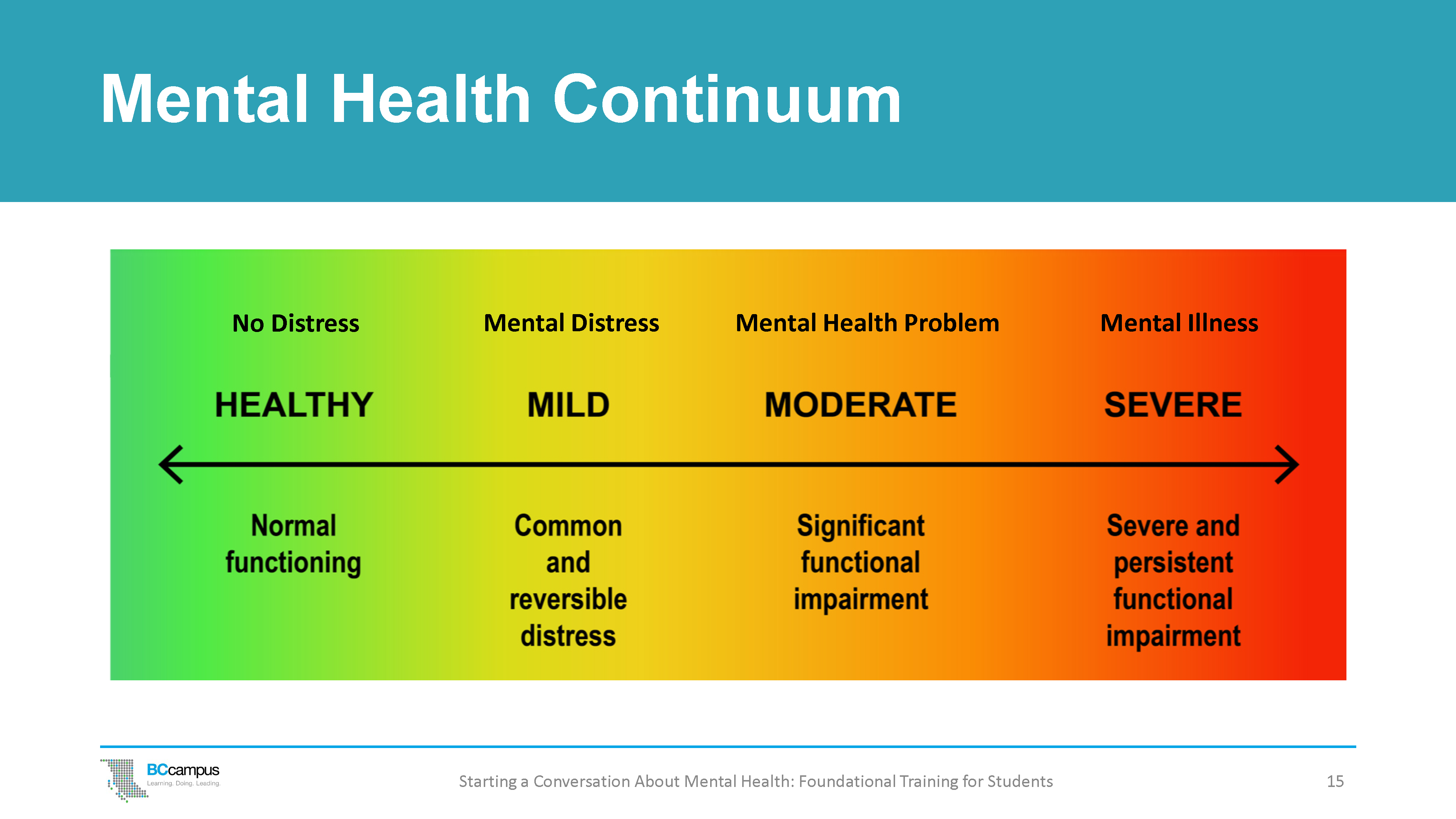
Although living with a psychological disorder can be difficult, many effective treatments are available. Talk therapy, medication, lifestyle adjustments, and structured self-care strategies can all contribute to improved daily functioning and quality of life.
Anxiety disorders
Feeling anxious occasionally is a normal human experience. However, individuals with anxiety disorders experience ongoing, excessive anxiety that disrupts daily responsibilities and relationships. Their level of worry is often disproportionate to the actual situation.
According to the American Psychiatric Association (APA), anxiety disorders are the most common type of neurodevelopmental condition, affecting nearly 30% of adults at some point in their lives. While anyone can develop an anxiety disorder, they occur more frequently in women than in men.
Common types of anxiety disorders include:
- generalized anxiety disorder
- illness anxiety disorder (previously called hypochondria)
- separation anxiety disorder
- social anxiety disorder
- specific phobias
- panic disorder
Symptoms vary depending on the diagnosis, but often involve:
- persistent anxious thoughts or beliefs that are hard to manage
- restlessness or feeling on edge
- difficulty concentrating
- irritability
Talk therapy, particularly cognitive behavioral therapy, is widely regarded as a first-line treatment for anxiety disorders. In some situations, medications such as antidepressants or benzodiazepines may also be prescribed.
Healthy lifestyle practices — including consistent routines, regular physical activity, balanced nutrition, and stress-reduction techniques — can further support symptom management and emotional resilience.
Depressive, bipolar, and other mood disorders
Mood disorders are a key category within any Severe mental illness list because they directly affect emotional stability and overall functioning. These conditions include:
- Depressive disorders such as major depressive disorder, postpartum depression, and major depressive disorder with seasonal patterns, also known as seasonal affective disorder.
- Bipolar disorders
- Premenstrual dysphoric disorder, which involves severe premenstrual syndrome (PMS) symptoms, especially symptoms relating to mood
Symptoms may include:
- depressive symptoms, such as ongoing feelings of sadness, hopelessness, or apathy
- mania symptoms, which occur during manic episodes in bipolar disorder, and include periods of elevated energy, elation, and restlessness
Treatment for mood disorders typically centers on talk therapy. Medications — including antidepressants, antipsychotics, and mood stabilizers — are also commonly used depending on the diagnosis and symptom severity.
In certain cases, alternative interventions such as electroconvulsive therapy, light therapy, or psychedelic-assisted therapy may be considered. With appropriate treatment, many individuals can stabilize their mood and improve their quality of life. Those wondering about long-term outcomes may find it helpful to explore Can I live a normal life with mental illness? for additional perspective.
Schizophrenia and other psychoses
Schizophrenia is a chronic psychiatric disorder that is frequently misunderstood. It affects less than 1% of the U.S. population and involves distortions in thinking and perception, often presenting as delusions or hallucinations.
Early warning signs of schizophrenia may include:
- withdrawing from friends and family
- changing peer groups
- reduced focus and concentration
- sleep disturbances
- irritability or agitation
- declining school or academic performance
- anxiety
- vague suspiciousness
- a sense of feeling different from others
As the condition progresses, symptoms can include:
- hallucinations, meaning hearing, seeing, or feeling things that aren’t present
- delusions, which are fixed, false beliefs such as thinking others are plotting harm
There is no cure for schizophrenia, but it is treatable. Antipsychotic medication is the primary treatment and can reduce hallucinations and delusions.
Psychosocial interventions — including individual therapy, family therapy, and social skills training — are also beneficial. Psychosis itself can occur independently of schizophrenia and may be temporary in some cases.
Symptoms of psychosis may include:
- delusions
- hallucinations
- disorganized or impulsive behavior
- catatonia, where a person appears “frozen”
- a sudden loss of interest in previously valued activities
- a flat tone of voice or reduced facial expression
- neglect of personal grooming
If someone experiencing psychosis poses a risk to themselves or others, rapid tranquilization may be used to quickly calm or sedate them.
After stabilization, antipsychotic medications and various forms of therapy — including individual, group, and family therapy — can help manage ongoing symptoms and support recovery.
Trauma- and stress-related disorders
Trauma- and stress-related disorders are also included in a Severe mental illness list due to their potential impact on functioning and emotional health. Two common examples are obsessive-compulsive disorder (OCD) and post-traumatic stress disorder (PTSD).
The APA estimates that 2% to 3% of people in the United States have OCD.
OCD involves:
- obsessions, which are intrusive, repetitive thoughts that cause distress
- compulsions, which are behaviors or rituals performed to reduce anxiety from obsessions
Exposure and response prevention is considered the gold standard therapy for OCD, though other therapeutic approaches and medications may also be utilized.
PTSD symptoms can include:
- avoiding reminders of the traumatic event
- depression
- difficulty thinking about or recalling parts of the event
- distorted feelings of guilt or blame
- hypervigilance or feeling “on edge”
- flashbacks
- irritability or anger
- nightmares
- panic attacks
- reduced interest in previously enjoyed activities
- being easily startled
PTSD is often treated with cognitive behavioral therapy or exposure therapy. Medications such as antidepressants, anti-anxiety drugs, or sleep aids may also be prescribed to relieve specific symptoms.
Personality disorders
Personality disorders involve enduring patterns of thinking, feeling, and behaving that differ from cultural expectations and cause significant distress or impairment. These patterns are typically long-term and affect multiple areas of life.
Diagnosis requires persistent difficulties in at least two of the following areas:
- self-perception and views of others
- emotional responses
- interpersonal functioning
- behavioral control
The 10 personality disorders in the Diagnostic and Statistical Manual of Mental Disorders, 5th edition, text revision (DSM-5-TR) are:
- antisocial personality disorder
- avoidant personality disorder
- borderline personality disorder
- dependent personality disorder
- histrionic personality disorder
- narcissistic personality disorder
- obsessive-compulsive personality disorder
- paranoid personality disorder
- schizoid personality disorder
- schizotypal personality disorder
Talk therapy remains the cornerstone of treatment, while medications may be prescribed to address related symptoms such as low mood, anxiety, or impulsivity.
Sleep disorders
Sleep disorders disrupt normal sleep patterns, leading to significantly reduced or excessive sleep. Some also involve unusual behaviors during sleep.
Types of sleep disorders include:
- circadian rhythm sleep-wake disorders
- hypersomnolence disorder
- insomnia
- narcolepsy
- nightmare disorder
- non-rapid eye movement sleep arousal, which includes sleepwalking and night terrors
- parasomnia
- rapid eye movement sleep behavior disorder
- restless legs syndrome
- sleep apnea
Treatment options may involve improving sleep hygiene, practicing relaxation techniques, taking prescribed sleep aids, or engaging in talk therapy. A general practitioner is often the first professional consulted, though referral to a sleep specialist or psychiatrist may be recommended.
Eating disorders
Eating disorders influence attitudes and behaviors related to food and body image. According to the APA, they may affect up to 5% of the U.S. population.
Common eating disorders include:
- avoidant/restrictive food intake disorder
- anorexia nervosa
- bulimia nervosa
- binge eating disorder
- pica
- rumination disorder
- other specified feeding and eating disorder
Treatment may consist of individual, family, or group therapy. Medications can help manage co-occurring symptoms, and nutritional counseling supports the development of balanced eating habits and improved physical health.
Substance use disorders
Substance use disorders involve compulsive use of legal or illegal substances despite harmful consequences. The APA classifies substance use disorder as a brain disease.
Initial treatment often includes detoxification, during which substance use is stopped and withdrawal symptoms are medically managed. Ongoing care may involve individual therapy, group counseling, and relapse prevention strategies.
Medications can aid recovery. For example, heroin addiction may be treated with methadone or buprenorphine/naloxone (Suboxone) to reduce withdrawal symptoms.
Care may be delivered in outpatient settings or inpatient residential programs, depending on individual needs and severity.
Where can you learn more and find support?
If you recognize symptoms from this Severe mental illness list, remember that help is available and recovery is possible. Seeking support from a doctor, psychiatrist, or therapist is an important first step.
Educational resources — such as What are the 7 types of mental disorders — can provide additional clarity about diagnostic categories and treatment pathways. Professional guidance can connect you with therapy options, community programs, and support services tailored to your needs.
You do not need a formal diagnosis to benefit from speaking with a mental health professional. Early intervention, consistent care, and a supportive environment can make a meaningful difference in long-term well-being.























Leave a Reply
You must be logged in to post a comment.