
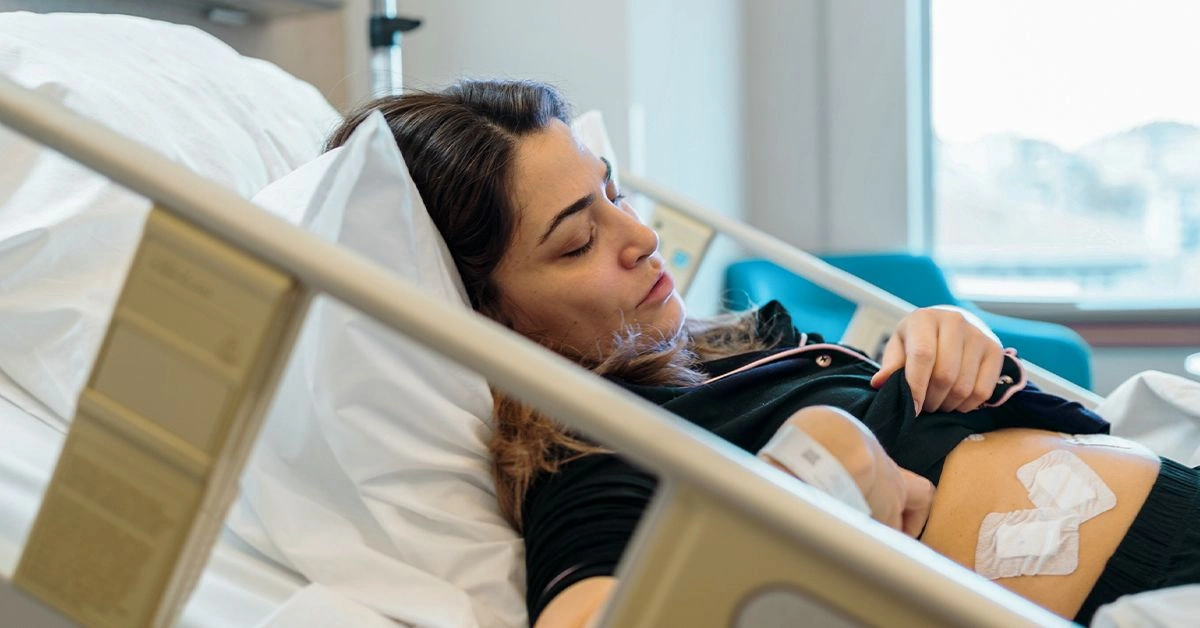
Experiencing Pain in right side 2 years after gallbladder removal can be concerning and may indicate an underlying complication. Sharp or stabbing discomfort long after surgery isn’t something to ignore. Possible explanations include bile leakage, bile duct injury, retained gallstones, or post-cholecystectomy syndrome.
The gallbladder is a small, pear-shaped organ responsible for storing and concentrating bile, a digestive fluid produced by the liver. When problems such as recurrent gallstones arise, doctors may recommend removing the gallbladder in a procedure known as a cholecystectomy.
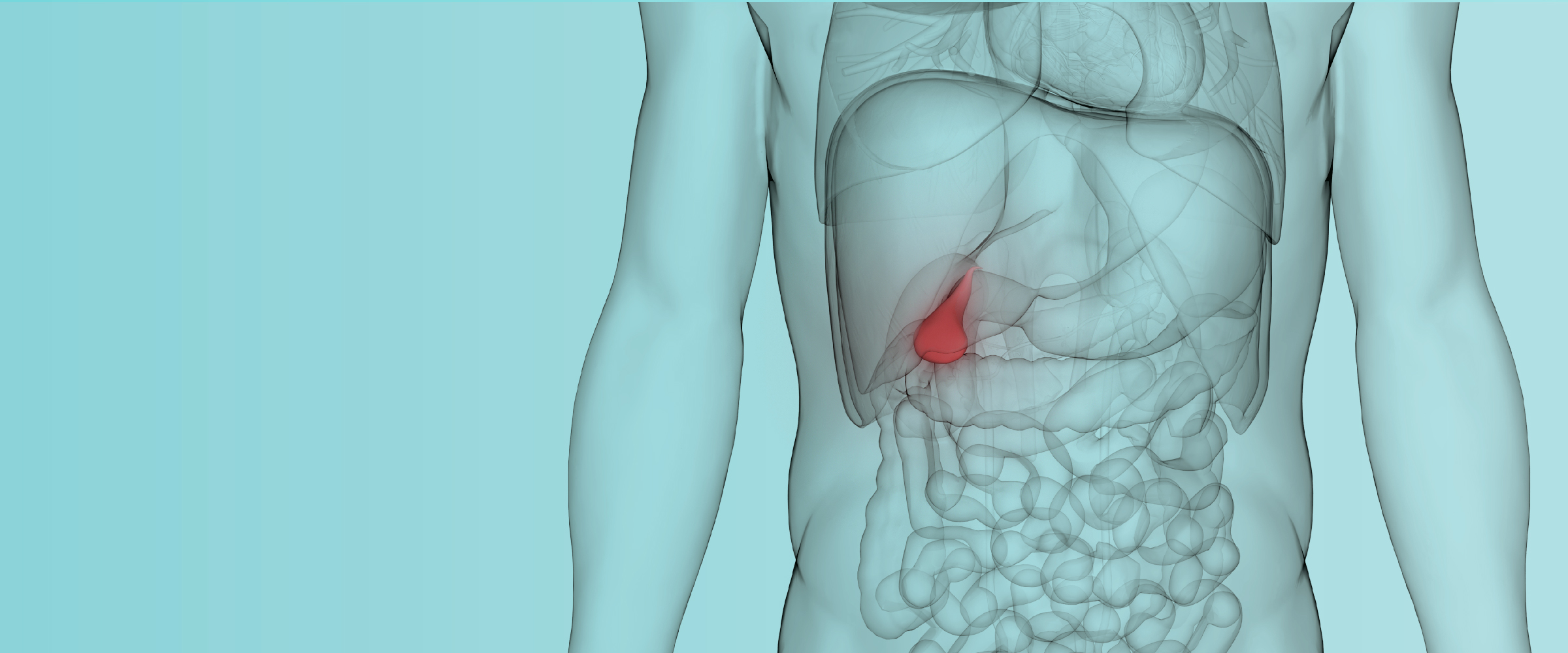
Like all surgical procedures, gallbladder removal carries potential risks. If you’re dealing with persistent or sharp pain long after surgery, you may be wondering why it’s happening and whether it’s serious.
Several conditions can contribute to ongoing or stabbing pain after gallbladder removal. Below, we’ll break down the possible causes, symptoms to watch for, and available treatment options.
Cause of stabbing pain after gallbladder removal
There are multiple reasons why someone might develop Pain in right side 2 years after gallbladder removal or even shortly after the procedure.
Below, we explore each possible cause, how it develops, the symptoms it may trigger, and the treatments that are typically recommended.
Bile duct injuries or leakage
Complications involving the bile ducts are a known cause of sharp abdominal pain after gallbladder removal. These issues can include bile duct injuries or bile leakage.
During surgery, a portion of a bile duct may accidentally be cut, clipped incorrectly, or punctured. When this occurs, bile can leak into the abdominal cavity, leading to irritation and pain.
Surgeons use clips to seal the duct connecting the gallbladder to the main bile duct. If these clips fail to fully block bile flow, leakage into the abdomen may occur.
Bile duct injuries are uncommon, occurring in approximately 0.15% to 0.3% of gallbladder removal surgeries. Despite being rare, they are considered one of the more serious surgical complications.
Symptoms
Signs of bile duct leakage or injury may include:
- upper right quadrant pain or generalized abdominal pain
- nausea or vomiting
- abdominal bloating
- loss of appetite
- fever
- jaundice, a yellowing of the skin or whites of the eyes
Treatment
If detected during surgery, a bile duct injury or leak can sometimes be repaired immediately. However, these complications are identified during the procedure only about 25% to 40% of the time.
More commonly, symptoms appear 2 to 10 days post-surgery, leading to diagnosis afterward.
Treatment typically involves draining accumulated bile through a procedure such as percutaneous transhepatic biliary drainage or performing corrective surgery to repair the affected bile duct.
Gallstones
Gallstones are hardened deposits that develop in the gallbladder. When they obstruct bile ducts, they can cause significant pain and digestive symptoms.
Many individuals undergo gallbladder removal due to recurring gallstones. However, stones can occasionally spill during surgery or remain in the bile ducts afterward.
Research suggests that up to 40% of people who undergo gallbladder removal may have retained gallstones, although most do not experience symptoms.
Symptoms
The primary symptom of retained gallstones is upper right quadrant pain, which may radiate to the back or side.
Retained stones can also increase the risk of complications such as infections, fistula formation, or abscesses. In addition to pain, symptoms may include:
- nausea and vomiting
- fever
- fatigue
Treatment
If retained gallstones are producing symptoms, surgical removal may be necessary.
Associated bacterial infections are typically treated with antibiotics. Abscesses and fistulas may require drainage procedures and, in some cases, surgical correction.
Post-cholecystectomy syndrome
Some individuals continue to experience symptoms similar to gallstones even after the gallbladder has been removed. This condition is known as post-cholecystectomy syndrome (PCS).
A 2018 research analysis indicates that PCS occurs in roughly 10% to 15% of gallbladder removal surgeries, though reported rates vary between studies.
PCS can develop shortly after surgery or months to years later. In fact, Pain in right side 2 years after gallbladder removal may be related to this syndrome. If you’re wondering Why do I still have pain years after gallbladder removal, PCS is one possible explanation.
The most common causes of PCS that are unrelated to the bile ducts include:
- peptic ulcer disease
- irritable bowel syndrome
- pancreatitis
When PCS is related to the biliary system, it may stem from bile leakage or gallstones left behind in the bile ducts. Some people who feel they Had gallbladder removed still having attacks may ultimately receive a PCS diagnosis.
Symptoms
Symptoms associated with PCS may include:
- upper right quadrant pain
- stomach upset
- nausea or vomiting
- diarrhea
- fever
- jaundice
Treatment
Managing PCS depends on identifying and treating its underlying cause. For instance, if peptic ulcer disease is contributing to symptoms, medications such as proton pump inhibitors or antacids may be prescribed.
In some cases, further procedures may be required. For example, surgery might be needed to remove retained gallstones that continue to trigger pain.
Sphincter of Oddi dysfunction
The sphincter of Oddi is a muscular valve that controls the movement of bile and pancreatic juices into the small intestine. It also prevents backflow and helps regulate bile flow.
After gallbladder removal, the sphincter of Oddi may not function properly in some individuals. This can make it harder for bile and pancreatic juices to pass, increasing pressure in the area.
This condition is known as sphincter of Oddi dysfunction (SOD). Researchers estimate that about 1.5% of people who undergo gallbladder removal develop SOD.
Symptoms
SOD can cause upper right quadrant pain that radiates to the shoulders or back. Episodes may last up to several hours before resolving. Nausea and vomiting may also occur during painful episodes.
Treatment
Treatment options for SOD may include medications or surgical intervention. Calcium channel blockers can sometimes reduce pressure around the sphincter of Oddi and relieve symptoms.
A surgical procedure called a sphincterotomy may also be performed. This involves cutting the sphincter to decrease pressure and improve bile flow.
When to contact a doctor
If you experience Pain in right side 2 years after gallbladder removal or at any point following surgery, reach out to your doctor if you notice:
- persistent or intense abdominal pain
- digestive symptoms such as nausea, vomiting, diarrhea, or stomach upset
- abdominal bloating
- fever
- jaundice
Complications like bile leakage or bile duct injury can be serious. Prompt evaluation and treatment are essential if concerning symptoms arise.

Diagnosing the cause of stabbing pain after gallbladder removal
Imaging studies are crucial for determining the source of persistent or stabbing pain after gallbladder removal. Tests that may be recommended include:
- ultrasound
- CT scan
- MRI scan
- hepatobiliary iminodiacetic acid (HIDA) scan, which can identify leaks or bile duct blockages
- endoscopic retrograde cholangiopancreatography (ERCP), which combines endoscopy and X-rays to evaluate bile ducts
Blood tests may also assist in diagnosis. These can include:
- complete blood count
- comprehensive metabolic panel
- liver and coagulation function tests
- tests for amylase and lipase
- blood culture if infection is suspected
Frequently asked questions about pain after gallbladder removal
Is it normal to have sharp pain after gallbladder surgery?
Mild discomfort during recovery is common. However, severe, sharp, or stabbing pain may indicate a complication and should be evaluated.
What can cause pain in your right side years after gallbladder removal?
PCS can occur even years after surgery and may cause upper right quadrant pain.
How long does post-cholecystectomy syndrome last?
In many cases, PCS symptoms improve with treatment. However, some individuals may experience symptoms for many months.
Takeaway
Several conditions may lead to sharp or persistent pain after gallbladder removal, including bile leakage, bile duct injury, retained gallstones, PCS, and sphincter of Oddi dysfunction.
Treatment varies depending on the underlying cause. While medications may be sufficient in some cases, additional procedures or surgery may be required.
Although some discomfort is expected after surgery, ongoing or stabbing pain—especially when accompanied by nausea, vomiting, fever, or jaundice—should prompt medical evaluation. Early diagnosis can help prevent more serious complications and provide appropriate relief.




















Leave a Reply
You must be logged in to post a comment.