
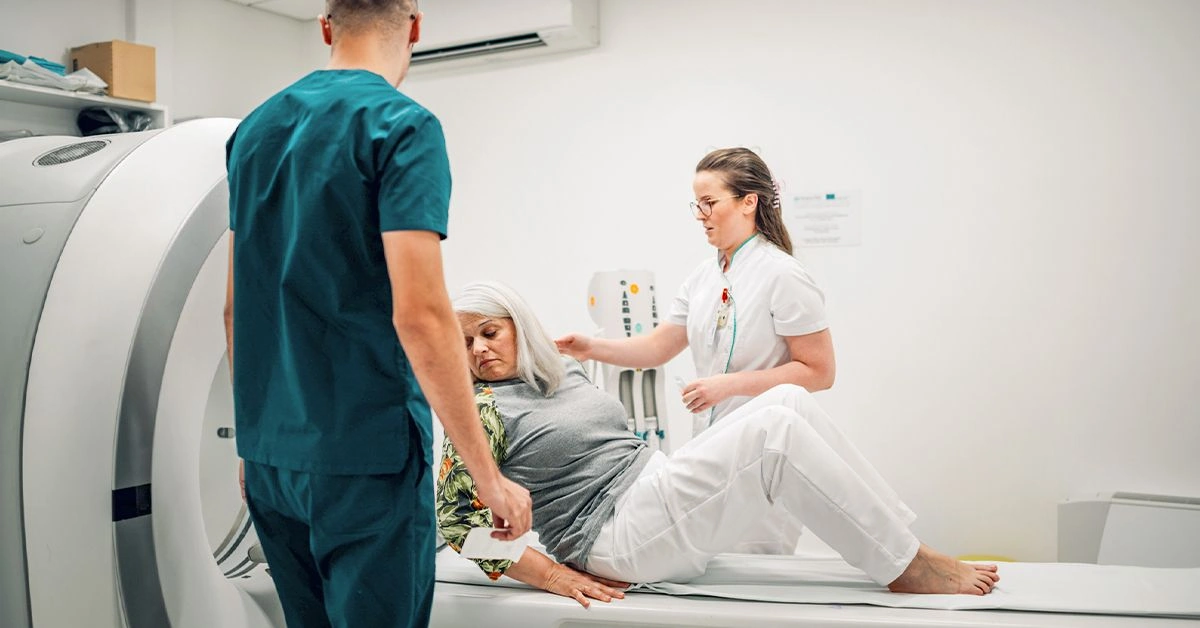
Preparation guidelines for a CT scan vary based on the specific type of imaging you’re scheduled for. For example, if you’re undergoing a bowel scan or a study that involves contrast dye, certain dietary adjustments may be required ahead of time.
In general, preparing for a CT scan (also known as a CAT scan) depends on both the area of the body being examined and the technique used. Your doctor might arrange the scan several days in advance, although in some situations it can be performed on the same day as your consultation.
Most CT scans involve minimal preparation. The primary goal is to ensure the radiology team captures clear, detailed images while keeping you safe throughout the procedure. Depending on the body part being evaluated, you might need more specific preparation steps, such as fasting for several hours or completing bowel cleansing beforehand.
Do not forget to tell your doctor…
Once your doctor recommends a CT scan, inform them immediately if any of the following apply to you:
- You’re pregnant or might be.
- You’re breastfeeding or chestfeeding.
- You have asthma.
- You have diabetes.
- You have kidney or thyroid problems.
- You’re currently taking any medications.
- You’ve previously had an allergic reaction to any contrast dyes.
Sharing this information helps your healthcare provider tailor the imaging plan to reduce risks and avoid complications, particularly if contrast dye will be used.
Diet restrictions before a CT scan
You may need to modify your eating habits if you’re having a CT scan of your bowels — such as CT enterography or CT colonography — or if your imaging study requires contrast.
Bowel CT scan
A CT scan focused on the intestines often requires bowel preparation over several days. This process may involve:
- transitioning to a clear liquid diet a few days prior to the procedure
- fasting the evening before and the morning of the scan
- using a laxative, enema, or suppository to empty your bowels
Proper bowel cleansing helps ensure that residual stool does not obscure important findings on the images. However, a 2023 study suggests that CT colonography may still be effective without strict dietary limitations. In that research, participants took a laxative the night before, and clinicians used fecal tagging to differentiate stool from potential abnormalities on the scan.
Your provider will give you individualized instructions based on your health history, the reason for the test, and the imaging center’s protocols.
CT scan with contrast
Certain CT scans involve a contrast dye to better visualize organs, blood vessels, or other internal structures.
You may be instructed to avoid food and beverages for several hours before your appointment. In some facilities, drinking small amounts of water is permitted if necessary.
In the past, healthcare providers believed that eating or drinking before a CT scan with contrast increased the likelihood of nausea, vomiting, or aspiration pneumonia. However, recent research indicates this risk may be lower than previously thought. As a result, some imaging centers have updated their fasting guidelines.
If you have kidney problems or diabetes, your doctor may order blood tests beforehand to confirm it’s safe to administer contrast dye.
What to do about medications before a CT scan
Review all medications you’re taking with your doctor prior to the scan. Depending on the imaging type, you may need to pause certain drugs or modify your dosing schedule in the days leading up to the test.
This includes over-the-counter medicines. For instance, metformin and nonsteroidal anti-inflammatory drugs (NSAIDs), such as aspirin or ibuprofen, may need to be stopped temporarily because they can increase the risk of kidney damage when combined with contrast dye.
Individuals with diabetes might also need to adjust their insulin regimen, especially if fasting is required. Always follow the specific guidance provided by your healthcare team rather than making changes on your own.
What to wear for a CT scan
Choose loose-fitting, comfortable clothing for your appointment. Items containing metal are not allowed during the scan, including:
- jewelry
- zippers
- bras with metal wires
- hair clips
- belt buckles
- buttons or other fasteners
- hearing aids
- dentures
You’ll be asked to remove any metallic objects before the scan begins, as metal can interfere with image quality. Braces and dental fillings are generally acceptable, but you should not wear a removable retainer.
If you’re unsure about specific garments or personal care products, it’s wise to clarify ahead of time. For example, some patients preparing for endoscopic procedures often ask questions like Can I wear deodorant before a colonoscopy or why can’t i wear deodorant before colonoscopy. While CT scan requirements differ from colonoscopy instructions, checking in advance can help you feel more prepared and avoid last-minute delays.
Restrictions before coronary CT angiography
Coronary CT angiography, also known as a coronary CTA, is used to evaluate the blood vessels supplying your heart.
To prepare for this specialized scan, you’ll need to avoid substances that elevate your heart rate or alter coronary blood flow, as these factors can affect image clarity. You must also minimize anything that could increase the risk of kidney damage if contrast is used.
Common recommendations include:
- avoiding caffeine for at least 12 hours before the exam
- having no solid food for at least 4 hours
- refraining from taking NSAIDs for 24 to 48 hours
- refraining from erectile dysfunction medications, like sildenafil (Viagra) or tadalafil (Cialis)
- refraining from smoking or using products with nicotine
Your healthcare team may administer a beta-blocker 2 hours before the procedure to slow your heart rate, which improves the accuracy of the images.
Next steps
A CT scan typically lasts between 10 to 30 minutes. In most cases, results are available within a few days.
If you receive results quickly — or if there’s a delay — try not to jump to conclusions. Imaging findings often require careful interpretation. Your doctor will review the images, explain what they mean, and discuss any recommended follow-up tests or treatments.
Following preparation instructions closely can help ensure accurate results and a smooth experience. If you have any uncertainties about fasting, medications, or clothing restrictions, contact your healthcare provider or imaging center before your appointment for clarification.




















Leave a Reply
You must be logged in to post a comment.