

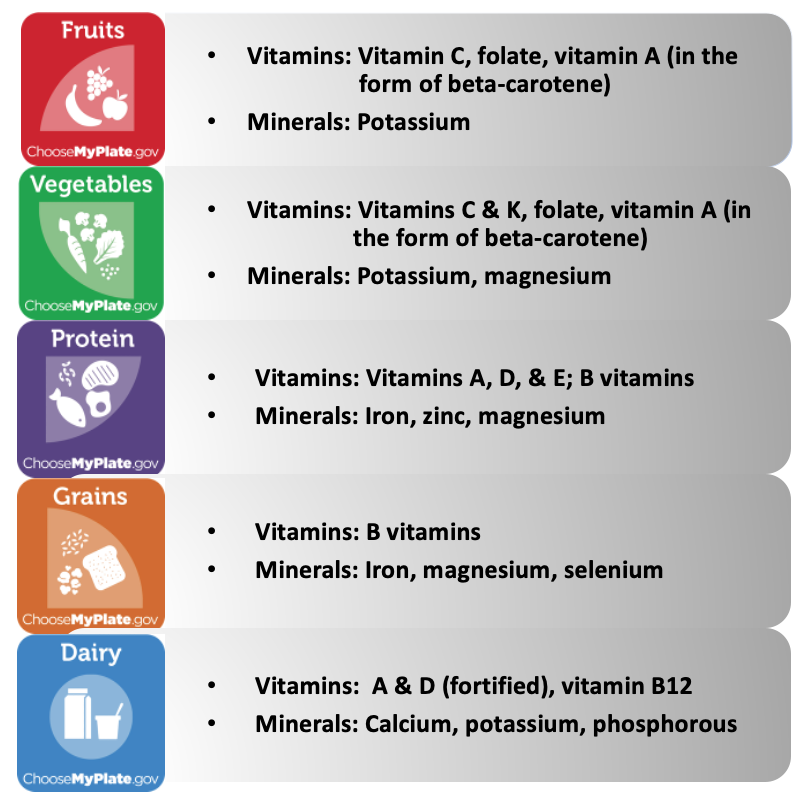
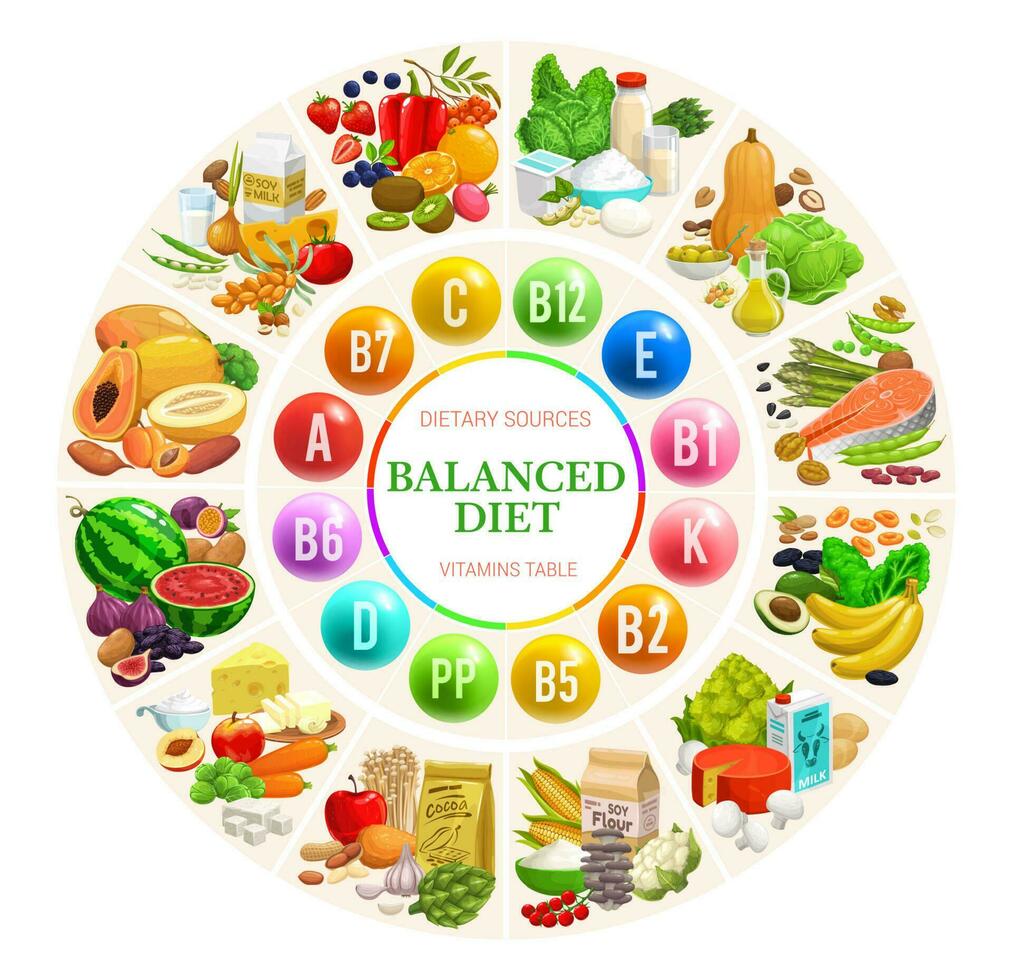
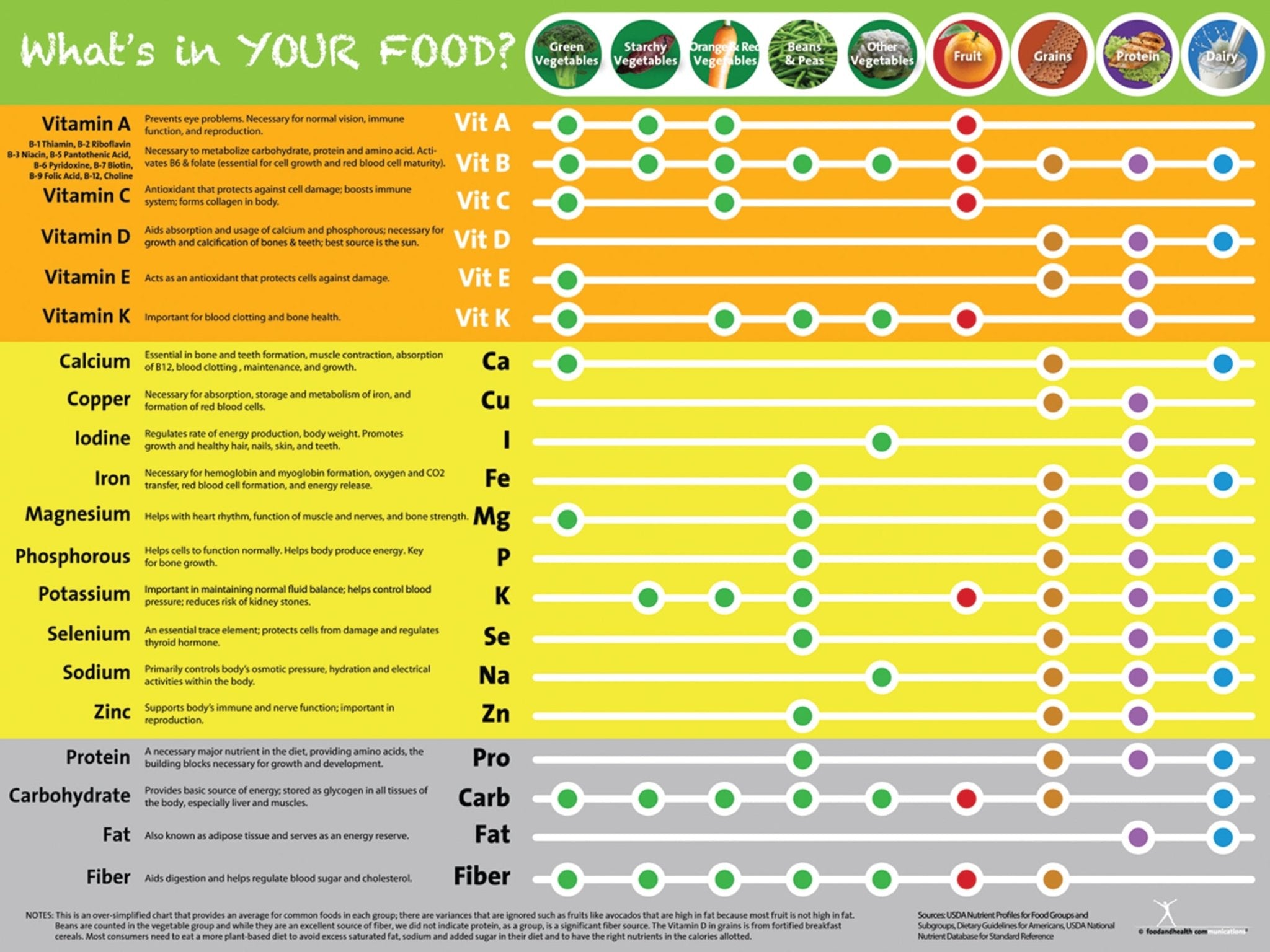
Many everyday foods are rich in B vitamins, including specific types of meat, fish, and poultry, as well as legumes, seeds, eggs, dairy items, and leafy green vegetables. Reviewing a comprehensive Vitamin Food Chart can help you quickly identify which foods deliver the highest amounts of these essential nutrients and how to incorporate them into a balanced meal plan.
There are eight B vitamins — collectively referred to as B complex vitamins.
These include:
- thiamine (B1)
- riboflavin (B2)
- niacin (B3)
- pantothenic acid (B5)
- pyridoxine (B6)
- biotin (B7)
- folate (B9)
- cobalamin (B12)
Although each B vitamin has distinct roles, they generally support energy production and assist in forming vital molecules within your cells (1). They are especially important for metabolism, red blood cell formation, nerve function, and DNA synthesis.
With the exception of B12, your body does not store most of these vitamins for extended periods. Therefore, consistent intake through diet is necessary to prevent deficiency (1). A well-structured Vitamin Food Chart or even an All vitamins list can serve as a practical reference for maintaining optimal intake.
While many foods contain B vitamins, a food must provide at least 20% of the Reference Daily Intake (RDI) per serving to be labeled high in a particular vitamin. Foods supplying 10%–19% of the RDI are considered good sources (2).
Below are 15 nutrient-dense foods that rank high in one or more B vitamins.

1. Salmon
This highly nutritious fish supplies substantial amounts of several B vitamins. A 3.5-ounce (oz), or 100-gram (g), cooked portion of salmon contains (3):
- Thiamine (B1): 23% of the Daily Value (DV)
- Riboflavin (B2): 37% of the DV
- Niacin (B3): 63% of the DV
- Pantothenic acid (B5): 38% of the DV
- Pyridoxine (B6): 56% of the DV
- Cobalamin (B12): 127% of the DV
Salmon is also low in mercury and rich in omega-3 fats, high-quality protein, and selenium (4). Including fatty fish like salmon in your weekly meal plan is a practical way to support heart and brain health while improving your B vitamin intake.
summarySalmon delivers high levels of riboflavin, niacin, vitamin B6, and vitamin B12, along with notable amounts of thiamine and pantothenic acid. It’s also low in mercury and rich in omega-3 fats and protein.
2. Leafy greens
Several leafy greens are particularly notable for their folate (B9) content, making them standout plant-based options on any Vitamin Food Chart. Among vegetables, these rank among the richest folate sources (5, 6, 7, 8, 9):
- Spinach, raw: 12% of the DV in 1 cup (25 g)
- Spinach, cooked: 39% of the DV in 1/2 cup (90 g)
- Collard greens, cooked: 17% of the DV in 1/2 cup (65 g)
- Turnip greens, cooked: 21% of the DV in 1/2 cup (73 g)
- Romaine lettuce, raw: 3% of the DV in 1 cup (35 g)
Keep in mind that folate can be reduced by heat during cooking and may leach into water. To help preserve this sensitive nutrient, lightly steam greens until just tender-crisp (10, 11).
summaryLeafy greens — especially spinach, collards, turnip greens, and romaine — are excellent vegetable sources of folate. Eat them raw or lightly steamed to retain maximum folate content.
3. Liver and other organ meats
Although not everyone’s favorite, organ meats — particularly liver — are among the most concentrated dietary sources of B vitamins. Whether from beef, pork, lamb, or chicken, liver provides impressive amounts (12, 13, 14, 15).
For instance, a 3.5-oz (100-g) portion of beef liver contains (12):
- Thiamine (B1): 15% of the DV
- Riboflavin (B2): 263% of the DV
- Niacin (B3): 109% of the DV
- Pantothenic acid (B5): 139% of the DV
- Pyridoxine (B6): 61% of the DV
- Biotin (B7): 139% of the DV
- Folate (B9): 63% of the DV
- Cobalamin (B12): 2,917% of the DV
If the taste feels too strong, try blending ground liver with regular ground meat or incorporating it into heavily seasoned dishes like chili for a milder flavor profile.
summaryOrgan meats, especially liver, are loaded with most B vitamins. Mixing liver with other meats or seasoning it well can make it more appealing.
4. Eggs
One large egg supplies 35% of the DV for biotin, distributed between the yolk and white. Eggs are among the leading sources of biotin — second only to liver (16, 17).
They also provide modest amounts of other B vitamins. One large (50-g) cooked egg contains (17):
- Riboflavin (B2): 20% of the DV
- Pantothenic acid (B5): 14% of the DV
- Biotin (B7): 35% of the DV
- Folate (B9): 6% of the DV
- Cobalamin (B12): 23% of the DV
Raw egg whites contain avidin, a protein that binds to biotin and limits its absorption if consumed frequently in raw form. Cooking deactivates avidin and also enhances food safety (16).
If you avoid animal products, you can obtain smaller amounts of biotin from vegetables, fruits, nuts, seeds, and whole grains (16). For a broader overview of plant and animal sources, explore this All vitamins food list.
summaryEggs are a leading source of biotin, providing 35% of the DV per cooked egg, along with moderate amounts of other B vitamins.
5. Milk
One cup (240 milliliters) of milk delivers 26% of the DV for riboflavin, in addition to smaller quantities of other B vitamins (18):
- Thiamine (B1): 9% of the DV
- Riboflavin (B2): 32% of the DV
- Pantothenic acid (B5): 18% of the DV
- Cobalamin (B12): 46% of the DV
Research shows milk and dairy foods are primary contributors of riboflavin in many populations, followed by meat and grains (19, 20). Vitamin B12 from milk is also efficiently absorbed, with an absorption rate of 65% (21).
summaryMilk supplies about one-third of your daily riboflavin needs per cup and is also a well-absorbed source of B12.
The bottom line
Meeting your daily requirements for the eight B complex vitamins is fundamental to supporting energy metabolism, neurological function, and overall health.
Top contributors on a Vitamin Food Chart include meat (particularly liver), seafood, poultry, eggs, dairy products, legumes, leafy greens, seeds, and fortified foods like breakfast cereals and nutritional yeast.
If you limit certain food groups due to dietary preferences or allergies, your risk of B vitamin deficiencies may rise. Monitoring your intake using a structured Vitamin Food Chart or digital nutrition tracker can help you identify gaps and adjust your meals accordingly.
By planning a varied, nutrient-dense diet and reviewing reliable resources such as an All vitamins list, you can ensure consistent intake of these essential micronutrients and maintain long-term health.



















Leave a Reply
You must be logged in to post a comment.