

A pulmonary embolism occurs when a fragment of a blood clot breaks away from a deep vein, travels through the bloodstream, and lodges in an artery in the lungs, creating a blockage. This condition is classified as a type of venous thromboembolism (VTE) and can quickly become life threatening if not treated promptly.
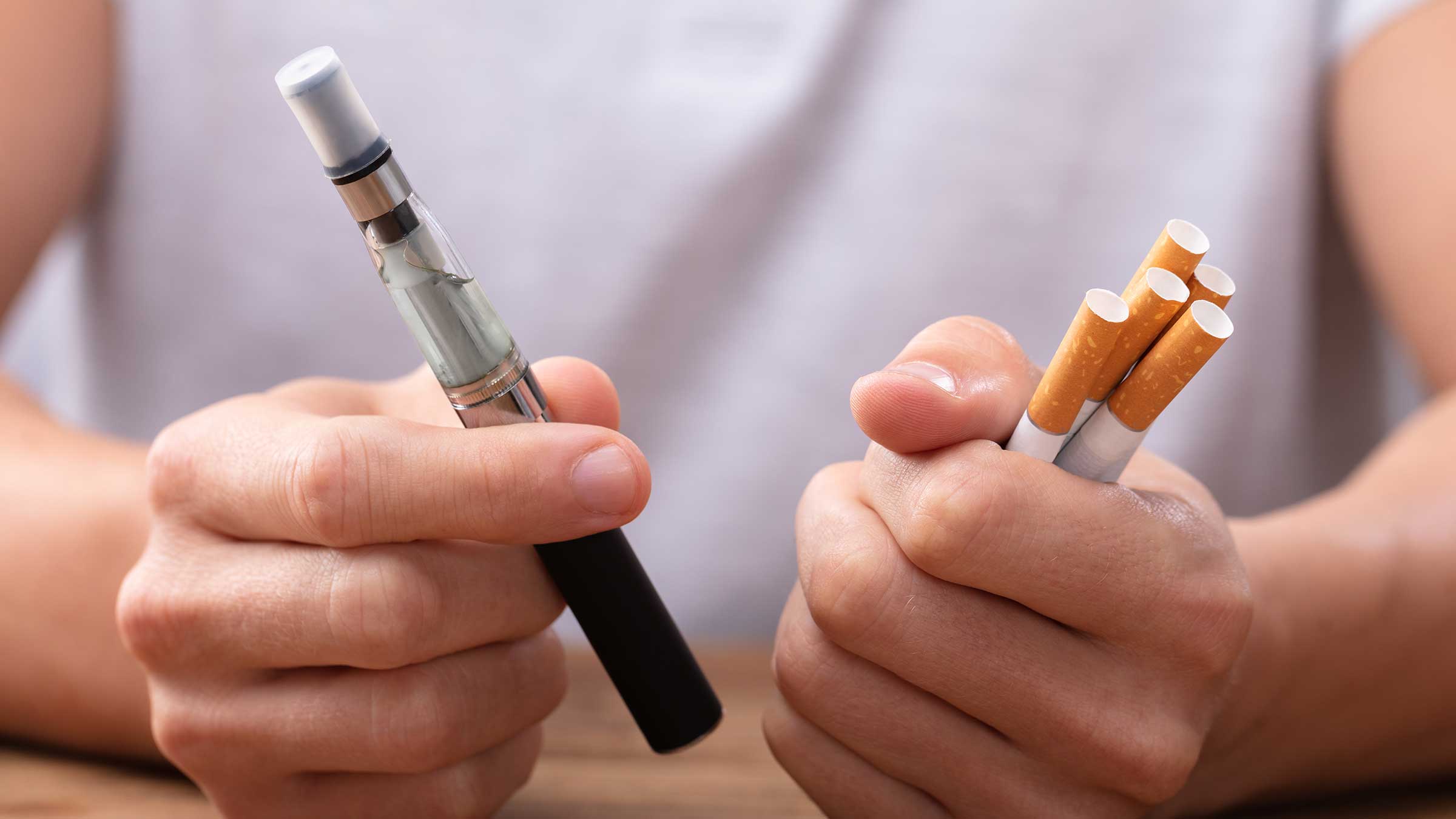
When discussing clotting disorders and anticoagulant therapy, many people ask, Can you vape while on blood thinners? While vaping and smoking are often viewed differently, both may influence cardiovascular and lung health. Understanding how nicotine and inhaled substances affect clot formation is especially important for individuals at risk of VTE or those already taking anticoagulants.

Smoking is recognized as one of the most common risk factors for serious medical conditions impacting the lungs, heart, brain, esophagus, and bladder, among other organs. Its role in vascular inflammation and clot formation continues to be examined in clinical research.
Studies evaluating the direct association between cigarette smoking and pulmonary embolism have produced mixed findings.
Even so, smoking is broadly regarded as a modifiable risk factor that may elevate the likelihood of developing pulmonary embolism, particularly when combined with other health concerns.
When to get immediate medical attentionPulmonary embolism is a medical emergency that could be life threatening. If you experience any of the following symptoms, get immediate medical attention: sudden, severe difficulty breathing sudden, sharp chest pain when breathing in fainting or feeling lightheaded coughing blood fast heartbeat blue-ish lips or nails
What is the link between smoking and pulmonary embolism?
For many years, cigarette smoking was primarily linked to chronic illnesses that contribute to arterial thromboembolism, including heart disease and stroke. These conditions involve clots in arteries rather than veins.
However, a 2016 study involving 244,865 participants determined that cigarette smoking was associated with provoked VTE, meaning VTE occurring in the presence of identifiable risk factors.
The American Heart Association (AHA) explains that smoking alone is not classified as an independent risk factor requiring preventive anticoagulation.
Nonetheless, smoking becomes significantly more concerning if you also have another recognized risk factor, such as:
- a history of a previous blood clot
- recent surgery
- a chronic health condition, such as heart disease, obesity, kidney disease, and high blood pressure
- a sedentary lifestyle
- pregnancy
- bone fractures
- being over age 40
Smoking may further raise your cancer risk, and cancer is strongly linked to pulmonary embolism and VTE.
For example, a 2021 study of 144,952 individuals found that people with cancer who smoked were 50% more likely to develop VTE compared with those who did not smoke.
For individuals taking anticoagulants and wondering Can you vape while on blood thinners, it is important to recognize that nicotine exposure and inhaled chemicals may still affect blood vessels and clotting pathways. While research specifically on vaping and VTE is still evolving, the known cardiovascular effects of smoking raise similar safety concerns. You may also want to explore what happens if you smoke while on blood thinners? for a broader understanding of potential complications.
How does smoking increase the risk of pulmonary embolism?
Smoking increases inflammation throughout the body and thickens the blood, making clot formation more likely. Chronic exposure to cigarette smoke can alter platelet function and disrupt the normal balance between clotting and bleeding.
According to the American Lung Association, smoking can also injure and constrict the lining of blood vessels, increasing the likelihood of blood clots forming. Damage to the endothelium—the inner layer of blood vessels—plays a critical role in VTE development.
Although vaping products do not contain tobacco, many still deliver nicotine and other substances that may affect vascular health. For patients prescribed anticoagulants, the question Can you vape while on blood thinners should be discussed directly with a healthcare professional. Combining nicotine use with anticoagulant therapy may complicate overall cardiovascular risk management, especially in those with multiple clotting risk factors. Additional insights can be found in discussions about Blood thinners and recreational drugs, which address how various substances may interact with anticoagulant medications.
There is no specific treatment designed solely for a pulmonary embolism caused by smoking. Typically, a doctor will prescribe blood thinners or anticoagulants to prevent further clot growth and reduce the risk of additional emboli. In severe or life-threatening cases, a surgical procedure known as embolectomy may be required to remove the clot.
Stopping smoking can substantially lower your risk of VTE, particularly if you have other medical conditions that predispose you to clotting. Quitting also supports better lung and heart function, which is vital if you have experienced a pulmonary embolism or are managing long-term anticoagulant therapy. Consider consulting a doctor for personalized guidance and evidence-based strategies to quit smoking safely and effectively.






















Leave a Reply
You must be logged in to post a comment.