

Abdominal stretches, standing muscle stretches, targeted hip movements, and lunges may help decrease pressure on a compressed nerve, potentially reducing the discomfort linked to meralgia paresthetica. These approaches are often included as part of a conservative Meralgia paresthetica treatment plan.
Meralgia paresthetica occurs when a nerve in the upper leg becomes compressed. This can lead to tingling, numbness, and pain along the outer thigh. The symptoms may range from mild irritation to persistent burning discomfort, depending on the degree of nerve involvement.
Although research has not definitively established physical therapy as a proven Meralgia paresthetica treatment, gentle stretching and strengthening exercises may assist in relieving pressure on the affected nerve. By improving flexibility and muscle balance, these movements may help reduce irritation and ease symptoms of meralgia paresthetica.
What is meralgia paresthetica?

Meralgia paresthetica is a disorder caused by compression of or injury to the lateral femoral cutaneous (LFC) nerve. This nerve travels from the spine, passes through the pelvis, and provides sensation to the outer thigh.
When the LFC nerve is compressed, it can trigger symptoms such as tingling, numbness, or a burning feeling in the skin covering the outer thigh. Some individuals also report heightened skin sensitivity or tenderness in the affected region.
Common causes of meralgia paresthetica include tight clothing, obesity, pregnancy, diabetes, or nerve injury following trauma or surgery. It is sometimes referred to as Gun belt syndrome when external pressure from belts or heavy equipment compresses the nerve.
Managing the root cause—such as decreasing mechanical pressure on the nerve—often plays a central role in Meralgia paresthetica treatment. In many cases, symptom relief follows once the compression is addressed.
Standard treatments for meralgia parasthetica
According to a 2023 article, most cases of meralgia parasthetica improve on their own. Still, certain measures can help minimize nerve irritation and support recovery.
Conservative Meralgia paresthetica treatment options may include:
- wearing loose-fitting clothing to avoid external compression
- losing weight, for people with overweight or obesity
- taking nonsteroidal anti-inflammatory drugs to relieve pain
- applying a cold compress to the affected area to help reduce inflammation
If these strategies fail to provide sufficient relief, a doctor may suggest steroid injections to decrease swelling around the nerve and alleviate persistent discomfort.
In uncommon situations, surgery may be necessary to release the entrapped nerve, as noted in the same 2023 article. Surgery is typically reserved for individuals experiencing severe or long-lasting pain that does not respond to conservative care. However, it is important to understand that surgical outcomes do not always guarantee complete pain relief.
Five exercises for meralgia paresthetica
In addition to the treatments above, some people explore therapeutic movements as part of their Meralgia paresthetica treatment plan. Carefully selected stretches and strengthening exercises may help reduce muscle tightness in the pelvis and thighs, which can otherwise contribute to LFC nerve compression.
While physical therapy is not a proven treatment for meralgia paresthetica, specific exercises may promote improved flexibility, better posture, and enhanced hip stability. For a more comprehensive routine, individuals may also consider guided Meralgia paresthetica exercises tailored to nerve decompression and hip mobility.
It is essential to avoid overexertion. Anyone performing these exercises should stop immediately if they experience increased pain, sharp sensations, or worsening numbness.
The following five exercises may help relieve symptoms associated with meralgia paresthetica.
Cobra Pose
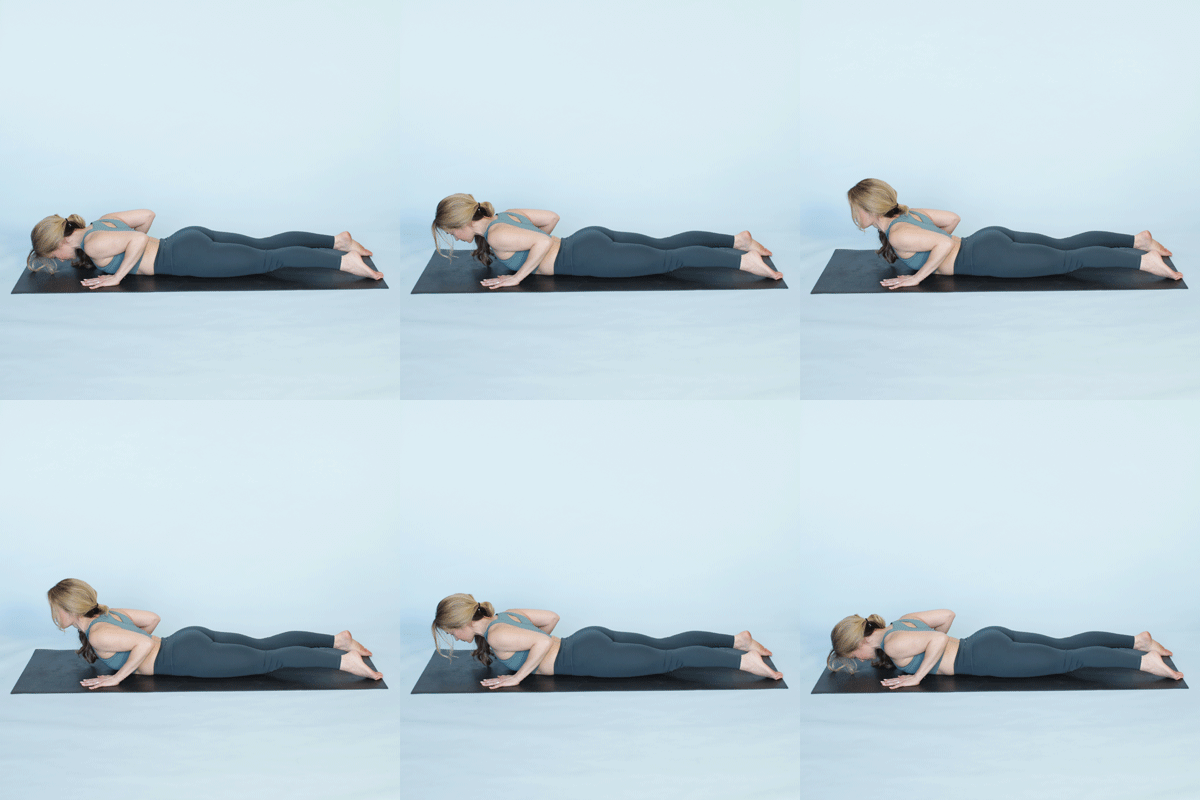
Abdominal stretches may help lessen pressure on the LFC nerve, potentially easing discomfort. Cobra Pose is a yoga posture that gently stretches the abdominal muscles while opening the hips.
To perform Cobra Pose:
- Lie face down on an exercise mat.
- Keeping the hips grounded, press the upper body upward while looking straight ahead.
- Maintain the position for 20 seconds, focusing on the stretch through the abdomen.
- Slowly return to the starting position.
- Repeat 3 to 4 times.
Cat-Cow Pose
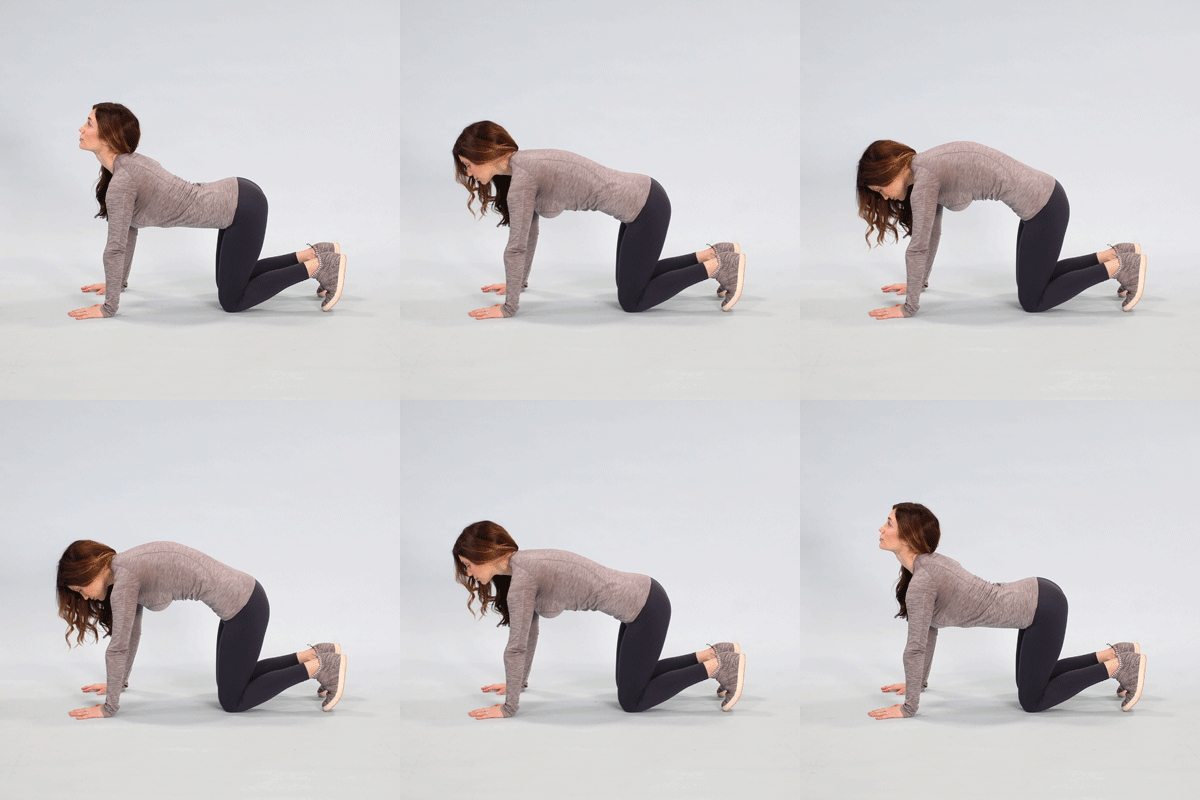
Cat-Cow Pose is another beneficial stretch for the abdominal region and lower back, promoting spinal mobility and gentle core engagement.
To perform Cat-Cow Pose:
- Begin on hands and knees on a mat.
- Lower the head and round the back into the “cat” position.
- Gradually lift the head and allow the belly to drop toward the floor, stretching the abdominal muscles.
- Hold for 20 seconds before returning to neutral.
- Repeat 3 to 4 times.
Standing iliopsoas muscle stretch

The iliopsoas muscle runs from the thigh and connects to the psoas muscles in the lower back and pelvis.
Stretching this muscle group may help reduce groin strain, lower back pain, and pelvic discomfort, which in turn may alleviate symptoms of meralgia paresthetica.
To perform the stretch:
- Stand with one leg resting on a chair and the other leg on the ground.
- Keep the hips and shoulders facing forward without arching the lower back.
- With an upright posture, gently shift weight forward until a stretch is felt at the front of the hip of the grounded leg.
- Hold the stretch for 5 to 10 slow, deep breaths.
- Switch legs and repeat.
Clamshell

The clamshell exercise and similar hip-strengthening movements may help reduce strain on a compressed LFC nerve by improving hip stability.
To perform the clamshell:
- Lie on the left side with feet together and knees bent at a 45-degree angle.
- Slowly lift the right knee while keeping the feet in contact. Hold for 1 second.
- Lower the knee back to the starting position.
- Repeat 15 times, then switch sides.
- Aim to perform this exercise at least once daily.
For added resistance, a band can be placed around the thighs.
Lunges

Lunges both stretch and strengthen key muscles in the legs, including:
- the quadriceps, at the front of the thighs
- the hamstrings, at the back of the thighs
- the gluteal muscles, which form the buttocks
They also support balance and functional movement. To increase difficulty, a person may hold a weight in each hand.
To perform a lunge:
- Stand upright with arms at the sides.
- Step forward with the right leg and place hands on the hips, or keep arms straight if holding weights.
- Lower the body until the right thigh is parallel to the floor and the right shin is vertical. Ensure the right knee does not extend beyond the toes.
- Repeat the movement 15 times, then switch legs.
- Complete 3 sets on each side once or twice daily.
Other exercises
Engaging in physical activity for 30 minutes at least three to four times per week may help individuals with meralgia paresthetica manage ongoing discomfort and support overall nerve health.
Suitable low-impact activities include:
- brisk walking
- low impact aerobics
- swimming
- water aerobics
- cycling outdoors or on a stationary bike
Regular movement can promote healthy circulation, weight management, and muscle balance, all of which may contribute positively to Meralgia paresthetica treatment when combined with medical guidance.
Summary
Meralgia paresthetica results from compression of the LFC nerve, leading to numbness, tingling, or pain in the skin of the outer thigh.
Exercises for meralgia paresthetica emphasize stretching and strengthening the hips and legs to reduce nerve compression. A well-rounded Meralgia paresthetica treatment plan may also include lifestyle adjustments, weight management when appropriate, and avoiding tight garments.
In many instances, symptoms resolve independently or with conservative care, such as wearing looser clothing, losing weight if recommended by a doctor, and maintaining regular physical activity.





















Leave a Reply
You must be logged in to post a comment.