
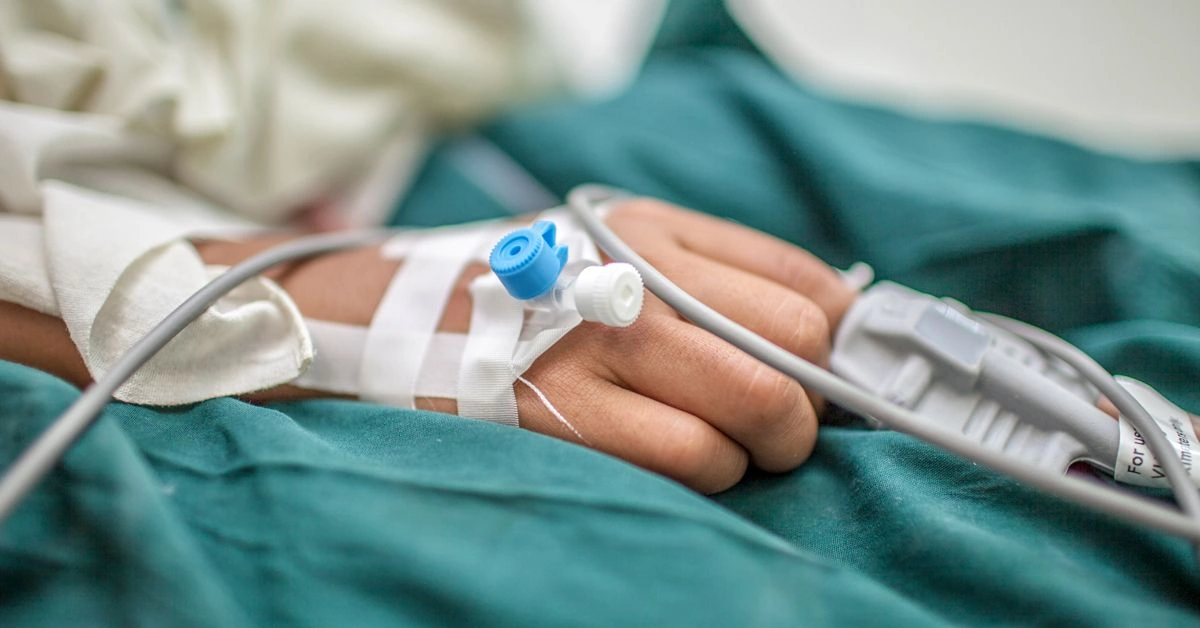
Experiencing an allergic response while anesthesia is being administered is possible, although it is relatively uncommon.
Research estimates that approximately 1 out of every 10,000 individuals who receive anesthesia develop an allergic reaction during the perioperative period. This reaction may be triggered by a variety of medications used around the time of surgery, not solely the anesthetic drugs themselves.
Alongside true allergic reactions, nonallergic responses and medication-related side effects can produce symptoms that closely resemble an allergy, which may lead to confusion or concern.
Even in situations where an allergic reaction to anesthesia occurs, lasting complications are rare. Anesthesiologists are specifically trained to promptly identify and manage any signs of adverse reactions, helping reduce the risk of serious outcomes.
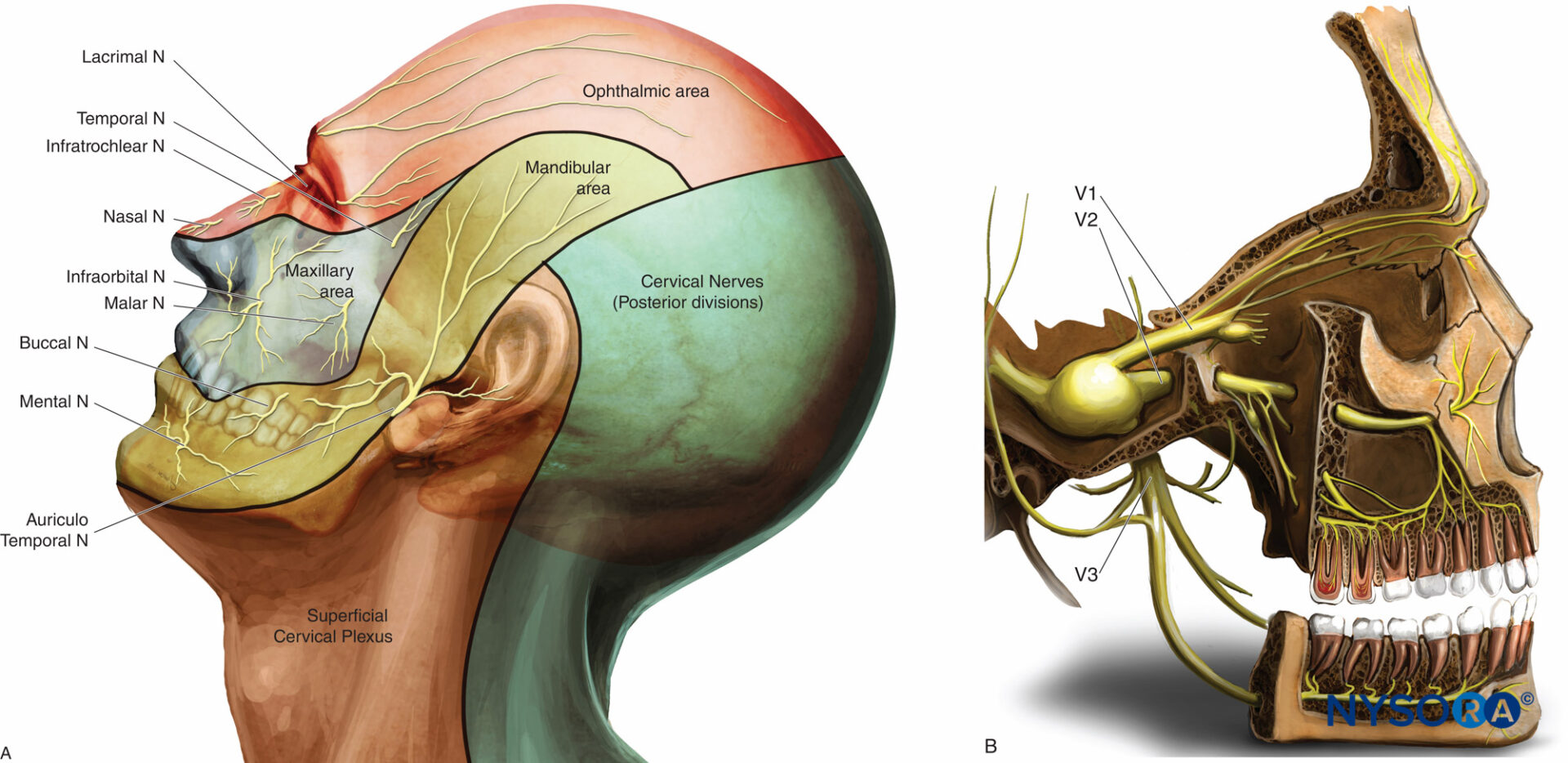
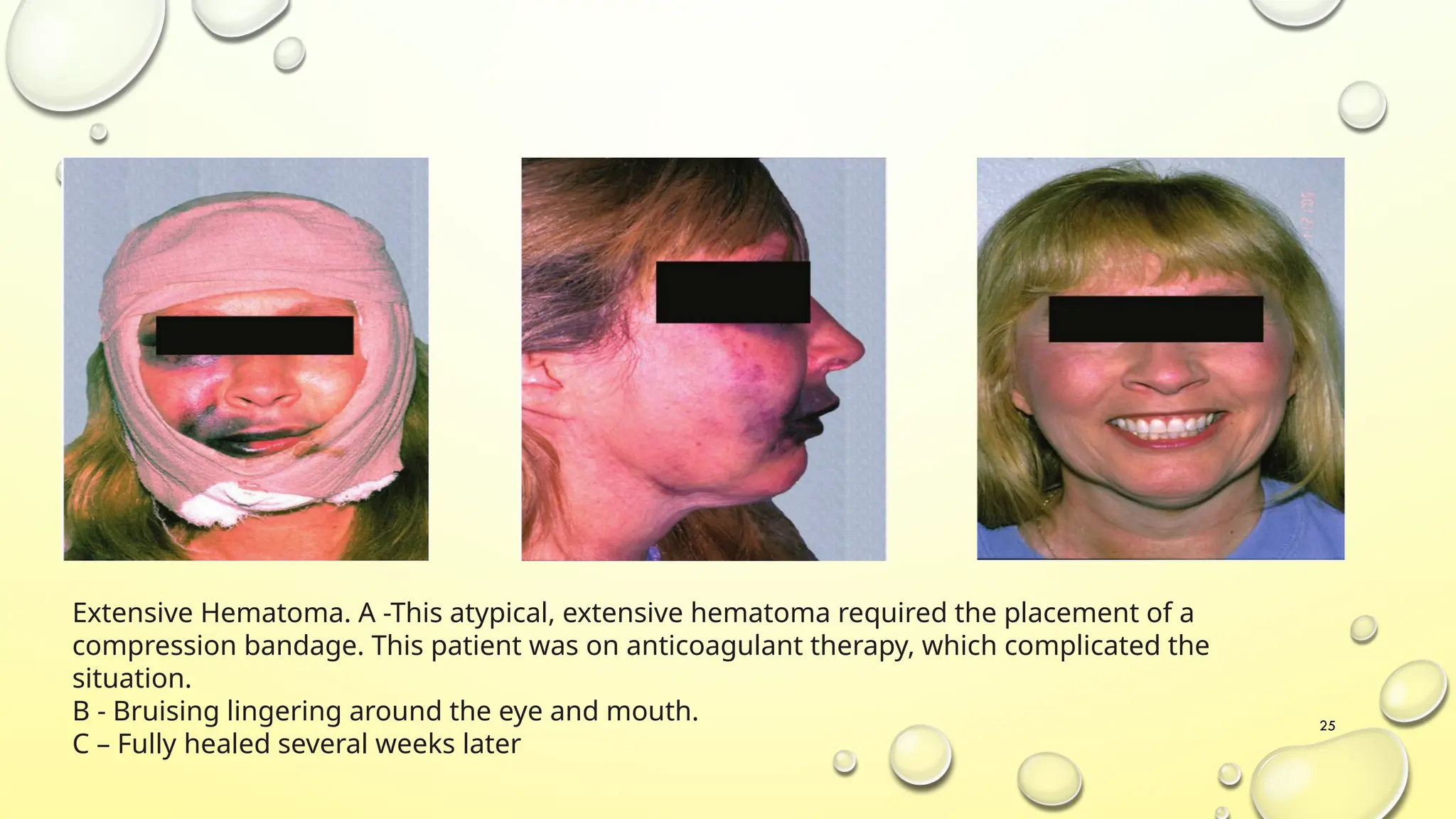
In some cases, patients may notice Face swelling after local anesthesia, especially following dental or minor surgical procedures. While facial swelling can be alarming, it does not always indicate a true allergy. Understanding the difference between allergic reactions, side effects, and localized inflammatory responses is essential for appropriate care.

What are the symptoms?
The signs of a genuine allergic reaction to anesthesia resemble those seen with other types of allergic reactions.
Symptoms of mild to moderate allergic reactions may include:
- rash
- hives
- itchy skin
- swelling, especially around your eyes, lips, or entire face (angioedema)
- mild reduction in your blood pressure
- mild shortness of breath
- cough
Facial swelling, including Face swelling after local anesthesia, may occur as part of angioedema or as a localized tissue response to an injection. In dental settings, this can sometimes overlap with issues such as Cheek swelling after dental injection, which may be related to trauma, inflammation, or infection rather than an allergy.
In rare instances, a severe and potentially life-threatening reaction known as anaphylaxis can develop.
Symptoms of anaphylaxis may include those seen in milder reactions, as well as:
- severe shortness of breath due to closure of your airways
- severely low blood pressure
- very fast or slow heart rate or abnormal heart rhythm (arrhythmia)
- dizziness
- shock
- respiratory failure
- cardiac arrest
What triggers an allergic reaction?
During anesthesia administration, you are exposed to multiple medications and substances, including antiseptic solutions and blood products. However, certain agents are more commonly associated with allergic reactions.
Allergic responses to anesthetic agents are frequently linked to neuromuscular blocking agents (NMBAs). These medications temporarily prevent muscle movement during surgery.
That said, allergic reactions may also occur with other drugs used in the anesthesia process, such as antibiotics and the antiseptic chlorexidine.
Most allergic reactions take place during general anesthesia, when medications are administered to induce temporary unconsciousness.
They are less frequently seen with other forms of anesthesia, including:
- local anesthesia, which involves injecting a numbing medication into your skin
- epidural anesthesia, which involves injecting numbing medication into the space around your spinal cord
- conscious sedation, which makes you sleepy and forgetful without losing consciousness
Although uncommon, Face swelling after local anesthesia may be observed following dental procedures or minor dermatologic treatments. In many cases, this swelling is due to localized inflammation, minor bleeding, or soft tissue irritation. Occasionally, patients may also notice a Painful lump after dental injection, which is typically related to injection-site trauma rather than a systemic allergic event.
What side effects can anesthesia cause?
At times, symptoms that appear to be an anesthesia allergy are actually medication side effects.
Below is an overview of potential side effects, ranging from mild to severe.
Mild side effects
Most anesthesia-related side effects are minor and resolve on their own. While local anesthesia, conscious sedation, and epidural anesthesia can cause side effects, they are more commonly associated with general anesthesia.
Mild side effects of general anesthesia may include:
- nausea and vomiting
- muscle aches
- itching, especially if you’re given opioid pain medicine
- signs of hypothermia, such as shivering
- difficulty urinating for a few hours after surgery
- mild confusion for a few hours or days after surgery
Side effects of local anesthesia may include:
- tingling as it wears off
- itching
- mild pain at the injection site
Localized swelling can also occur at the injection site. When this affects the face, patients may describe it as Face swelling after local anesthesia. In most cases, this type of swelling is temporary and improves within a few days with cold compresses and monitoring.
Side effects of conscious sedation may include:
- nausea
- headache
- sleepiness for a day or so
Side effects of epidural anesthesia may include:
- headache if spinal fluid leaks from the injection site
- pain at the injection site
- minor bleeding at the injection site
Serious side effects
Severe side effects from anesthesia are uncommon. When they do occur, they are more likely in individuals who:
- have heart disease
- have lung disease
- have had a stroke
- have a neurological disease, such as Parkinson’s disease or Alzheimer’s disease
One of the primary serious side effects of general anesthesia is postoperative delirium. This condition involves memory loss and confusion lasting more than a few days after surgery.
In some individuals, this memory impairment may persist and become associated with learning challenges. This is referred to as postoperative cognitive dysfunction. However, some experts believe the surgery itself, rather than the anesthesia, may be responsible.
Local anesthesia can also produce serious side effects if administered in excessive amounts or inadvertently injected into the bloodstream. These effects are typically related to the impact of the anesthetic on the brain and heart.
They may include:
- dizziness
- drowsiness
- nausea and vomiting
- muscle twitches
- anxiety
- seizures
- slow or abnormal heart rhythm
Additionally, receiving too much conscious sedation can:
- reduce your breathing rate, which reduces the amount of oxygen in your blood
- cause very low blood pressure
Finally, epidural anesthesia may result in:
- infection in the fluid around your spinal cord
- permanent nerve damage
- severe bleeding into the space around the spinal cord
- seizures
What about nonallergic reactions?
Some individuals experience reactions to anesthesia that are neither allergic nor typical side effects. These occur when the body responds differently to a medication compared with the general population.
The two primary nonallergic reactions are malignant hyperthermia and pseudocholinesterase deficiency.
Malignant hyperthermia
Malignant hyperthermia is a hereditary condition that tends to run in families.
People with this disorder can rapidly develop dangerously elevated body temperatures and severe muscle contractions when exposed to certain anesthetic agents.
Symptoms may include:
- fever as high as 113°F (45°C)
- painful muscles contractions, often in the jaw
- brown-colored urine
- difficulty breathing
- arrhythmia
- very low blood pressure
- shock
- confusion or delirium
- kidney failure
Pseudocholinesterase deficiency
This condition occurs when the body has an abnormality in an enzyme known as pseudocholinesterase, which is necessary to break down certain muscle relaxants, particularly succinylcholine.
Without proper pseudocholinesterase activity, the body cannot metabolize the muscle relaxant efficiently. As a result, the medication’s effects last significantly longer than expected.
NMBAs administered before surgery temporarily block movement of all muscles, including the diaphragm, which enables breathing.
For this reason, individuals with pseudocholinesterase deficiency may require mechanical ventilation after surgery until the medication has been fully cleared from their system.
How can I reduce my risk of having a reaction?
While you cannot alter how your body inherently responds to certain medications, you can take steps to minimize the likelihood of a reaction or side effect.
The most important measure is ensuring your healthcare team is aware of any previous medication reactions.
Be sure to inform them about:
- any medication, food, or substance you know or suspect you’re allergic to
- any allergic reactions you’ve experienced to anesthetics or other medications, including antibiotics
- any side effects you’ve had from anesthetics or other drugs
- any family history of malignant hypothermia or pseudocholinesterase deficiency
If you have never received anesthesia before, remember that anesthesiologists undergo extensive training. Part of that training involves recognizing early warning signs of allergic reactions, toxic effects, and complications such as Face swelling after local anesthesia, allowing for rapid intervention.
You should also feel at ease discussing any concerns with your doctor prior to a procedure requiring anesthesia. If you do not feel heard or supported, seeking care from a different healthcare provider may be a reasonable option to ensure your safety and peace of mind.























Leave a Reply
You must be logged in to post a comment.