

Intestinal gas is a routine byproduct of digestion. It’s commonly referred to as bowel gas or flatus. However, when excessive gas accumulates in the intestinal tract, it can interfere with imaging tests, particularly ultrasound scans of abdominal organs. If you’ve been told Why is my pancreas obscured by bowel gas, it means that gas within the intestines is blocking clear visualization of the pancreas during a sonogram. This situation is medically described as overlying bowel gas.
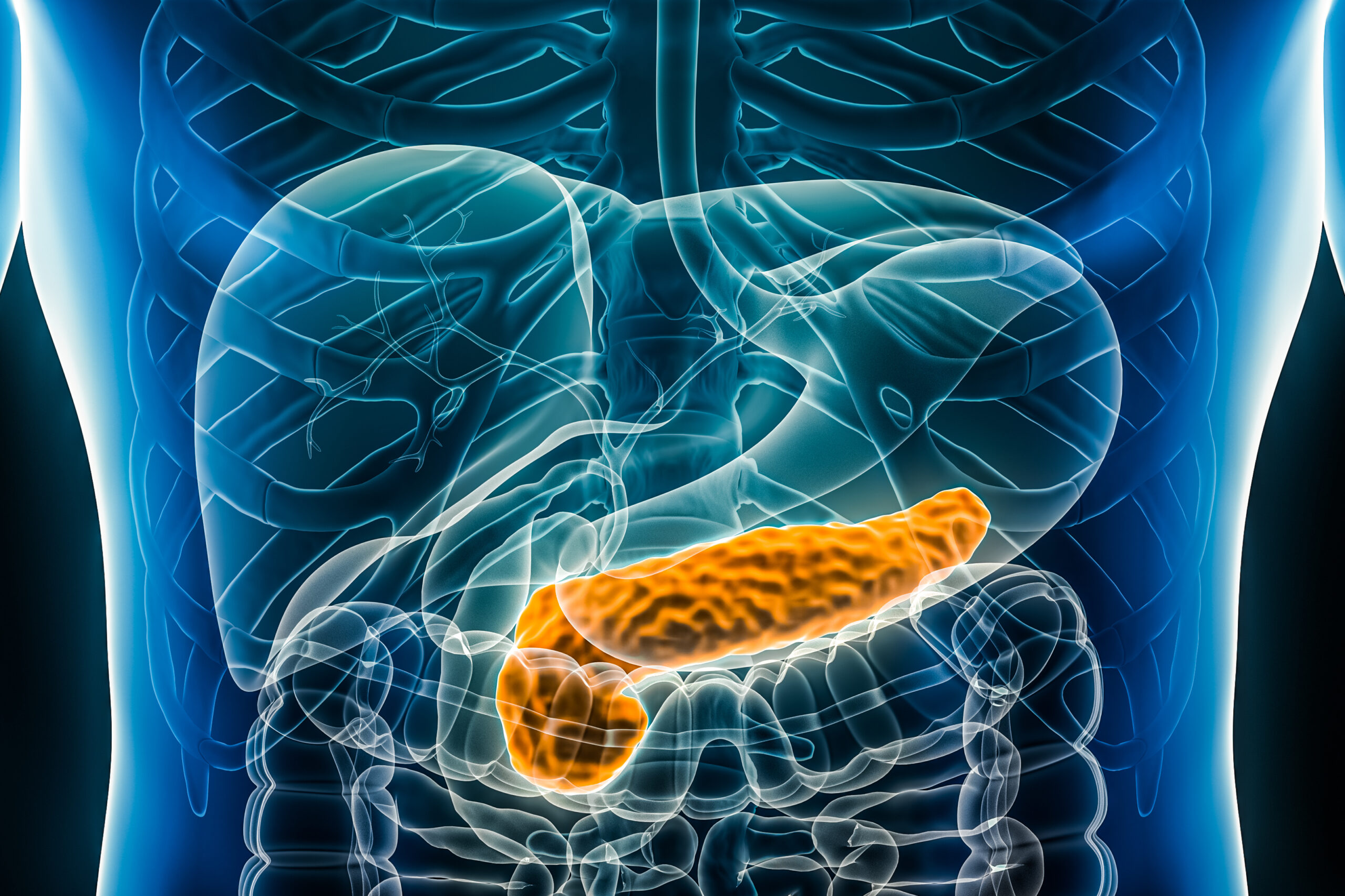
Below, we’ll explore what causes overlying bowel gas, why it can affect imaging of organs such as the pancreas, and the symptoms and potential complications associated with excessive intestinal gas.
What causes overlying bowel gas?
Ultrasound imaging is a highly valuable tool for diagnosis. It enables healthcare providers to examine internal organs, blood vessels, and soft tissues without surgical procedures or radiation exposure. For the technology to work properly, ultrasound waves must travel through fluid or soft tissue to create accurate images.
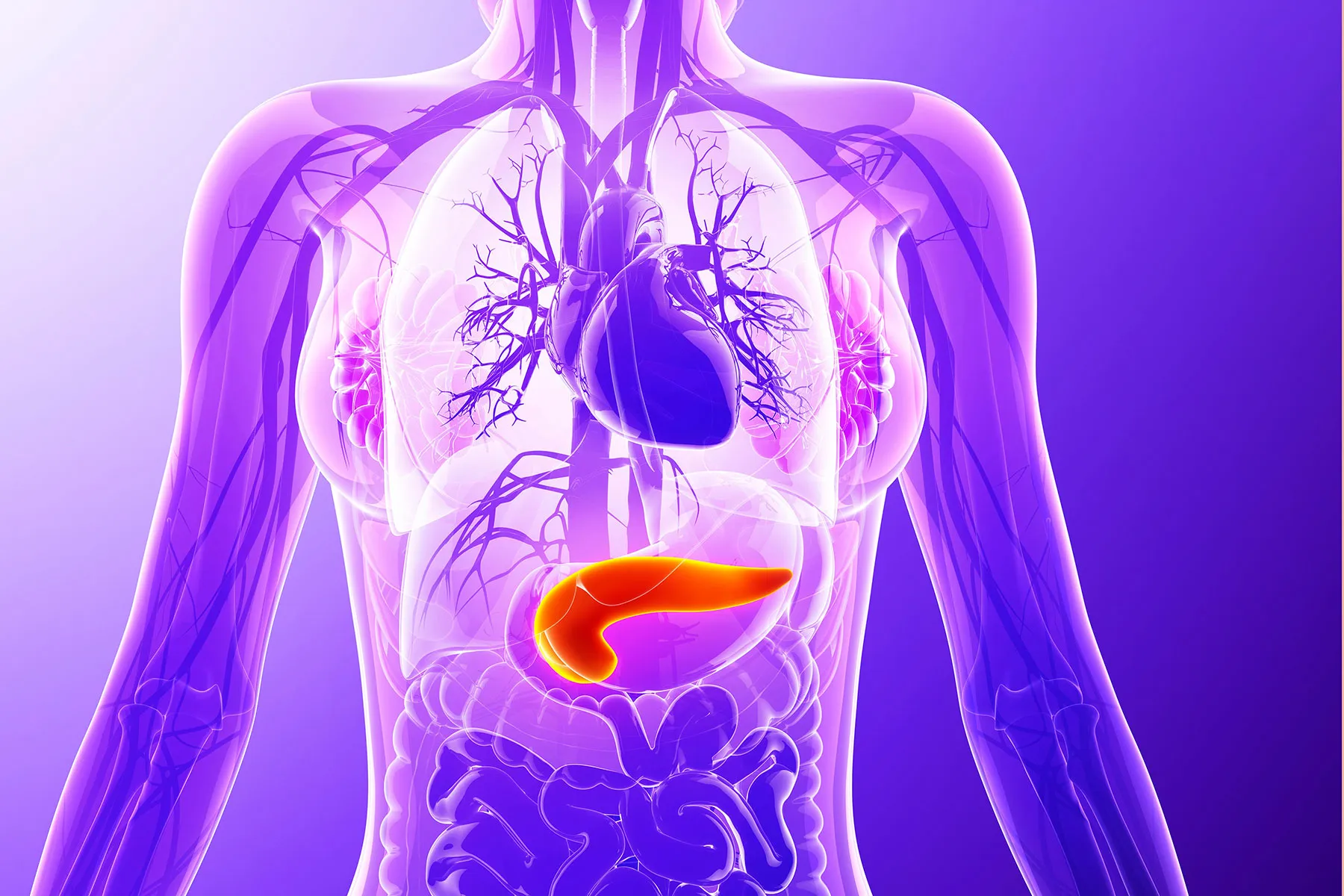
Gas and air, however, do not transmit ultrasound waves effectively. When excess gas is present in the stomach or intestines, the sound waves are scattered or blocked. As a result, the radiologist or sonographer may see shadowed areas, gaps, or unclear regions on the scan. For example, if intestinal gas lies in front of the pancreas, it can prevent a clear image, leading patients to ask, “Why is my pancreas obscured by bowel gas?”
Seeing overlying bowel gas during an abdominal sonogram is relatively common and often reflects normal digestive activity. However, if this finding occurs repeatedly or significantly limits imaging quality, it may indicate increased intestinal gas production that warrants further evaluation. In some cases, your provider may recommend a repeat scan or alternative imaging technique, such as a Pancreas obscured by bowel gas ultrasound approach with special preparation instructions.
Overlying bowel gas during pregnancy
Ultrasound remains the preferred image modality during pregnancy because it avoids radiation while delivering detailed images of fetal growth and maternal organs. Still, overlying bowel gas may create limitations in certain situations by partially obscuring structures. In these cases, a transvaginal ultrasound may be recommended to bypass gas-filled intestinal segments.
Experiencing increased gas during pregnancy is common. Hormonal shifts, particularly elevated progesterone levels, relax smooth muscle throughout the body, including the intestines. This relaxation slows gastrointestinal motility, allowing more time for fermentation of food by gut bacteria, which can result in bloating and excess gas.
Although this is usually temporary and harmless, persistent imaging challenges may require additional positioning techniques or preparation strategies to improve scan clarity.
Implications of overlying bowel gas on an ultrasound
Overlying bowel gas can interfere with ultrasound results during evaluations for abdominal pain, pancreatic disorders, liver conditions, or routine prenatal assessments. When imaging of the pancreas is obstructed, patients often wonder, “Why is my pancreas obscured by bowel gas during my scan?” The answer lies in the physical limitation of ultrasound waves passing through air.
If important structures cannot be adequately visualized, your healthcare provider may request a repeat ultrasound with fasting instructions or recommend alternative imaging studies such as CT or MRI for clearer assessment. In most cases, this does not permanently delay diagnosis, but it may require additional steps to obtain accurate results.
Although excess bowel gas can cause discomfort, it is generally not associated with life-threatening complications. The primary concern is reduced imaging clarity rather than direct harm.
Causes of excess gas
Several factors can contribute to increased intestinal gas production, which may interfere with abdominal imaging and pancreatic visualization.
Swallowing too much air
Swallowing small amounts of air while eating or drinking is normal. However, excessive air intake can accumulate in the stomach and move into the intestines, increasing gas levels.
Habits that may lead to swallowing more air include:
- chewing gum
- sucking on hard candy or objects
- drinking carbonated or sweetened beverages
- eating or drinking too quickly
- drinking beverages through a straw
- wearing loose-fitting dentures
Dietary choices
The foods you consume significantly influence gas production. Carbohydrates, especially fiber and certain sugars, are not fully digested in the stomach and small intestine. When they reach the large intestine, bacteria break them down through fermentation, producing gas as a byproduct.
Common gas-producing foods include:
- fiber-rich fruits like apples, peaches, or pears
- cruciferous vegetables (like kale and cauliflower)
- legumes (like beans and lentils)
- dairy products (like milk and yogurt)
- whole grains
- drinks with high-fructose corn syrup (like sports drinks)
- candy or gum
- food with sweeteners that end in “ol” (like mannitol or xylitol)
While these foods are often nutritious, adjusting portion sizes before an abdominal ultrasound may help improve imaging accuracy.
Underlying conditions
Various gastrointestinal disorders may contribute to chronic or excessive gas. Some are temporary, while others involve long-term management. Conditions that may increase gas production include:
- irritable bowel syndrome
- constipation
- food intolerances (like lactose intolerance)
- gastroenteritis
- Crohn’s disease
- celiac disease
- diabetes
- ulcerative colitis
- gastroesophageal reflux disease (GERD)
- dumping syndrome
- peptic ulcers
- autoimmune pancreatitis
If pancreatic imaging continues to be obscured, your provider may discuss preparation methods or refer you for Pancreas obscured by bowel gas treatment strategies to enhance scan quality.
Symptoms of excess bowel gas
The symptoms of excess intestinal gas vary among individuals. Common symptoms include:
- burping (belching)
- bloating
- passing gas (flatulence)
- abdominal distention (swollen belly)
If an underlying gastrointestinal disorder is responsible, additional symptoms specific to that condition may also be present.
When to speak with your doctor
Because symptoms of excess bowel gas can resemble other digestive disorders, including more serious conditions, medical evaluation is important if your gas:
- persists despite dietary adjustments and home remedies
- occurs frequently
- disrupts daily activities
- causes significant pain or discomfort
- appears alongside diarrhea, constipation, or vomiting
Keeping a food and symptom diary before your appointment can help identify triggers. It may also be helpful to ask family members whether similar digestive patterns run in your family.
Treatment options for excess gas
There are several ways to manage excess gas, ranging from simple lifestyle adjustments to medications.
Lifestyle changes
Reducing or eliminating the following behaviors may decrease gas buildup:
- avoiding chewing gum
- avoiding sucking on hard candy
- avoiding carbonated beverages and straws
- eating more slowly
- wearing properly fitted dentures
Dietary changes
Limiting foods that trigger gas can improve symptoms and potentially enhance abdominal ultrasound clarity.
Your doctor may recommend specific dietary restrictions if you have:
- celiac disease
- irritable bowel syndrome
- lactose intolerance
- fructose intolerance
In preparation for imaging studies, short-term dietary adjustments or fasting instructions are sometimes advised to minimize bowel gas.
Medications or supplements
Over-the-counter options such as simethicone may help break up gas bubbles. Supplements like papaya enzymes or lactase enzymes can assist individuals with lactose intolerance. When excess gas is linked to a chronic medical condition, prescription medications may be necessary to manage the underlying disorder effectively.
The gut-brain connection
Digestive health and mental well-being are closely linked through the gut-brain axis. Persistent gastrointestinal discomfort can influence mood, stress levels, and overall quality of life. Following your healthcare provider’s recommendations and addressing both physical and emotional health can support symptom improvement.
If you have a chronic gastrointestinal disorder, support groups and nonprofit organizations can provide education and community resources, such as:
- Crohn’s & Colitis Foundation
- International Foundation for Functional Gastrointestinal Disorders
- National Celiac Association
- University of Chicago Medicine IBD support groups
Takeaway
Overlying bowel gas refers to intestinal gas that blocks or conceals underlying structures during an ultrasound examination. If you’re asking, “Why is my pancreas obscured by bowel gas?” the explanation typically involves normal digestive gas interfering with sound wave transmission.
Common contributors include high-fiber foods, carbonated drinks, swallowing excess air, and gastrointestinal disorders such as Crohn’s disease, celiac disease, and irritable bowel syndrome. Although it may delay clear imaging, it is usually manageable with dietary adjustments, lifestyle changes, or medical guidance.
By addressing the underlying cause and following preparation instructions before imaging, most people can achieve clearer ultrasound results and improved digestive comfort.























Leave a Reply
You must be logged in to post a comment.