

Key takeaways
- Most bee stings result in mild, localized effects such as pain, itching, and minor swelling. Signs of a severe allergic reaction may include hives, swelling of the throat or face, nausea, and difficulty breathing.
- If you notice symptoms of anaphylaxis, call 911 or your local emergency number immediately and use an epinephrine auto-injector if available. Seek medical care after multiple stings or any sting if you have a known bee sting allergy.
- Manage mild stings by gently scraping out the stinger, cleansing the skin, and applying ice or hydrocortisone. Antihistamines and over-the-counter pain relievers may ease itching, swelling, and discomfort.
For many people, a bee sting leads only to temporary discomfort. However, understanding How long does it take to have an allergic reaction to a bee sting is essential, especially if you have a history of allergies. While mild reactions often appear within minutes and stay localized, a severe allergic response such as anaphylaxis can develop rapidly and requires urgent medical care.
In most cases, allergic symptoms begin within minutes after the sting occurs. Anaphylaxis typically develops quickly — often within 5 to 30 minutes — though in rare situations it may be delayed. Knowing the expected timeline can help you act promptly and potentially prevent life-threatening complications. If you’re unsure about symptom progression, learning more about How long does bee venom stay in your system can also provide helpful context.
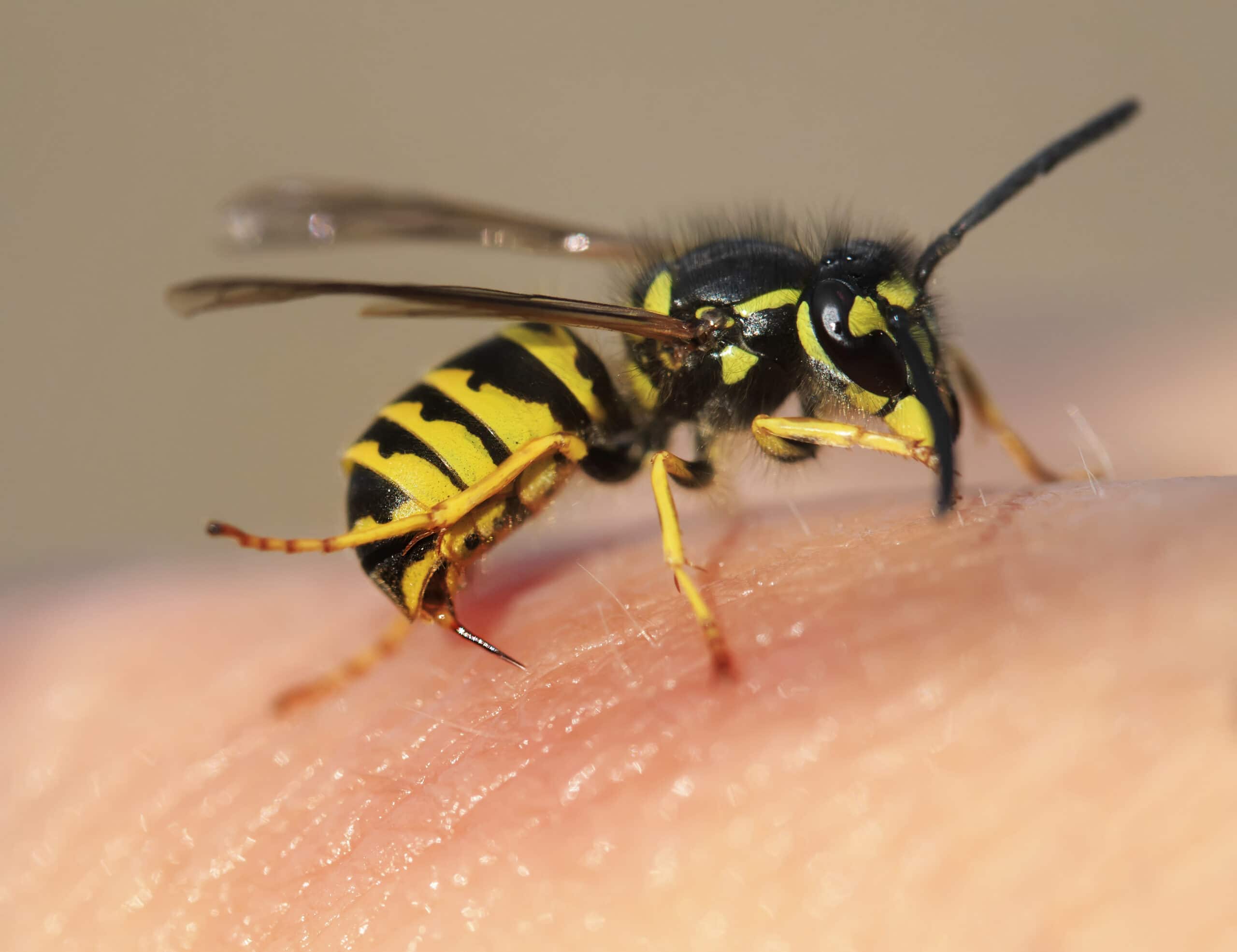
What are the symptoms of a bee sting allergy?
Mild, localized symptoms from a bee sting may include:
- pain or itching at the site of the sting
- a small white mark where the stinger pierced the skin
- redness or discoloration and slight swelling around the area
These localized effects are common and generally improve within a few hours to a couple of days. You might also wonder How long does a bee sting stay swollen if swelling persists, as mild inflammation can sometimes last longer in sensitive individuals.
Severe symptoms of a bee sting allergy can include:
- hives
- flushed or pale skin
- swelling of your throat, face, and lips
- headache
- dizziness or fainting
- nausea and vomiting
- abdominal cramping and diarrhea
- difficulty breathing or swallowing
- a decrease in blood pressure
- a weak and rapid pulse
- loss of consciousness
These signs indicate a systemic allergic reaction and may signal anaphylaxis. If you’re asking, “How long does it take to have an allergic reaction to a bee sting?” and you notice any of the symptoms above, treat it as a medical emergency.
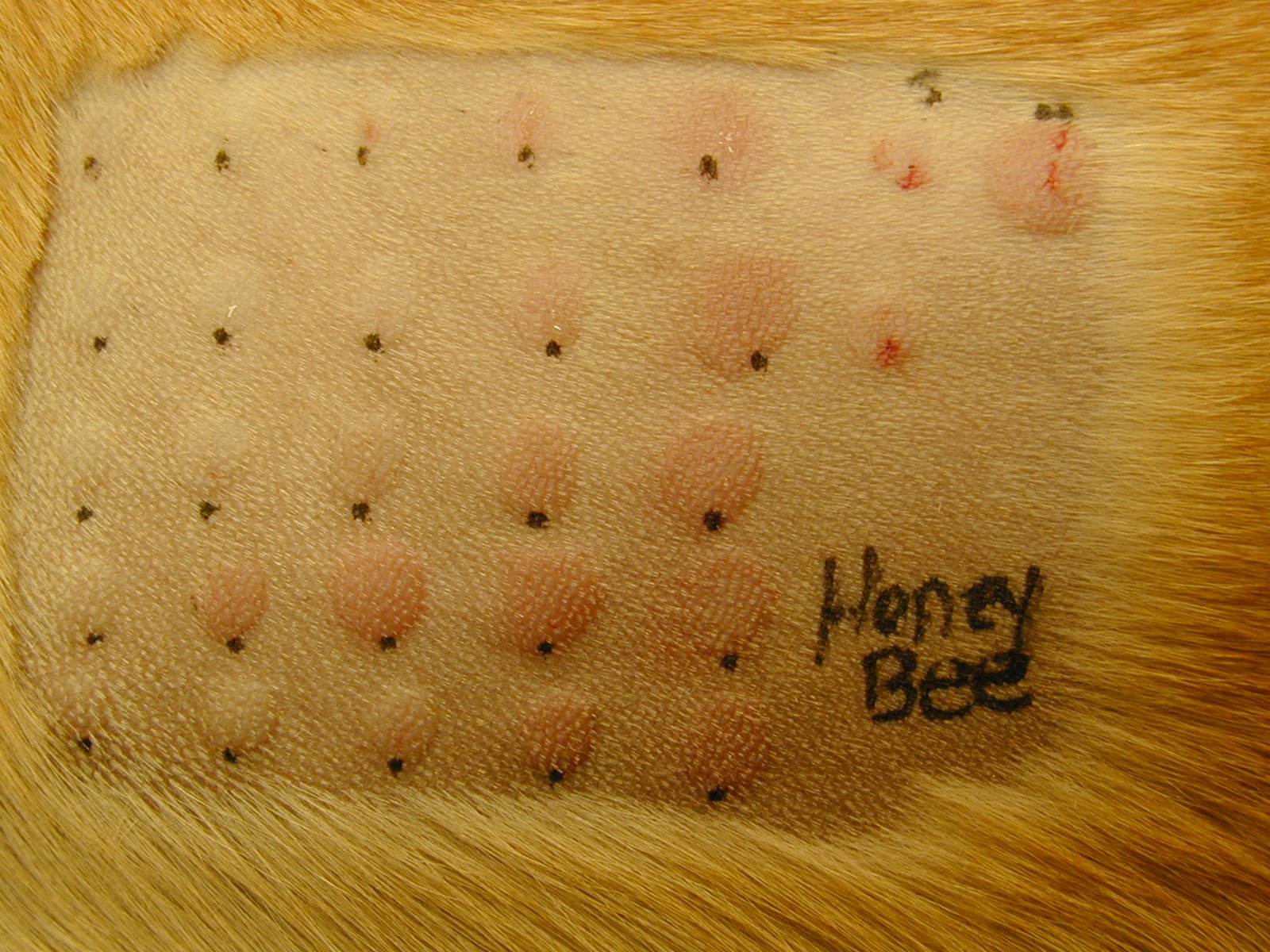
Who is at risk of a bee sting allergy?
Some individuals face a greater likelihood of developing a bee sting allergy. Risk factors include:
- living near active beehives or in regions where bees frequently pollinate plants
- spending extended periods outdoors
- being 40 years old or older
- having a prior allergic reaction to a bee sting
- having mastocytosis, a disorder in which the immune system produces excessive mast cells, leading to inflammation and allergy-like symptoms
Adults tend to experience more severe reactions to bee stings than children. Additionally, individuals with underlying immune system conditions may be more susceptible to systemic responses.
If you are aware of an allergy to bee, wasp, or yellow jacket venom, it’s essential to carry a bee sting emergency kit when outdoors. This kit typically contains one or more epinephrine auto-injectors, often recognized by the brand name “EpiPen.” Epinephrine is the first-line medication for treating anaphylaxis.
Make sure you understand how to properly use the auto-injector, and educate close friends and family members as well. Quick administration can significantly improve outcomes in a severe allergic reaction.
When to seek help
Most bee stings do not require professional medical care. If you do not have a known allergy, monitor mild symptoms such as minor swelling, redness, or itching.
If these symptoms persist beyond a few days or begin to worsen, contact a healthcare professional. It’s also wise to seek advice if you’re uncertain about how long it takes to have an allergic reaction to a bee sting and you notice new or spreading symptoms.
If you develop signs of anaphylaxis — including trouble breathing, throat tightness, or difficulty swallowing — call 911 immediately and use an epinephrine auto-injector if available. You should also obtain medical evaluation after any sting if you have a diagnosed bee sting allergy or if you’ve been stung multiple times.
When calling 911, be prepared to provide your age, weight, and a clear description of symptoms. Inform the operator about the type of insect involved and approximately when the sting occurred, as this helps guide emergency response.
First aid: Treating bee stings at home
Home care for a bee sting focuses on removing the stinger promptly and easing symptoms. Recommended steps include:
- using your fingernail or the edge of a credit card to gently scrape out the stinger (avoid tweezers, which could squeeze additional venom into the skin)
- washing the area thoroughly with soap and water
- applying ice packs to reduce pain and swelling
- using a topical cream such as hydrocortisone to relieve itching and redness or discoloration
- taking an antihistamine, such as Benadryl, to help decrease itching and swelling
- using an over-the-counter pain reliever, such as acetaminophen or ibuprofen, for discomfort
If someone nearby is experiencing an allergic reaction, call 911 right away. While awaiting emergency services, you can:
- Check the person’s airway and breathing. Begin CPR if necessary.
- Provide reassurance and keep them calm.
- Loosen tight clothing and remove jewelry in case swelling increases.
- Administer an epinephrine injection if they have a bee sting emergency kit.
- If signs of shock appear — such as pale skin, rapid pulse, breathing difficulty, or unconsciousness — place them in shock position by laying them on their back and elevating their legs about 12 inches.
- Keep them warm and as comfortable as possible.
Medical treatment
If you are treated in a hospital for a bee sting allergy, healthcare professionals will closely monitor vital signs, including:
- pulse
- breathing rate
- blood pressure
- temperature
Epinephrine will be administered to counteract the allergic response. Additional emergency interventions may include:
- oxygen therapy to support breathing
- antihistamines and corticosteroids to reduce inflammation
- breathing treatments to improve airflow
- CPR if cardiac arrest or respiratory arrest occurs
After an allergic reaction, a doctor will prescribe an epinephrine auto-injector. You should carry two auto-injectors at all times, as some reactions require a second dose before emergency personnel arrive.
Your physician may also refer you to an allergist for evaluation. Allergy shots, known as immunotherapy, involve receiving small, controlled doses of bee venom over time. This approach can significantly reduce or even eliminate allergic sensitivity to future stings.
Bee sting prevention
To lower your chances of being stung, consider these preventive measures:
- Avoid swatting at flying insects.
- Arrange for professional removal of hives or nests near your home.
- Refrain from wearing perfume outdoors.
- Do not wear brightly colored or floral-patterned clothing outside.
- Wear protective clothing, including long sleeves and gloves, during outdoor activities.
- Move calmly away from bees instead of making sudden movements.
- Use caution when eating or drinking outdoors.
- Keep outdoor garbage bins tightly covered.
- Drive with car windows closed.
If you have a bee venom allergy, always carry two epinephrine auto-injectors and wear a medical identification bracelet that lists your allergy. Ensure that family members, friends, and coworkers know how to recognize anaphylaxis and properly use your auto-injector in an emergency.
Takeaway
A person with a bee sting allergy can develop an anaphylactic reaction after being stung. So, how long does it take to have an allergic reaction to a bee sting? In many cases, symptoms appear within minutes, and severe reactions can escalate quickly. Prompt recognition and immediate treatment are critical.
If you experience swelling, hives, nausea, breathing difficulty, or other signs of anaphylaxis after a sting, call 911 or seek emergency medical care without delay. If you have known allergies that may trigger anaphylaxis, keep two epinephrine auto-injectors with you at all times and make sure those around you understand how to respond effectively.















Leave a Reply
You must be logged in to post a comment.