
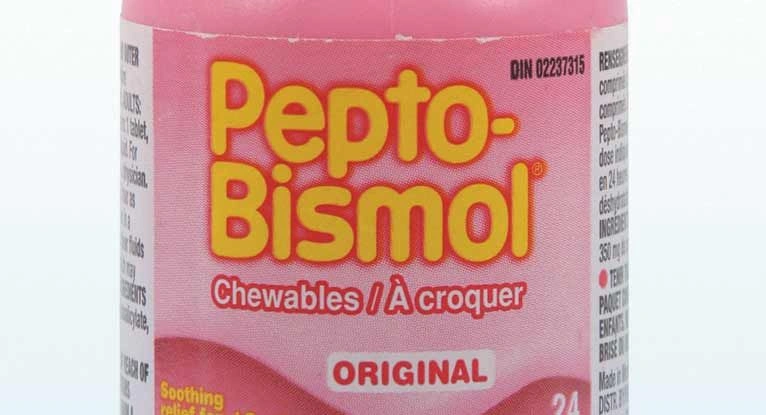
Imodium A-D and Pepto-Bismol are both over-the-counter medications commonly used to relieve diarrhea. However, Pepto-Bismol can also address several additional digestive complaints beyond loose stools.
If you’re experiencing uncomfortable gastrointestinal symptoms, you may be wondering can you take imodium and pepto-bismol together for faster relief. While both products are designed to manage diarrhea, they work differently in the body and are not typically recommended for simultaneous use. This side-by-side comparison outlines how each medication works, their key differences, safety considerations, and how to choose the most appropriate option for your symptoms.
Imodium A-D vs. Pepto-Bismol
Both Imodium A-D and Pepto-Bismol are available without a prescription and are widely used for short-term diarrhea relief. That said, their mechanisms of action and symptom coverage differ. Pepto-Bismol offers broader digestive symptom control, while Imodium A-D specifically targets diarrhea.
The tables below highlight essential features of each medication.
| Active ingredient | Imodium A-D | Pepto-Bismol |
| loperamide hydrochloride | X | |
| bismuth subsalicylate | X |
| Symptom(s) treated | Imodium A-D | Pepto-Bismol |
| diarrhea | X | X |
| upset stomach | X | |
| heartburn | X | |
| nausea | X | |
| indigestion | X |
| Forms and strengths | Imodium A-D | Pepto-Bismol |
| oral capsule | 2 mg | not available |
| oral caplet | 2 mg | 262 mg |
| chewable tablet | 2 mg | 262 mg |
| oral liquid | 1 mg/5 mL, 1 mg/7.5 mL | 262 mg/15 mL, 525 mg/15 mL |
How they work
Both medications help decrease the movement of fluids and electrolytes into the intestines, which can reduce the severity of diarrhea. However, their actions in the digestive tract are not identical.
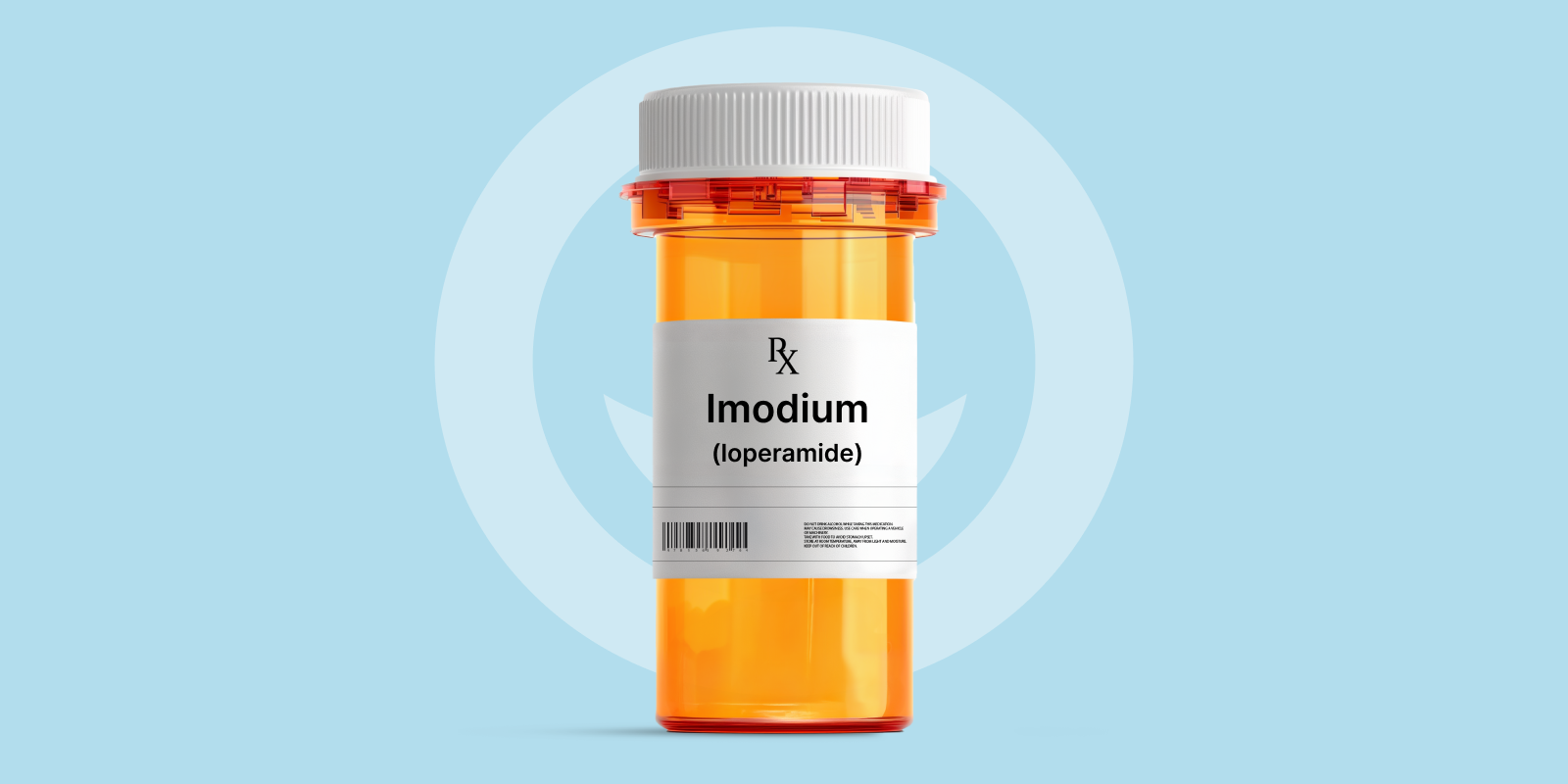
Imodium A-D contains loperamide hydrochloride, which slows intestinal motility. By reducing the speed at which stool moves through the gut, it lowers stool frequency and volume, helping stools become more formed.
Pepto-Bismol contains bismuth subsalicylate. It works by calming inflammation in the gastrointestinal lining and targeting certain bacteria that can trigger diarrhea. Because of this, it may be especially helpful for digestive upset related to mild infections or dietary indiscretions. If you’re comparing options for food-related illness, you may find this detailed guide on Imodium vs Pepto for food poisoning useful.

Dosage
One key distinction between these medications involves pediatric use. Imodium A-D may be used in children younger than 12 years, depending on age and dosing guidelines. In contrast, Pepto-Bismol is generally intended for individuals aged 12 years and older. This difference can be important when selecting a treatment for a child with diarrhea.
For adults using Imodium A-D to manage traveler’s diarrhea, do not exceed 8 mg per day for more than two days unless your healthcare provider advises otherwise. Sticking to recommended doses is essential to avoid complications and unnecessary side effects.
If you are still wondering can you take imodium and pepto-bismol together for more severe symptoms, it’s best to speak with a healthcare professional first. In most cases, combining them does not enhance effectiveness and may increase the likelihood of adverse effects. You can also review guidance on how soon can you take imodium after taking pepto-bismol if switching between products.
Side effects and warnings
When taken at the recommended dosages, both medications are generally well tolerated. Most individuals experience minimal or no side effects. Problems are more likely to occur if higher-than-recommended amounts are used.
It can sometimes be difficult to determine whether symptoms are due to the medication or the underlying diarrhea itself. Common side effects reported with both products include:
- dizziness
- constipation
- headache
- stomach pain
- drowsiness
- nausea
- vomiting
Imodium A-D may additionally cause dry mouth or a sensation of abdominal fullness. Pepto-Bismol can temporarily darken your stools or tongue. Although this discoloration may appear alarming, it is harmless and resolves after stopping the medication.
Serious side effects
Serious reactions are uncommon but possible. With Imodium A-D, a severe allergic reaction may occur, with symptoms such as:
- rash
- difficulty breathing
- skin blisters or peeling
Pepto-Bismol may cause ringing in the ears, which can indicate that too much of the medication has been taken. If you notice this symptom, discontinue use and seek medical advice promptly.
Interactions
Drug interactions can happen when certain medications are taken together, potentially reducing effectiveness or increasing the risk of side effects. For this reason, the question can you take imodium and pepto-bismol together is important. Using both at the same time is not typically advised, as overlapping side effects—such as constipation or abdominal discomfort—may become more pronounced without providing additional benefit.
If you are currently taking other prescription or over-the-counter medications, consult your healthcare provider before starting either product. The following table outlines examples of drugs that may interact with Imodium A-D or Pepto-Bismol.
| Imodium A-D interacting drugs | Pepto-Bismol interacting drugs |
| drugs for fungal infections | diabetic medications |
| drugs for psychiatric disorders | methotrexate |
| antibiotics | aspirin |
| drugs for cholesterol | gout medications |
| metoclopramide | blood thinners (anticoagulants) |
| angiotensin-converting enzyme (ACE) inhibitors | |
| Ibuprofen | |
| naproxen |
Other conditions
Certain medical conditions may influence whether one of these medications is appropriate for you. The chart below lists examples of health conditions that may affect safe use.
| Imodium A-D | Pepto-Bismol |
| acute dysentery | active bleeding ulcer |
| intestinal bacterial infection | bleeding disorder |
| ulcerative colitis | kidney disease |
| liver disease | gout |
| diabetes |
If you have any of the above conditions, speak with your doctor before using Imodium A-D or Pepto-Bismol. In some cases, an alternative treatment may be safer and more effective.
Pharmacist’s advice
Overall, both Imodium A-D and Pepto-Bismol are considered safe and effective short-term options for managing diarrhea in otherwise healthy individuals. Still, a few practical differences may guide your choice:
- Pepto-Bismol addresses additional symptoms such as heartburn, nausea, and indigestion, while Imodium A-D is specifically formulated to control diarrhea.
- Imodium A-D may be used in children as young as 2 years under proper guidance, whereas Pepto-Bismol is generally limited to those 12 years and older.
- The active ingredient in Pepto-Bismol can temporarily darken the tongue and stools, which is harmless but sometimes concerning if unexpected.
Whichever product you select, use it strictly according to label instructions. Do not continue either medication for more than two days unless directed by a healthcare professional. If your diarrhea persists beyond this timeframe, worsens, or is accompanied by symptoms such as fever or dehydration, seek medical evaluation promptly.






















Leave a Reply
You must be logged in to post a comment.