
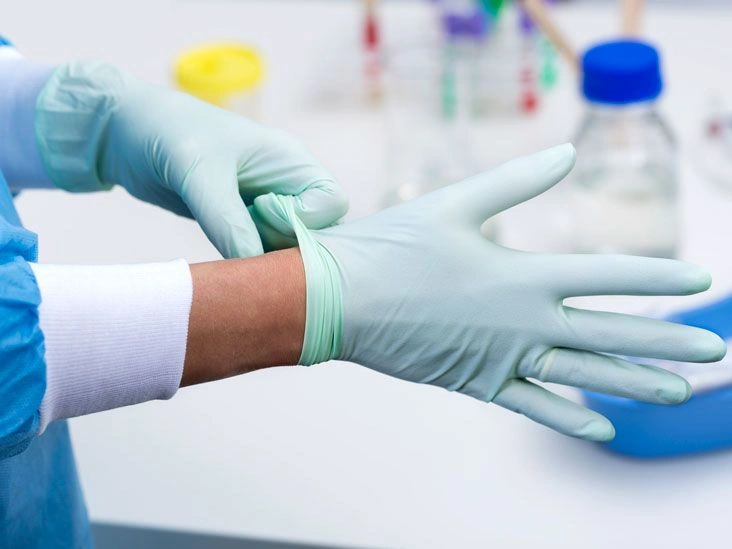
An enema is a procedure designed to trigger bowel evacuation, most often to ease constipation. The exact method depends on the type of enema being used and whether it’s performed at home or in a clinical setting.
This process works by helping the body eliminate stool from the rectum when a natural bowel movement isn’t occurring. Enema kits can be purchased at pharmacies for home use; however, it’s essential to receive detailed guidance from a doctor or nurse to prevent injury or complications.
Some enemas are also performed to clear the colon before diagnostic procedures, improving the detection of colon cancer and polyps. If you experience unusual discomfort or worsening symptoms after an enema, seek medical attention promptly.
What is an enema administration used for?
Constipation is a frequent gastrointestinal issue that occurs when the colon cannot effectively move waste out through the rectum. Individuals with constipation typically have three or fewer bowel movements within seven days. Mild cases often develop when dietary fiber intake is low or hydration is insufficient. Regular physical activity can also support healthy bowel motility and help reduce constipation risk.
Enema administration is generally reserved for cleansing the lower bowel and is often considered a last-line option when managing constipation. If lifestyle measures such as increased fiber, adequate fluid intake, and exercise do not resolve symptoms, a doctor may suggest a laxative before recommending an enema. In certain situations, laxatives are taken the evening prior to an enema to promote stool movement.
Enemas are also commonly used before specific medical evaluations of the colon. For example, a doctor may request an enema prior to an X-ray of the colon to enhance visualization of polyps and other abnormalities. Similarly, bowel preparation may be necessary before a colonoscopy to ensure a clear view of the intestinal lining.
Learn more: Colonoscopy »
Types of enemas
Several standard types of enemas are used depending on the intended purpose.
A cleansing enema is intended to gently rinse the colon. It is often recommended before a colonoscopy or similar examination. Some individuals report relief from constipation, fatigue, headaches, and backaches after a cleansing enema. This type typically involves a water-based solution combined with a small amount of stool softener, baking soda, or apple cider vinegar to stimulate large intestine movement. A properly administered cleansing enema should prompt the bowels to expel both the liquid solution and impacted stool.
A retention enema also activates the bowels, but the solution is meant to be retained in the body for at least 15 minutes or longer. These enemas may contain medicated solutions prescribed for specific therapeutic purposes.
Preparing for an enema
Before undergoing an enema, you may be instructed to fast or adhere to particular dietary guidelines in the days leading up to the procedure. Recommendations vary depending on your physician’s advice and your overall health status.
If you plan to perform an enema at home, ensure that all equipment is thoroughly sterilized and that you have an appropriate lubricant available. Preparation of the enema solution should be done carefully, especially if it requires mixing medicinal ingredients. For guidance on safe lubrication options, you may find it helpful to read Can you use Vaseline as lube for suppository, as similar considerations apply to rectal procedures.
To minimize abdominal pressure, empty your bladder before starting. Placing a towel or protective cloth between the bathtub and toilet can help manage any accidental leakage when moving to evacuate your bowels. When using an enema tube for the first time, carefully measure and mark it to avoid inserting it more than 4 inches into the rectum, which helps reduce the risk of injury.
How an enema is administered
At a medical office
If you have never had an enema, having it performed by a healthcare professional may be advisable. Medical staff can also provide detailed instructions for over-the-counter home kits. Always consult your doctor before using any enema product.
Certain enemas are administered exclusively in healthcare settings. A barium enema, for instance, uses a liquid compound that highlights specific regions of the gastrointestinal tract, allowing clearer imaging during diagnostic exams. Barium enemas are not intended for constipation relief.
At home
Home enemas can be performed privately and are typically more cost-effective. Still, it’s important to review proper technique with your doctor beforehand. Because the procedure involves a sensitive area, assistance from a trusted person may be helpful.
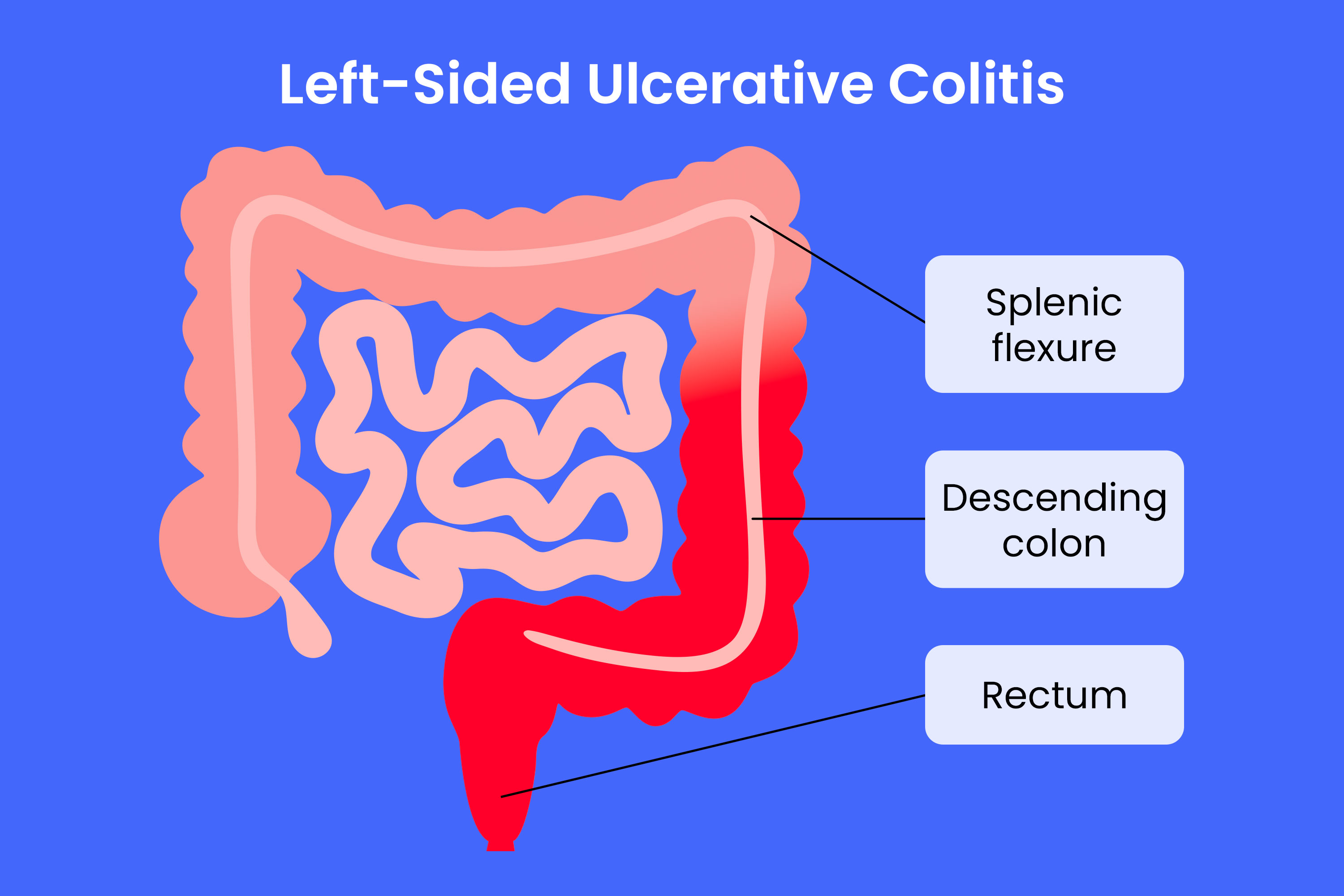
Enemas use a saline solution placed in a bag attached to tubing. The opposite end is lubricated and gently inserted into the rectum. To help the solution flow effectively into the colon, lie on your stomach or left side and draw your knees toward your chest. This left-side position is often recommended because it aligns with the natural curve of the sigmoid colon, promoting smoother fluid distribution. Here are general instructions:
- Fill the enema bag with your prepared solution using warm water. Confirm that the clamp is closed. Hold the bag with the hose pointed downward and briefly open the clamp to release any trapped air bubbles, as introducing air into the colon should be avoided.
- Hang the bag near the bathtub so it is accessible while you lie on your left side.
- Lubricate the tip of the tube to ease insertion, and gently insert it no more than 4 inches into the rectum. Bearing down slightly can help relax the anal muscles during insertion. Remain on your left side with knees drawn toward your chest.
- Allow the fluid to flow into your rectum, breathing slowly and monitoring the bag until it empties.
- Carefully remove the nozzle from your rectum.
- You will likely feel the urge to have a bowel movement shortly afterward. For a cleansing enema, stand carefully and move to the toilet. If performing a retention enema, follow the specific instructions provided.
After administration, many people wonder about timing and bowel movements. For more detailed guidance, see How long after suppository can I poop, as similar timing principles may apply depending on the type of rectal treatment used.
Enema administration results
After the solution has fully entered the colon, a bowel movement typically occurs within an hour. If you are unable to pass stool, contact your doctor, as you may need to repeat the procedure at a later time. A successful enema results in the elimination of waste from the rectum.
What the research says about enemas
Many holistic practitioners advocate enemas as a method of internal cleansing. However, within Western medicine, there is limited conclusive evidence supporting the long-term health benefits of routine home enemas. Occasional use for “colon irrigation” or constipation relief is unlikely to cause harm when sterile equipment is used and directions are followed carefully. Nevertheless, enemas are not without risk.
Potential risks of enema administration
When performed correctly under medical guidance, enemas are generally considered safe. After a barium enema, stools may appear white for several days, which is a normal effect of barium and should resolve on its own. If bowel movements do not resume, consult your doctor for advice.
Forcing the enema tube into the rectum can irritate or injure surrounding tissues. Never push the tube if you encounter resistance. Persistent pain, bleeding, or difficulty should prompt immediate medical evaluation. Blood in the stool after an enema may indicate rectal injury or an underlying medical issue and requires urgent attention.
The likelihood of complications increases with frequent daily use. Typically, enemas should be used once per day and around the same time if directed by a physician. This schedule may help regulate bowel habits while reducing side effects. If constipation persists beyond a few days, seek medical advice.
In extremely rare instances, improper administration can lead to an embolism (blockage), including pulmonary embolisms in the lungs, which can be fatal. Rarely, an incorrectly performed barium enema may result in perforation of the rectum.
Older adults should avoid using the over-the-counter “Fleet” enema containing sodium phosphate. A small study in JAMA Internal Medicine linked its use to serious complications such as kidney failure.
After an enema
Some individuals experience additional bowel movements in the hours following an enema. For this reason, many choose to remain at home for the rest of the day. In most cases, you can resume normal daily activities once the enema process is complete and you feel comfortable.





















Leave a Reply
You must be logged in to post a comment.