
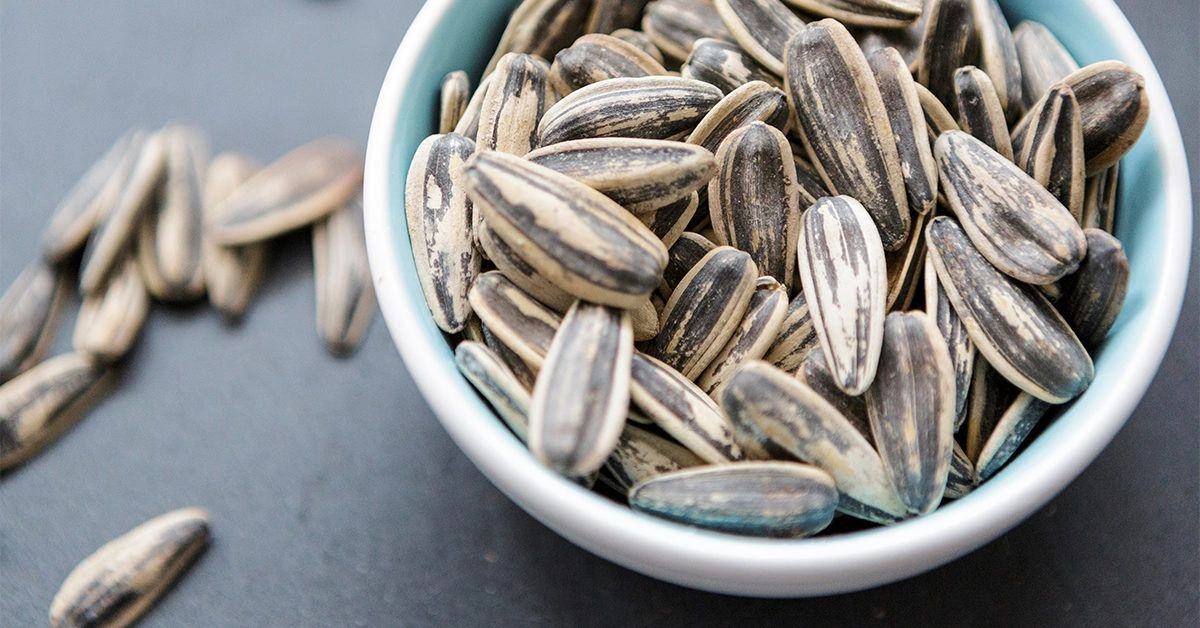
Sunflowers are packed with heart-healthy fats, valuable plant compounds, and a wide range of vitamins and minerals that may contribute to lowering your risk of common chronic conditions, including heart disease and type 2 diabetes.
Sunflower seeds are a favorite addition to trail mix blends, multi-grain breads, nutrition bars, and are often enjoyed as a convenient snack straight from the bag.
This comprehensive guide covers everything you need to know about sunflower seeds — including their nutritional profile, health advantages, possible concerns such as Sunflower seeds side effects for female breast, and practical ways to incorporate them into a balanced diet.
What are sunflower seeds?
Sunflower seeds are technically the fruits of the sunflower plant (Helianthus annuus).
They are collected from the plant’s large flower heads, which can measure over 12 inches (30.5 cm) across. A single sunflower head can yield as many as 2,000 seeds.
There are two primary categories of sunflower crops. One variety is cultivated for edible seeds, while the other — more commonly farmed — is grown for oil production.
The edible sunflower seeds are enclosed in black-and-white striped shells, often referred to as hulls. In contrast, oilseed varieties typically have solid black shells.
These seeds offer a subtle, nutty taste and a firm yet tender bite. They are frequently roasted to intensify their flavor, though raw versions are also widely available.
Nutritional value
Despite their small size, sunflower seeds deliver an impressive concentration of nutrients.
The primary nutrients in 1 ounce (28.35 grams or 1/4 cup) of shelled, dry roasted sunflower seeds include:
- Calories: 165
- Total fat: 14.1 grams
- Protein: 5.5 grams
- Carbs: 6.8 grams
- Fiber: 3.2 grams
- Vitamin E: 49% of the Daily Value (DV)
- Niacin: 13% of the DV
- Vitamin B6: 13% of the DV
- Folate: 17% of the DV
- Pantothenic acid: 40% of the DV
- Iron: 6% of the DV
- Magnesium: 9% of the DV
- Zinc: 14% of the DV
- Copper: 58% of the DV
- Manganese: 26% of the DV
- Selenium: 41% of the DV
Sunflower seeds are particularly rich in vitamin E and selenium. These nutrients act as antioxidants, shielding your cells from free radical damage, which is linked to several chronic diseases.
They also provide beneficial plant compounds such as phenolic acids and flavonoids, which further support antioxidant activity and cellular protection.
When sunflower seeds are sprouted, their plant compounds increase. Sprouting may also decrease substances that interfere with mineral absorption, potentially improving nutrient bioavailability. Sprouted, dried sunflower seeds can be found online and in select grocery stores.
Health benefits
Sunflower seeds may support lower blood pressure, cholesterol, and blood sugar levels due to their content of vitamin E, magnesium, protein, linoleic fatty acids, and various plant compounds.
In addition, emerging research associates sunflower seed consumption with several other positive health outcomes.
Inflammation
Short-term inflammation is a normal immune defense, but chronic inflammation is associated with many long-term diseases.
Elevated blood levels of C-reactive protein, an inflammatory marker, are linked to an increased risk of heart disease and type 2 diabetes.
In a study involving over 6,000 adults, individuals who reported eating sunflower seeds and other seeds at least five times per week had 32% lower C-reactive protein levels compared to those who did not consume seeds.
Although observational studies cannot confirm direct cause and effect, vitamin E — abundant in sunflower seeds — is known to help lower C-reactive protein levels.
Flavonoids and other plant compounds in sunflower seeds may also contribute to reducing inflammatory processes in the body.
Heart disease
High blood pressure is a significant risk factor for heart disease, potentially leading to heart attack or stroke.
Compounds in sunflower seeds, including bioactive peptides, may promote relaxation of blood vessels by blocking enzymes responsible for vessel constriction. Magnesium further supports healthy blood pressure regulation.
Sunflower seeds are also high in unsaturated fatty acids, particularly linoleic acid. The body uses linoleic acid to produce hormone-like substances that relax blood vessels, which may contribute to lower blood pressure and improved cholesterol levels.
In a 3-week study, women with type 2 diabetes who consumed 1 ounce (30 grams) of sunflower seeds daily within a balanced diet experienced a 5% reduction in systolic blood pressure.
Participants also reported decreases of 9% in LDL cholesterol and 12% in triglycerides.
Additionally, a review of 13 studies found that individuals with the highest linoleic acid intake had a 15% lower risk of heart disease events and a 21% lower risk of death from heart disease compared to those with the lowest intake.
A 2020 study involving 60 obese males found that consuming bread made with sunflower seed flour for four months resulted in significant reductions in weight, BMI, total cholesterol, LDL cholesterol, and triglycerides.
Diabetes
The impact of sunflower seeds on blood glucose and type 2 diabetes has been evaluated in several studies, with encouraging findings, though additional research is warranted.
Studies suggest that consuming 1 ounce (30 grams) of sunflower seeds daily as part of a nutritious diet may reduce fasting blood sugar by approximately 10% over six months, compared to diet alone.
This glucose-lowering effect may be partly attributed to chlorogenic acid, a plant compound found in sunflower seeds.
Research also indicates that incorporating sunflower seeds into foods such as bread may lessen the impact of carbohydrates on blood sugar levels. The seeds’ protein, fat, and fiber content slow gastric emptying, allowing for a steadier release of glucose.
Potential downsides
Although sunflower seeds offer many health benefits, there are some potential drawbacks to consider — particularly when evaluating concerns like Sunflower seeds side effects for female breast, hormonal balance, or calorie intake. For a broader overview, see Sunflower seeds side effects for female and Sunflower seeds benefits for female.
Calories and Sodium
While nutrient-dense, sunflower seeds are relatively high in calories.
Choosing seeds in the shell may help moderate intake, as cracking each shell naturally slows eating and portion size.
However, if you are monitoring sodium consumption, note that many commercially prepared shells are coated with salt. Nutrition labels may only list values for the edible kernels.
Reduced-sodium options are available from certain brands.
Cadmium
Another reason to consume sunflower seeds in moderation is their cadmium content. Prolonged exposure to high levels of this heavy metal may negatively affect kidney health.
Sunflowers naturally absorb cadmium from soil, leading to slightly higher concentrations in their seeds compared to many other foods.
The WHO recommends a weekly intake limit of 7 mcg per kg of body weight. For a 154-pound (70-kg) adult, this equals 490 micrograms (mcg) weekly.
In one study, individuals who consumed 9 ounces (255 grams) of sunflower seeds weekly for a year increased their estimated cadmium intake from 65 mcg to 175 mcg per week. Importantly, this did not elevate blood cadmium levels or impair kidney function.
Moderate intake — such as 1 ounce (30 grams) daily — is generally considered safe.
Sprouted seeds
Sprouting seeds has become increasingly popular due to perceived nutritional advantages.
However, raw sprouted seeds can occasionally harbor harmful bacteria like Salmonella, which thrive in warm, moist environments.
This is especially relevant for raw sprouted sunflower seeds that have not been heated above 118℉ (48℃).
Drying sprouted seeds at temperatures of 122℉ (50℃) or higher has been shown to significantly reduced Salmonella presence.
If contamination is identified, affected products may be recalled. Avoid consuming any recalled items.
Stool blockages
Consuming excessive quantities of sunflower seeds at once has, in rare cases, led to fecal impaction in both children and adults.
Eating seeds with their shells increases this risk, as shell fragments are indigestible and may accumulate in the digestive tract.
Severe impaction may require removal under general anesthesia. Symptoms can include abdominal pain, nausea, and leakage of liquid stool around the blockage.
Allergies
Although sunflower seed allergies are uncommon, cases have been documented. Reactions may involve asthma, oral swelling, itching, hay fever, skin rashes, vomiting, or anaphylaxis.
Allergenic proteins are present in the seeds. Sunflower seed butter can be just as allergenic as whole seeds.
Refined sunflower oil typically contains minimal allergenic proteins, though rare reactions to trace amounts in the oil have been reported.
Sunflower seed allergies are more frequently seen in individuals with occupational exposure, such as farmers and bird breeders.
At home, feeding pet birds sunflower seeds may release allergens into the air. Children may also become sensitized through skin contact with damaged skin.
Some individuals have developed contact allergies from touching sunflower seeds, leading to itchy, inflamed hands.
Tips for eating
Sunflower seeds are available either in-shell or as shelled kernels.
In-shell seeds are commonly cracked open with the teeth, and the shells are discarded. They are especially popular at sporting events and outdoor gatherings.
Shelled seeds are highly versatile. You can:
- Mix into trail mix.
- Add to homemade granola bars.
- Sprinkle over leafy salads.
- Stir into hot or cold cereals.
- Top fruit or yogurt parfaits.
- Incorporate into stir-fries.
- Blend into tuna or chicken salad.
- Scatter over sautéed vegetables.
- Add to veggie burgers.
- Use instead of pine nuts in pesto.
- Top casseroles.
- Grind and use as a coating for fish.
- Mix into baked goods like bread and muffins.
- Dip fruit into sunflower seed butter.
During baking, sunflower seeds may develop a blue-green tint due to a harmless chemical reaction between chlorogenic acid and baking soda. Reducing baking soda can minimize this effect.
Because of their high fat content, sunflower seeds can become rancid if improperly stored. Keep them in an airtight container in the refrigerator or freezer to preserve freshness.
The bottom line
Sunflower seeds are a crunchy, flavorful snack and a nutritious addition to many meals.
They provide essential nutrients and plant compounds that may help combat inflammation, heart disease, and type 2 diabetes.
However, they are calorie-dense and may cause unwanted effects if consumed excessively, so moderation remains key for optimal health.



















Leave a Reply
You must be logged in to post a comment.