

A burning sensation in the back may result from an injury, inflammation, or an underlying medical condition. In some cases, emotional stress can also play a role. Understanding How to relieve burning pain in upper back begins with identifying the root cause, as treatment strategies vary depending on what’s triggering the discomfort.
Back pain is among the most common health concerns worldwide and a leading reason people seek medical care or miss work. While some individuals experience pain that is:
- dull
- persistent
- sharp or shooting
Others report a distinct burning or stinging feeling in the upper back, which may be linked to:
- an injury
- inflammation
- muscle strain
- other underlying causes
This guide explains what may cause a burning sensation in the upper back and outlines effective treatment approaches to help manage symptoms and improve comfort.
Symptoms
A burning type of pain differs from other forms of back discomfort. Many describe it as prickling, stinging, or similar to an electric shock between the shoulder blades or along either side of the spine. Some people specifically notice a Burning sensation in middle of back that intensifies with movement or prolonged sitting.
Additional symptoms may accompany the burning feeling. These can include neck pain or radiating discomfort that spreads to:
- the arms
- the chest
- down one leg
Upper back pain may also reduce flexibility and restrict your range of motion, making everyday activities like reaching, twisting, or lifting more difficult.
Causes
Several conditions can contribute to a burning, stinging sensation in the upper back. Determining the exact cause is essential when considering How to relieve burning pain in upper back effectively.
Stress
Various life stressors can trigger tension, including:
- work demands
- family responsibilities
- health concerns
- financial strain
Stress doesn’t just affect emotional well-being — it can also produce physical symptoms. Heightened stress levels often lead to muscle tightness, particularly in the neck and shoulder region.
This muscle tension may create a constant ache or burning sensation between the shoulder blades and around the upper spine. Over time, chronic stress can worsen pain perception and prolong recovery if not properly managed.
Muscle strain
A back injury or excessive use of back muscles can also cause a burning, stinging feeling in the upper back. This may occur after:
- lifting heavy objects
- sudden twisting movements
- intense exercise
- sports participation
- other back injuries
Muscle strains can develop anywhere along the back, including between the shoulder blades or on either side of the spine. Some people experience symptoms similar to Burning pain in back at bra line, especially after repetitive strain or poor posture.
In certain cases, strain-related discomfort may radiate toward the chest. Symptoms often worsen with continued activity or repeated stress on the affected muscles.
Spinal misalignment
Spinal misalignment is another possible cause of burning upper back pain. Contributing factors may include:
- a fall or car accident
- poor posture
- sleeping in an awkward position
- repetitive movements
Misalignment can place pressure on surrounding nerves and soft tissues, leading to discomfort between the shoulder blades or into the neck.
Herniated disc
Discs are rubbery cushions located between the vertebrae in your spine. A herniated disc occurs when one of these discs moves out of position and compresses a nearby nerve.
Nerve compression in the neck or upper back commonly produces burning pain on either side of the spine, often accompanied by a heated or tingling sensation around the neck and shoulders.
Other possible symptoms include muscle weakness and spasms. Herniated discs may develop after trauma such as:
- a fall
- an accident
- an improper movement
However, age-related degeneration and general wear and tear can also lead to disc herniation without a specific injury.
Rheumatic conditions
Several rheumatic conditions may contribute to upper back pain, including:
- arthritis
- osteoarthritis
- lupus
Other auto-inflammatory disorders can affect the:
- joints
- tendons
- muscles
- bones throughout the body — including the spine
In these conditions, an overactive immune system mistakenly attacks healthy tissue, resulting in chronic inflammation.
This inflammatory response can cause sharp, stabbing discomfort along with a persistent burning sensation between the shoulder blades or on one side of the upper back.
Spinal tumors
Tumors forming along the spine can also cause a burning or stinging sensation in the upper back. Depending on the tumor’s location, neck pain may also occur.
Spinal tumors may be malignant or benign and can produce additional symptoms such as:
- muscle weakness
- difficulty walking
- an inability to feel heat or cold
Because these symptoms can indicate serious conditions, prompt medical evaluation is essential.
How to treat upper back pain
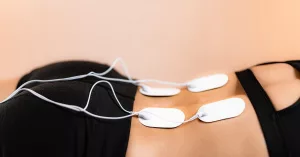
There are several ways to manage a burning sensation in the upper back, and the appropriate treatment depends on the diagnosis.
OTC medications
The following over-the-counter options may help decrease inflammation and ease burning discomfort:
- nonsteroidal anti-inflammatory drugs (NSAIDs)
- ibuprofen
- naproxen sodium
These medications are often helpful for mild to moderate inflammation caused by muscle strain or minor injury.
Prescription medications
If over-the-counter treatments are ineffective, a doctor may suggest prescription medications or topical therapies. These may include:
- muscle relaxants
- opioids
- corticosteroids
Prescription treatments can address upper back pain linked to:
- injuries
- muscle sprains
- herniated discs
- spinal stenosis
- arthritic conditions
- bone spurs
Corticosteroids may be administered via injection or prescribed in oral form to reduce significant inflammation.
Physical therapy
While medication can help control inflammation, additional therapy is sometimes necessary. Physical therapy can improve:
- flexibility
- back strength
- range of motion
Enhancing these physical functions may reduce pain related to:
- herniated discs
- spinal stenosis
- arthritic conditions
- spinal misalignment
A structured rehabilitation program may also teach posture correction and body mechanics, both of which are important when learning How to relieve burning pain in upper back long term.
Surgery
In cases involving a spinal tumor, a doctor may recommend the following treatments to shrink or eliminate cancerous cells:
- surgery
- radiation
- chemotherapy
Additionally, nonsurgical treatments may not resolve conditions such as:
- herniated discs
- spinal stenosis
- bone spurs
When nerve compression persists, surgery may be necessary to relieve pressure and reduce ongoing back pain.
Relaxation
If stress is contributing to upper back and neck discomfort, adopting stress management techniques can provide relief. Helpful approaches include:
- setting realistic expectations
- recognizing personal limits
- engaging in regular physical activity
- taking mental breaks
- ensuring adequate rest
If stress remains difficult to manage, consulting a doctor or mental health professional can help create a personalized treatment strategy.
Home remedies for upper back pain
In addition to medication, home-based strategies may ease a burning sensation in the upper back and support recovery.
- Hot or cold therapy. For sudden pain caused by injury or muscle strain, cold therapy can help limit inflammation. Wrap an ice pack in a towel and apply it to the affected area for no more than 20 minutes at a time. For chronic stiffness or tension, heat therapy may be more beneficial, as it relaxes muscles and promotes blood flow. Use a heating pad for 15 to 20 minutes per session.
- Get enough sleep. Sleep deprivation can heighten stress and intensify back pain. Aim for at least seven hours of sleep nightly. Maintain a calming bedtime routine and avoid stimulating activities before sleep.
- Exercise. Increasing physical activity supports circulation, strengthens spinal muscles, and may reduce inflammation. Strive for 30 minutes of light exercise at least five days per week. Low-impact activities like walking, stretching, or yoga can be particularly helpful.
When to speak with a doctor
Some cases of upper back pain improve within a few days or weeks using home remedies and over-the-counter medications.
However, if your symptoms persist, intensify, or are accompanied by weakness, numbness, or difficulty walking, seek medical attention. A doctor may order diagnostic imaging such as X-rays or MRIs to identify the cause and recommend appropriate treatment.
Takeaway
Back pain can be debilitating, interfering with daily activities and reducing overall quality of life.
Effective relief is possible. Whether your symptoms stem from injury, inflammation, stress, or nerve compression, consulting a healthcare professional is an important step in understanding How to relieve burning pain in upper back. Targeted therapy can reduce inflammation, ease discomfort, and help restore mobility so you can return to your normal routine.




















Leave a Reply
You must be logged in to post a comment.