
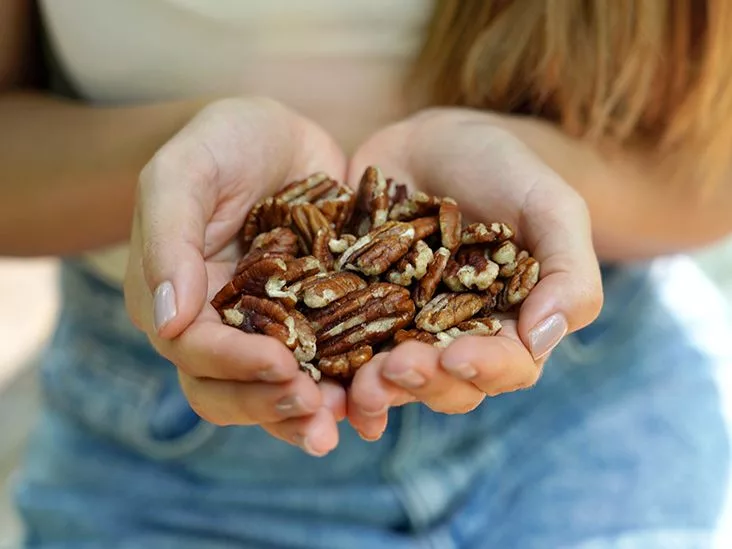
Hey there, friend! Ever wonder if that crunchy handful of pecans you love could actually be a secret superhero for your ticker? The short answer is: absolutely—if you enjoy them the right way. Pecans are packed with plant sterols, heart‑healthy fats, fiber, and antioxidants that can lower “bad” cholesterol, tame triglycerides, and keep your arteries feeling young. But, as with any good thing, moderation and smart choices matter. Let’s dive into the science, the tasty ways to eat them, and the little caveats you should keep in mind.
Cholesterol Impact
Plant Sterols: Nature’s Cholesterol Blockers
First up, plant sterols. They look a lot like cholesterol, but your body prefers to absorb them instead of the real thing. When plant sterols sit in the gut, they basically say “no thanks” to dietary cholesterol, helping your liver flush the excess out. Pecans are a solid source of these sterols, and studies have shown that swapping a regular snack for a handful of pecans can shave a noticeable amount off your LDL (the “bad” cholesterol).
Healthy Fats That Lower LDL
Pecans are practically a liquid gold of monounsaturated (MUFA) and polyunsaturated fatty acids (PUFA). About 60 % of their fat is MUFA and another 30 % is PUFA—both proven to reduce LDL cholesterol when they replace saturated fats in the diet. In a 2025 randomized trial, participants who ate 57 g (roughly two ounces) of pecans each day saw their LDL drop by up to 9.5 % after just eight weeks. That’s a real number you can feel good about.
Study Snapshot
| Study | Duration | Pecan Dose | LDL Change |
|---|---|---|---|
| 2025 RCT (American Journal of Clinical Nutrition) | 8 weeks | 57 g/day | ‑9.5 % |
| 2021 Clinical Trial | 12 weeks | ≈ 30 g/day | ‑6 %–9 % |
How It Works: A Quick Mechanism
Think of your arteries as a busy highway. Saturated fats are like slow‑moving trucks that cause traffic jams (plaque buildup). MUFAs and PUFAs are sleek electric cars that zip by, keeping traffic flowing. By swapping the trucks for the cars—via pecans—you help keep the road clear.
Triglyceride Benefits
Pecans Tame Blood Fats
Triglycerides are another type of blood lipid that, when high, can raise heart disease risk. The same 2025 study noted a significant reduction in triglyceride levels among participants who replaced their usual snacks with pecans. The combination of healthy fats and soluble fiber slows the absorption of sugars, preventing the liver from turning excess carbs into triglycerides.
Why It Matters
High triglycerides often ride shotgun with high LDL, especially in people with metabolic syndrome. By lowering both, pecans give you a double‑dose of protection without any extra effort—just reach for the nut bowl.
Fat Profile
MUFA vs. PUFA vs. Saturated Fat
Let’s break down the numbers. One ounce (about 20 halves) of pecans contains roughly 20 g of total fat. Of that, 12 g are MUFA, 6 g are PUFA, and only 1.8 g are saturated fat. By contrast, the same calorie amount of butter would deliver over 7 g of saturated fat and virtually no MUFA or PUFA.
Quick‑Look Comparison
| Food | Total Fat (g) | MUFA (g) | PUFA (g) | Saturated Fat (g) |
|---|---|---|---|---|
| Pecans (1 oz) | 20.4 | 12 | 6 | 1.8 |
| Almonds (1 oz) | 14 | 9 | 3.5 | 1.1 |
| Butter (1 oz) | 23 | 0.5 | 0.2 | 7.5 |
Why the Balance Helps
Those MUFAs and PUFAs improve the fluidity of cell membranes, reduce inflammation, and make it easier for your body to clear out LDL particles. In short, they keep your heart’s plumbing in top shape.
Fiber & Antioxidants
Soluble Fiber Binds Cholesterol
Even though pecans aren’t the highest‑fiber nut, they still deliver about 1 g of soluble fiber per ounce. Soluble fiber forms a gel in your gut that can trap cholesterol and prevent its absorption. Think of it as a friendly net catching the bad particles before they get a chance to cause trouble.
Powerhouse Antioxidants
Pecans are loaded with vitamin E (particularly γ‑tocopherol) and flavan‑3‑ols, a type of polyphenol that fights oxidative stress. Oxidation is the sneaky process that turns good cholesterol (HDL) into a villain, damaging arterial walls. By neutralizing free radicals, pecan antioxidants help keep those walls smooth.
Evidence from 2003 Research
A Loma Linda University study published in 2003 found that a daily handful of pecans reduced the oxidation of blood lipids, a key step in preventing coronary heart disease. The researchers noted the “superfood” status of pecans thanks to these compounds.
Smart Snacking
Portion Size & Frequency
The FDA’s qualified health claim says that eating 1.5 oz (about 45 g) of most nuts—including pecans—each day as part of a diet low in saturated fat may reduce heart disease risk. That translates to roughly a small handful a day, three to four times a week. It’s enough to reap benefits without over‑loading on calories.
Easy, Heart‑Healthy Ideas
- Plain roasted pecans with a pinch of sea salt—keep the sodium low.
- Chopped pecans tossed into a spinach‑strawberry salad with a drizzle of balsamic vinaigrette.
- Pecan‑cinnamon yogurt parfait: layer Greek yogurt, fresh berries, and a sprinkle of chopped pecans.
- Homemade trail mix: pecans, unsweetened dried cranberries, and a few dark‑chocolate chips.
Recipe Snippet: Pecan‑Cinnamon Yogurt Parfait
1 cup plain Greek yogurt, ½ cup fresh mixed berries, 2 tbsp chopped pecans, 1 tsp cinnamon, and a drizzle of honey (optional). Layer and enjoy—a snack that fuels your heart and satisfies your sweet tooth.
Choosing the Right Product
Look for “unsalted” or “lightly roasted” on the label. The American Heart Association’s Heart‑Check certification guarantees low saturated fat and sodium. If you see “candied” or “honey‑glazed,” the extra sugars can cancel out many of the heart‑friendly benefits.
Potential Risks
Calorie Density – Moderation Is Key
Pecans are calorie‑dense (about 196 kcal per ounce). It’s easy to over‑eat, especially when you’re mindlessly snacking while watching TV. Stick to a measured handful; use a small bowl or pre‑portioned packets to keep portions in check.
Allergy Alert
If you have a tree‑nut allergy, pecans are a no‑go. Even a tiny crumb can trigger a reaction, so always read labels carefully and avoid cross‑contamination.
Processed versus Raw
Roasting without added oil is fine, but “salted” or “sugar‑coated” versions add sodium or empty calories. Below is a quick look at how processing changes the nutrient profile.
Raw vs. Roasted vs. Candied
| Type | Calories (per oz) | Saturated Fat (g) | Sodium (mg) | Added Sugars (g) |
|---|---|---|---|---|
| Raw | 196 | 1.8 | 0 | 0 |
| Lightly Roasted | 205 | 2.0 | 5 | 0 |
| Candied | 250 | 2.2 | 10 | 12 |
Expert Insights
Cardiologist Takes a Stand
Dr. Rachel Johnson, a board‑certified cardiologist, says, “Regular consumption of nuts, especially pecans, fits neatly into the Mediterranean and DASH patterns that we recommend for patients at risk of heart disease. The combination of unsaturated fats and plant sterols is a powerful tool for lowering LDL.”
Nutritionist on Everyday Integration
Registered dietitian Maya Patel adds, “I tell my clients to think of pecans as a ‘nutrient capsule.’ A small handful can replace a processed snack, improve satiety, and add a dose of fiber and antioxidants.” She recommends pairing pecans with protein (like Greek yogurt) to keep blood sugar steady.
Research Foundations
Key studies supporting these claims include a 2025 randomized controlled trial in the American Journal of Clinical Nutrition, a 2021 trial showing up to a 9.5 % LDL drop, and a 2003 Loma Linda University investigation into lipid oxidation. All these pieces of evidence underscore that pecans are more than just a tasty treat—they’re a heart‑friendly ally.
Bottom Line
So, what’s the verdict? Pecans are a scientifically backed, heart‑healthy snack when you enjoy them in moderation and choose the right form (raw or lightly roasted, unsalted). Their blend of plant sterols, MUFA/PUFA fats, fiber, and antioxidants can lower LDL cholesterol, reduce triglycerides, and protect against oxidative damage. The simplest way to reap those benefits is to swap that bag of chips for a modest handful of pecans a few times a week, add them to salads or yogurt, and keep an eye on portion size.
Give it a try—pick up a small bag of unsalted pecans on your next grocery run, toss a few into your morning oatmeal, and see how they make you feel. If you’ve already been a fan, share your favorite pecan snack in the comments below. Got questions about how pecans fit into your specific health plan? Don’t hesitate to ask—let’s keep the conversation rolling and help each other keep our hearts happy and strong.




















Leave a Reply
You must be logged in to post a comment.