
Kids with ADHD frequently seem to have endless energy. Activities for children with ADHD that emphasize movement, skill development, and sensory experiences can help redirect that energy into positive channels.
Attention deficit hyperactivity disorder (ADHD) is a prevalent neurodevelopmental condition. It encompasses a wide array of experiences tied to impulsivity, hyperactivity, and inattention, and it presents differently for each child.
Many (though not all) children with ADHD primarily show hyperactivity and impulsivity, which can make them constantly active and flit from one task to another. As a parent or caregiver, continually finding ways to focus that energy can feel challenging.
Activities for children with ADHD don’t need to be elaborate. Simple ideas can be just as captivating as more involved projects.
Learn more about ADHD.
Tips for selecting activities for children with ADHD
When choosing and proposing activities for children with ADHD, prioritizing what the child enjoys while keeping skill growth in mind is a solid starting point.
“Involving children and teens with ADHD in pursuits tailored to their specific needs and likes can support their development and improve well-being,” says Dr. Stephanie Palmer, a licensed clinical psychologist based in Bee Cave, Texas.
She suggests emphasizing empowering activities that encourage physical movement, build organizational habits, and foster time-management skills.
Dr. Tamara Soles, a child psychologist and parenting coach in Montreal, notes that adding outdoor and sensory elements is also an excellent base when choosing an activity.
24 activities for children with ADHD
Each child is unique, and kids at varying developmental stages will be drawn to different types of activities.
Young children
“I adore sensory play for younger kids,” Soles says. “Sensory play helps children with ADHD regulate sensory input and boost focus.”
Sensory activities stimulate a child’s smell, sight, taste, touch, or hearing. Ideas for sensory play include:
- 1. Modeling play dough or clay: Create homemade play dough or use store-bought material to shape figures and spark imagination.
- 2. Shaping kinetic sand: Arrange a station with kinetic sand for molding and building.
- 3. Finger painting: Offer several colors and sheets of paper for creative painting.
- 4. Exploring sensory bins: Fill tubs with items of varied colors, shapes, and textures for tactile exploration.
- 5. Playing with water: Use the bathtub or an outdoor container for water play with toys or washable markers.
- 6. Going on a nature scavenger hunt: Ask kids to find specific natural items such as different rocks, leaves, or insects.
- 7. Playing on an outdoor playground: Encourage swinging, climbing, and exploring at a playground.
- 8. Helping garden: Let children dig, plant seeds, or care for plants alongside you.
- 9. Scented coloring: Use scented markers to incorporate smell into coloring activities.
- 10. Going on a nature walk: Engage children with their surroundings by asking them to describe what they observe while walking.
- 11. Navigating an obstacle course: Create an indoor or backyard obstacle course for your child to traverse.
- 12. Doing a puzzle: Choose a puzzle that interests them and solve it together.
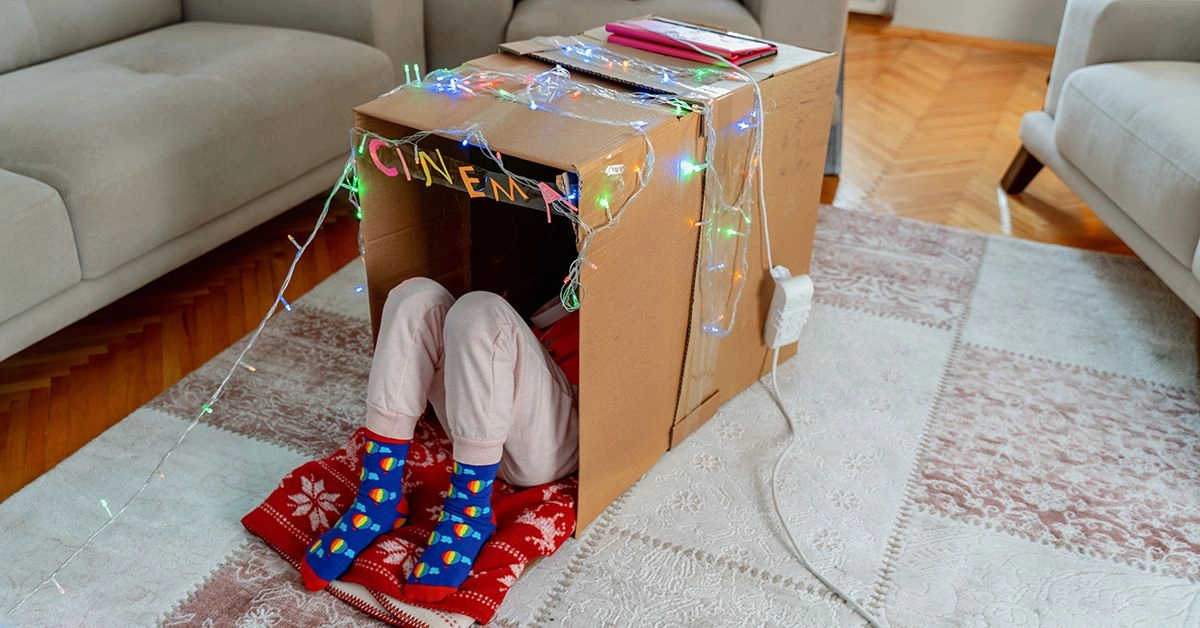
- 13. Building a cardboard fort: Encourage kids to construct and decorate a fort from cardboard. Short on boxes? Build a fort for a pet instead!
Need a calming bedtime routine for an active youngster with ADHD? Soles suggests storytime yoga. “Parents can weave storytelling with simple yoga poses matched to a child’s interests and abilities,” she explains. “Like adults, yoga helps kids boost attention and concentration while promoting relaxation and body awareness.”

School-age children and teens
Older kids and teens often want — and are capable of — pursuing activities independently. For this age group, activities can be more sophisticated, and many are ready for more challenging physical hobbies.
“Physical exercise is crucial for teenagers with ADHD because it helps burn off excess energy and enhances cognitive functioning,” says Palmer. “Encourage your teen to participate in regular exercise, whether through team sports, mountain biking, martial arts, running, dance, or yoga.”
Activities suited for older children with ADHD include:
- 14. Knitting and sewing: Teach them basic projects like hats, pillows, or scarves in colors and patterns they prefer.
- 15. Indoor adventure centers: Visit an indoor adventure venue to try rock climbing, zip lines, and trampoline areas.
- 16. Friendly competition: Challenge your child to races, memory contests, or trivia matches.
- 17. Working toward a goal together: Train alongside your child for a shared objective, such as a charity run or cycling event.
- 18. Performance art: Enroll them in dance or theater, or encourage them to write and perform their own shows at home.
- 19. Group games: Teach games like tag, hide-and-seek, capture-the-flag, touch football, or Frisbee golf.
- 20. Cooking: Let your child choose and prepare a meal for lunch or dinner.
- 21. Doing for others: Encourage your child to write a letter, make a card, or craft a gift for someone they haven’t seen in a while.
- 22. Building something sturdy: Provide access to more advanced building tools (with supervision) so they can plan and construct outdoor forts or projects.
- 23. Game creation: Have your child invent a new game for family game night.
- 24. Tossing a ball: Keep a ball handy to throw back and forth during bursts of energy.
For routines and strategies that help with daily life, parents may also find resources on how to not forget to eat with adhd useful.
Frequently asked questions
What is the best activity for an ADHD child?
The ideal activity for a child with ADHD is one they enjoy and that also supports important skill development.
Which activity is most appropriate for a child with ADHD?
The most fitting activity is one that sparks the child’s interest and matches their developmental level and abilities.
How do you tire out a child with ADHD?
Hyperactivity is a core feature of ADHD. It’s linked to differences in brain structure and functioning. Even with ample physical activity, some children may continue to exhibit hyperactive behaviors.
How do you keep an ADHD child busy?
Keeping a rotating list of activities for a child with ADHD helps ensure there are varied options available throughout the day.
Takeaway
For many children with ADHD, hyperactivity and impulsivity can create a near-constant drive to move and act.
Offering activities that encourage motion, develop abilities, and provide sensory stimulation can keep children engaged in ways that support overall ADHD management.





















Leave a Reply
You must be logged in to post a comment.