

It’s advisable to avoid consuming alcohol when you’re on Adderall. Adderall can mask the sensations of intoxication, which may lead to drinking more than intended and raise the risk of alcohol poisoning. Combining the two can also put extra strain on your heart.
Introduction
Adderall is a stimulant medication used to manage symptoms of attention-deficit/hyperactivity disorder (ADHD) in both children and adults. With increasing ADHD diagnoses, prescriptions for this medication have become more common.
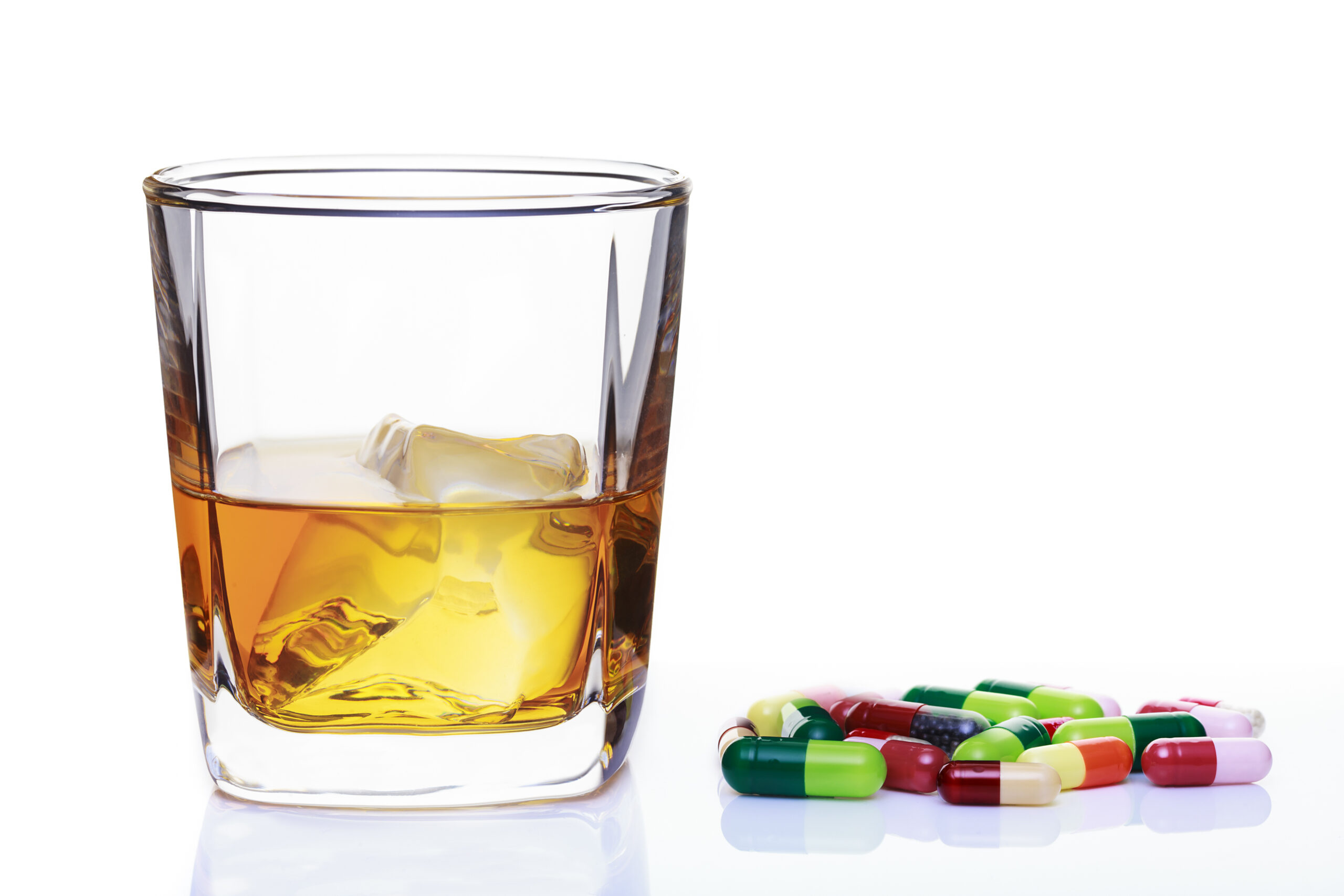
Adderall is classified as a Schedule II controlled substance, meaning it has a notable potential for misuse and dependence. The medication carries inherent risks. It’s important to understand Adderall misuse and the dangers of mixing it with alcohol.
Can I take Adderall with alcohol?
Adderall is a stimulant while alcohol acts as a depressant. That doesn’t mean they neutralize one another — they work against each other in the body, which can produce hazardous consequences.
Alcohol poisoning
Adderall can blunt the signs of being intoxicated. People who combine Adderall and alcohol may not realize how much they’ve had to drink. This lack of awareness can result in heavy drinking and outcomes like alcohol poisoning and other risky behaviors.
Heart problems
Stimulants such as Adderall are associated with some cardiovascular risks. Those risks grow if you take doses higher than prescribed and increase further when alcohol is added. When taken together, Adderall and alcohol may:
- raise body temperature
- speed up your heart rate
- elevate blood pressure
- trigger an irregular heartbeat
Behavioral issues
Excessive drinking lowers inhibitions and can foster aggressive behavior. Combining alcohol with Adderall can amplify these behavioral effects.
What to do
You should avoid alcohol while being treated with Adderall. Beyond the immediate health risks, drinking can also worsen ADHD symptoms and interfere with treatment.
Effects of alcohol on ADHD
ADHD is linked to brain regions that regulate self-control, attention, problem-solving, and impulsivity. Common ADHD symptoms include:
- difficulty focusing and staying on task
- impulsivity
- restlessness
- impatience
- easy distractibility
- forgetfulness
- disorganization
ADHD is also associated with lower levels of dopamine and norepinephrine — neurotransmitters tied to pleasure and motivation. These chemicals are activated by positive experiences such as falling in love, earning a promotion, or winning an award.
Some people with ADHD may turn to alcohol or other substances to try to manage symptoms. In the short term, alcohol can boost dopamine levels, which might temporarily seem to ease ADHD symptoms.
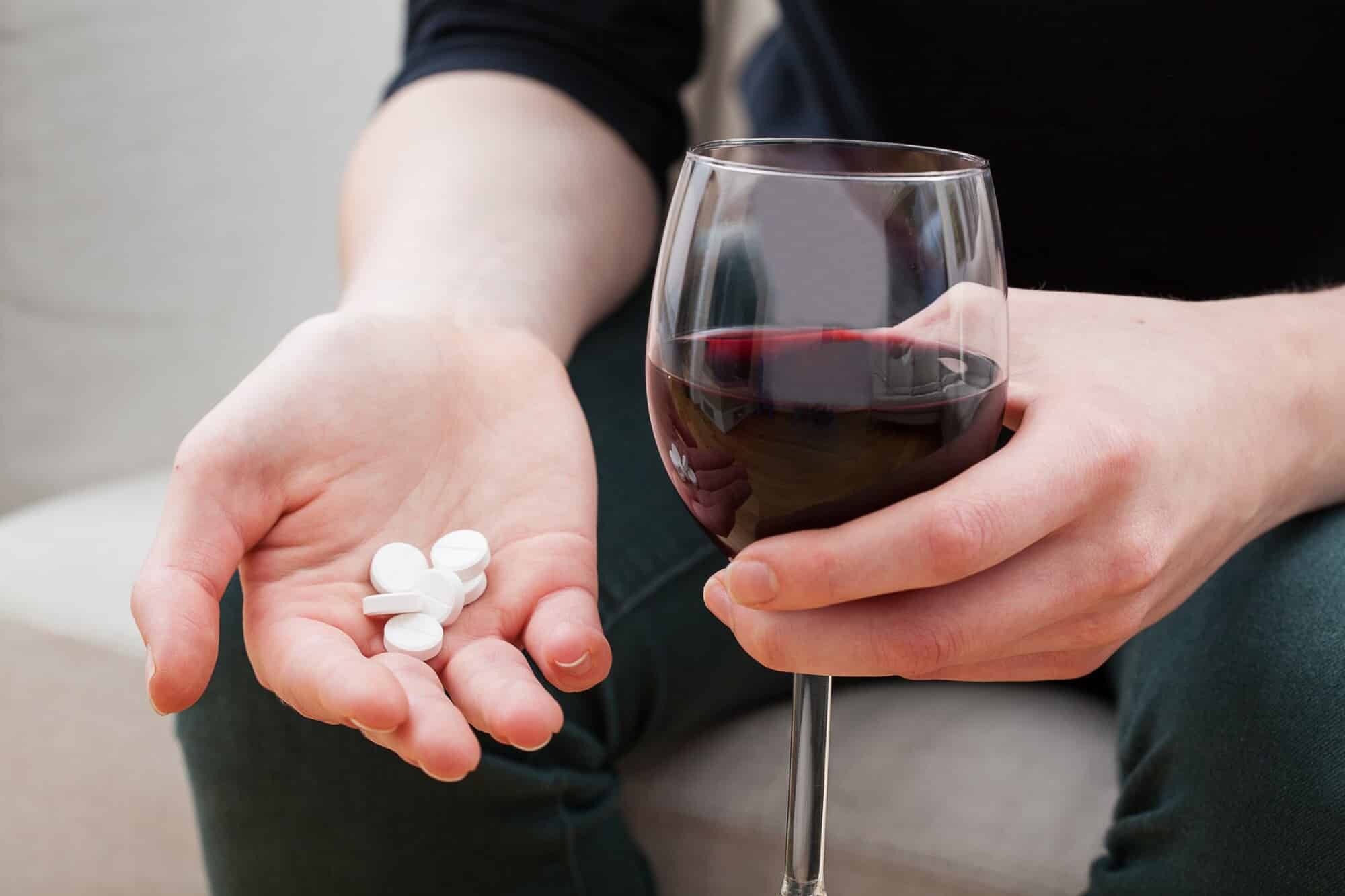
However, prolonged alcohol use depletes dopamine over time, which can exacerbate ADHD. For this reason, people with ADHD are advised to avoid alcohol.
Adderall as prescribed
Stimulant medications like Adderall are the preferred initial treatment for many people with ADHD. Adderall is among the most frequently prescribed ADHD drugs and is composed of several different amphetamine salts.
The medicine works by increasing dopamine and norepinephrine levels in the brain, enhancing focus and decreasing impulsivity and hyperactivity in individuals with ADHD.
Some wonder whether taking a prescribed stimulant increases the likelihood of substance misuse. In fact, in people with ADHD, appropriate stimulant treatment may lower the risk of substance use. A Pediatrics study examining psychotropic ADHD medications like Adderall found that stimulant-treated individuals had an 85% reduction in risk for substance use disorders. The research also indicated that untreated ADHD is a significant risk factor for developing substance use problems.
Adderall can be safe and effective when used exactly as directed by your healthcare provider.
Adderall and misuse
While Adderall is safe when used properly, it is also subject to misuse. Research published in Substance Abuse Treatment, Prevention, and Policy indicates nonmedical use of ADHD medications is increasing. The study reported that more than 7% of adults aged 18 to 49 misuse ADHD drugs, and over half of those misusers also consume alcohol while using these medications.
Full-time college students make up the largest group misusing these drugs. Students may use Adderall to try to boost academic performance or reduce the need for sleep. According to the National Survey on Drug Use and Health, nearly 90% of students who misuse Adderall also engage in binge drinking.
Because mixing stimulants and alcohol is common among misusers and dangerous, be aware of the risks — and consider reading more about adderall makes me tired if you notice unusual effects while on treatment.
Talk with your doctor
Adderall plays an important role in helping many people with ADHD lead more productive lives, but it’s a potent medication and should only be taken as prescribed.
Combining Adderall and alcohol is risky. The mix can cause alcohol poisoning, cardiovascular complications, and behavioral changes. Alcohol may also worsen ADHD symptoms. Many who misuse Adderall also misuse alcohol. Even with a prescription, you should avoid drinking while undergoing treatment with Adderall.


















Leave a Reply
You must be logged in to post a comment.