Lyly

Cannabis 101: A Guide to Sativa Strains
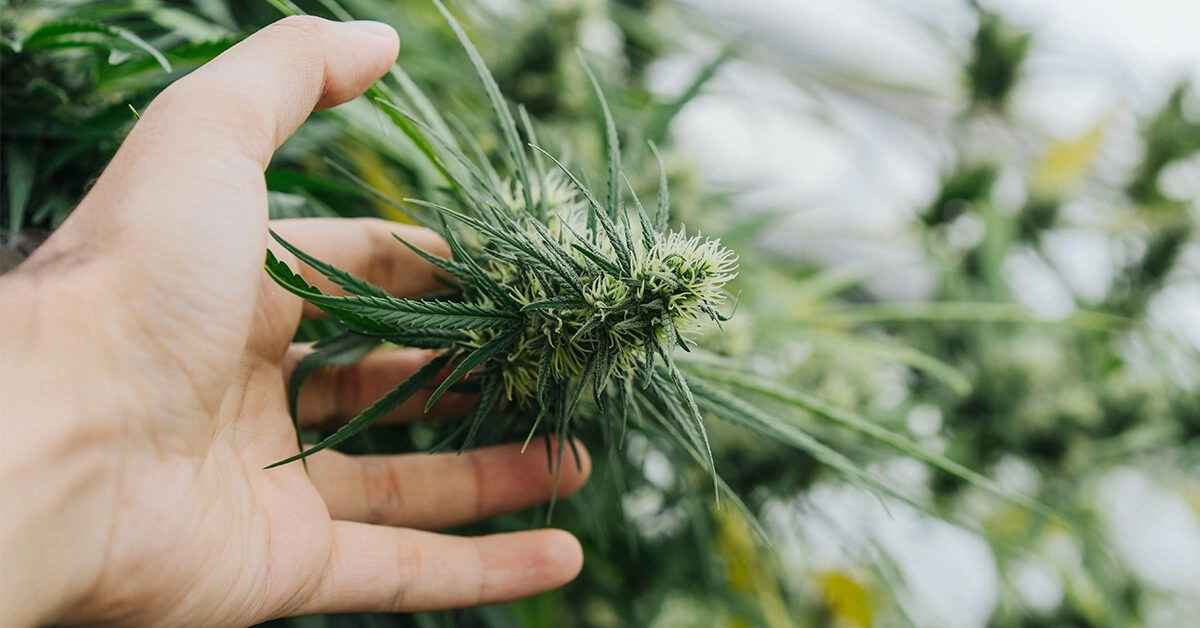
Cannabis sativa plants share many physical traits and produce flowers that often cause similar effects. Picking a cannabis strain can be overwhelming. With hundreds of varieties on dispensary shelves, retailers are still refining how best to classify cultivars for consumers. That’s why most menus divide strains — or cultivars, if you prefer the technical term — into three basic groups: sativa, indica, and hybrid. Sativas are commonly linked with a…
Ask the Expert: Common Questions About Alcohol and Blood Thinners
Specialists indicate that modest alcohol use is generally considered safe for people on blood thinners. (img by GoodRx) 1. How risky is drinking alcohol when I’m taking a blood thinner? Several elements influence the level of danger alcohol poses when combined with blood-thinning medication. These variables vary from person to person. In many cases, moderate alcohol intake is acceptable for individuals on anticoagulants provided they do not have significant underlying…
Understanding Urine Alcohol Levels — a Quick Chart
Urine testing can reveal whether you’ve consumed alcohol within the past 24 hours. Alcohol doesn’t persist long in the body, yet a urine screen can identify alcohol well after its effects have faded. Urine assays can reliably pick up ethanol and its metabolites for roughly 12 to 24 hours after drinking. The precise detection window depends on which urine alcohol test is used. Ethanol urine screens typically detect drinking within…
Alcohol and Hair Loss: What You Need to Know
Key takeaways High alcohol intake can cause nutritional shortfalls that influence hair health by lowering levels of vital nutrients such as zinc, copper, and protein, potentially resulting in hair thinning or loss. Alcohol can disturb thyroid activity and hormonal balance, which may contribute to gradual hair shedding or loss, particularly when combined with smoking, vaping, or other tobacco use. Cutting back on alcohol, eating a varied diet, and seeking advice…
Why You Absolutely Shouldn’t Drink Alcohol Before Surgery
(Justin Case / Getty Images) Drinking alcohol before an operation is not worth the potential harm — or the risk to your life. Consuming alcohol before surgery is a significant hazard. For your safety, it’s advisable to abstain from alcohol for at least 48 hours before your planned procedure. Alcohol use can cause serious complications during and after surgery. It may lead to a longer hospital stay and extend your…
The Answers to Your Questions About Alcohol Hair Tests
Although not perfect, hair testing for alcohol is a reliable method to determine whether someone has consumed alcohol over the past several months. A hair alcohol test can reveal if a person has used alcohol in recent months. Blood and urine tests can serve the same purpose but only capture a much shorter timeframe — typically hours to days. Often, these methods are used together to create a fuller picture…

All About Alarplasty: Procedure, Cost, and Recovery
Alarplasty, sometimes referred to as alar base reduction, is a cosmetic operation designed to alter the contour of the nose. This procedure is common among those who wish to lessen the appearance of flared nostrils or achieve a more balanced nasal look. Below we’ll explain what alarplasty involves, potential risks, typical costs, and who might be an appropriate candidate. (img by ENT Specialist in Istanbul – Assoc. Prof. Dr. Murat…
Why Am I Waking up with a Stuffy Nose?
For many people, the first thing in the morning is reaching for a box of tissues. Why do so many of us arise with nasal congestion, even when we aren’t ill? There are multiple reasons for early-morning nasal blockage, commonly called rhinitis, and some of them may surprise you. (img by Layla Sleep) The most frequent cause is allergens Data from the 2005–2006 National Health and Nutrition Examination Survey (NHANES)…
What Are the Most Common Causes of Cloudy Vision?
Cataracts are the leading cause of clouded eyesight. Other possible culprits include Fuchs’ dystrophy, macular degeneration, and diabetic retinopathy. Your clinician can identify the source and advise which treatment is most appropriate. Cloudy vision can make everything look as if it’s shrouded in mist. When objects around you appear less distinct, it can impact your daily life. That’s why locating the root cause of your hazy vision is important. (img…
Are Red Eyes When Waking Up a Serious Health Issue?
Your eyes may seem bloodshot in the morning because of allergies or a lack of tears. Occasionally, however, morning redness can signal a more serious issue, such as trauma or infection. After rising from sleep, you might catch sight of red, bloodshot eyes in the mirror. Sometimes the eyes appear vividly red or pinkish, and you may notice squiggly red or pink lines — these are blood vessels that are…