
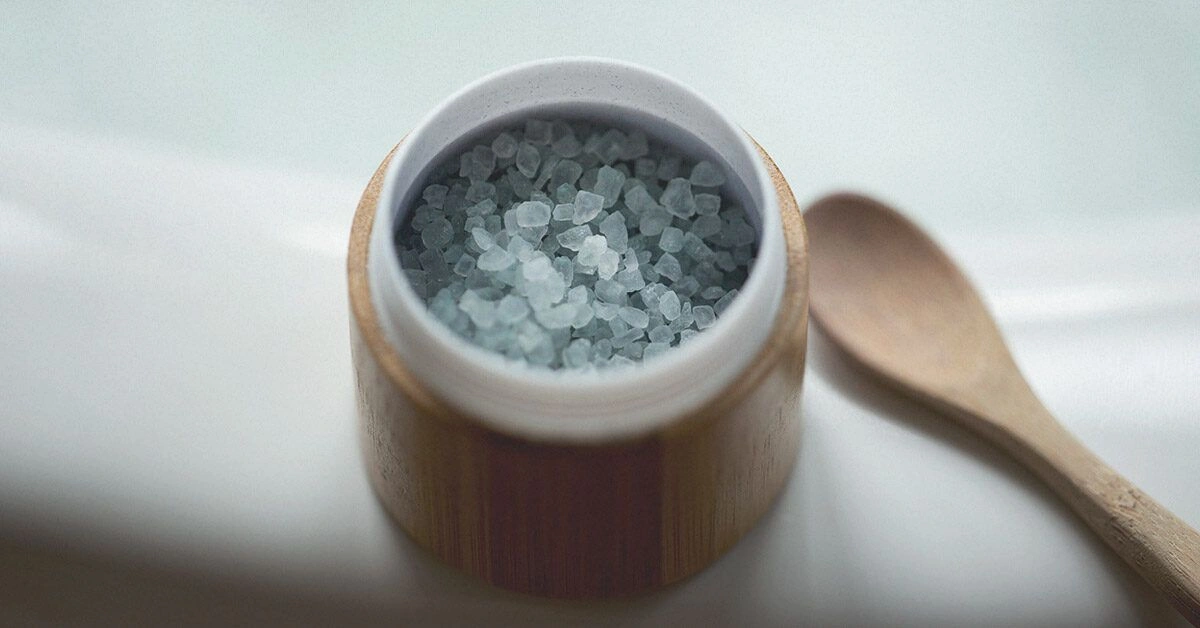
Bath salts can offer both physical and mental wellness advantages. You can prepare a detoxifying soak to help soothe sore muscles, arthritis, and headaches, as well as address various skin issues.
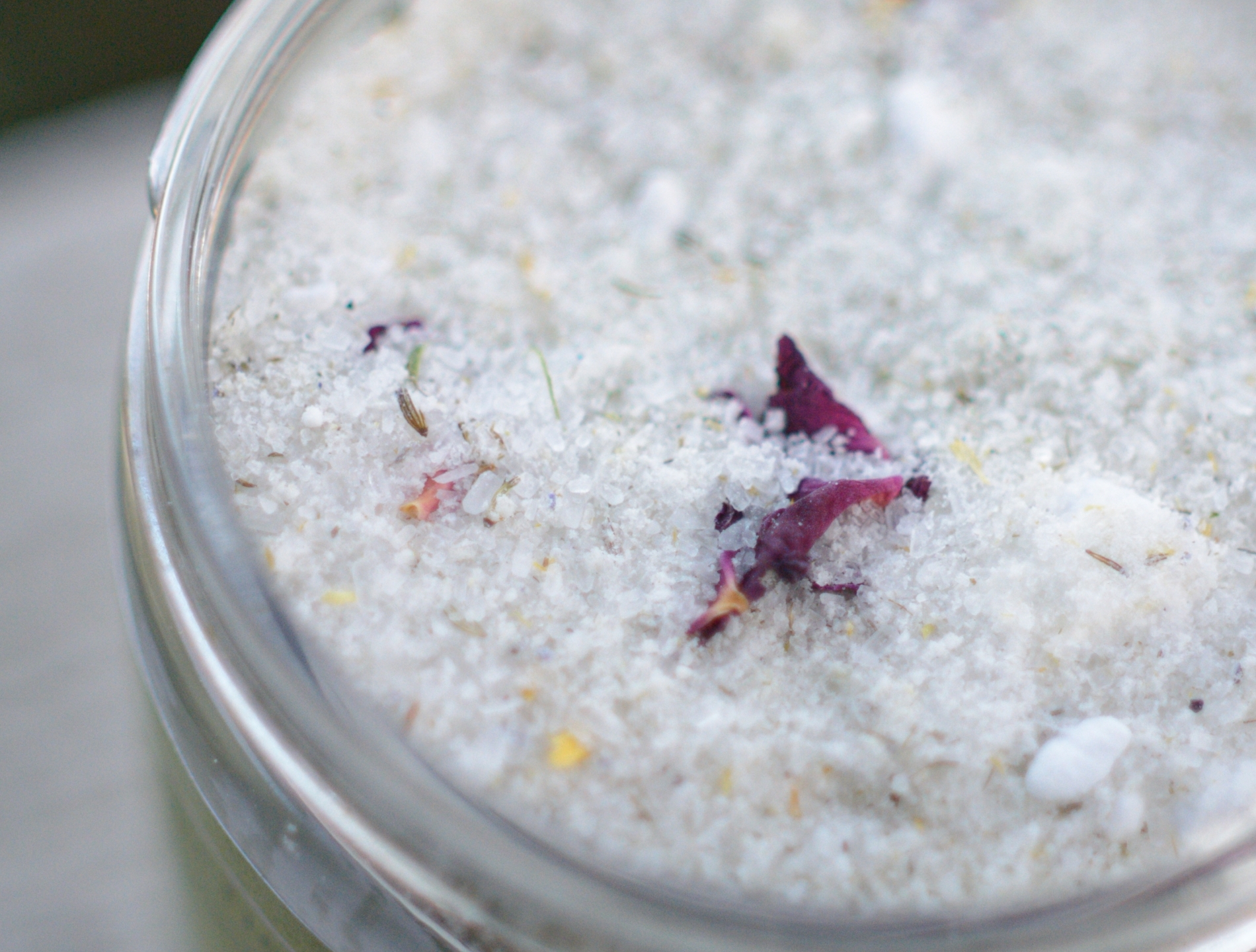
For centuries, bath salts have been an affordable, simple method to manage mental and physical complaints. Typically composed of magnesium sulfate (Epsom salt) or sea salt, bath salts dissolve readily in warm water and are used for everything from stress reduction to easing aches and pains.
Health benefits
Many of us add bath salts to make a bath more restorative, but they’re thought to confer several health benefits for people experiencing:
- muscle soreness and tightness
- stiff, painful joints
- arthritis
- circulation issues
- headaches
- anxiety and stress
- skin conditions like eczema
- dry, itchy skin
How to use bath salts
There are multiple ways to use bath salts depending on the condition you want to address.
Detox bath
A detox bath typically uses Epsom salt. The minerals in a detox soak are thought to help draw out toxins, improve general health, ease stress, relieve constipation, and support weight management.
Another advantage of Epsom salt baths is potential magnesium uptake. This can help those with deficiencies, including people with fibromyalgia. A 2004 study involving 19 participants found that 17 showed higher magnesium and sulfate levels in their blood after Epsom salt soaks.
To prepare a detox bath using Epsom salt:
- Use 2 cups of Epsom salt for a standard bathtub filled with warm water.
- Add the salt to running water to help it dissolve more quickly.
- Soak for at least 12 minutes, or about 20 minutes for constipation relief.
Including essential oils like lavender or peppermint can add aromatherapy benefits, promoting relaxation and an improved mood.
Muscle aches
Bath salts may relieve muscle aches by loosening tense muscles and reducing inflammation.
To make a bath for muscle discomfort:
- Use 2 cups of Epsom salt in a standard-size bathtub of warm water.
- Pour the Epsom salt into the running water to speed dissolution. Stirring with your hand helps dissolve any remaining crystals.
- Soak for at least 12 minutes.
Addition of a few drops of diluted cinnamon bark essential oil may also help alleviate muscle soreness. Cinnamon bark oil produces a warming sensation on the skin that some find comforting for sore muscles. A 2017 study also indicated it might be a promising anti-inflammatory agent.
Skin inflammation or irritation
Bath salts can soothe skin inflammation and irritation from eczema, psoriasis, contact dermatitis, and athlete’s foot. The National Eczema Association suggests adding 1 cup of table salt to your bath during flares to reduce stinging when bathing. Epsom salt or sea salt can also be used to ease skin irritation and inflammation.
To prepare a bath to calm itchy, irritated skin:
- Use 1 cup of Epsom salt, sea salt, or table salt for a standard bathtub.
- Add the salt to warm running bath water and stir with your hand to dissolve all the grains.
- Soak for at least 20 minutes.
Tea tree oil has antimicrobial, anti-inflammatory, and antiseptic qualities that may help with eczema and minor skin infections. Essential oils should be diluted before use, though some tea tree preparations are already diluted. Adding 3 or 4 drops to your salt bath may provide extra relief from inflammation and irritation.
Dry or itchy skin
Bath salts can relieve dry, itchy skin, including itching from insect bites and poison ivy. To do this:
- Use 1 to 2 cups of Epsom salt and 1 tablespoon of olive oil for a standard bathtub.
- Add the salt to warm running water to dissolve it more rapidly.
- Add the olive oil and stir the water with your hand to combine the salt and oil.
- Soak for at least 12 minutes, two or three times weekly.
You can also include almond oil, ground oatmeal, or powdered milk in bath salts to soothe and hydrate the skin.
Arthritis
The Arthritis Foundation suggests soaking and stretching in a warm Epsom salt bath to relieve stiff, aching joints and to reduce muscle soreness after exercise. To do this:
- Use 2 cups of Epsom salt for a standard bathtub filled with warm water.
- Pour the salt into running water to help it dissolve sooner.
- Soak for at least 20 minutes daily as needed or after physical activity.
Some essential oils, like ginger, may provide anti-inflammatory effects. A 2016 study found ginger had anti-arthritic and joint-protective properties in arthritis. Adding a few drops of diluted ginger oil to your bath salts might offer extra benefit.
You can also target specific joints by mixing bath salts and ginger oil with warm water to form a paste that can be rubbed directly onto the joint.
In the shower
If you lack a bathtub, you can still get many of the benefits by making a shower scrub:
- Combine 1 cup of sea salt or Epsom salt, 1/3 cup of almond, olive, or coconut oil, and 1 tablespoon of vitamin E oil.
- Stir the ingredients in a bowl until a thick paste forms.
- Apply the scrub to your body with your hands.
- Rinse thoroughly.
Store the leftover scrub in a container with an airtight lid.
You can add about 12 drops of your preferred essential oil to the scrub to gain additional benefits. Bath salt scrubs are excellent for exfoliating the skin.
Foot soak
Using bath salts in a foot soak can be beneficial for several reasons. Foot soaks with bath salts can help:
- ease athlete’s foot symptoms
- address toenail fungus
- reduce gout pain and inflammation
- eliminate unpleasant foot odor
To make a foot soak with bath salts:
- Add 1/2 cup of Epsom salt to a large basin of warm water and stir until dissolved.
- Soak your feet for 12 minutes, or up to 30 minutes for gout relief.
- Thoroughly dry your feet with a towel.
Repeat up to three times daily to treat nail fungus until symptoms improve. Adding diluted tea tree oil can provide antifungal benefits.
Soaking feet in warm salt water also softens dead skin, making it easier to exfoliate cracked heels. You can use the shower scrub recipe referenced earlier to remove calluses and dead skin. Vinegar or Listerine foot soaks are other options to try.
The takeaway
Bath salts are soothing and offer a variety of cosmetic and health perks. While generally safe for most people when used properly, consult your doctor before using bath salts if you have medical conditions such as heart disease or diabetes.



















Leave a Reply
You must be logged in to post a comment.