

Various conditions and diseases can lead to hematuria, the medical term for blood in the urine. When experiencing Blood in urine male with pain, it can be especially concerning and may point to an underlying issue affecting the urinary tract, kidneys, or prostate. Causes range from infections and kidney disease to uncommon blood disorders, among other medical concerns.
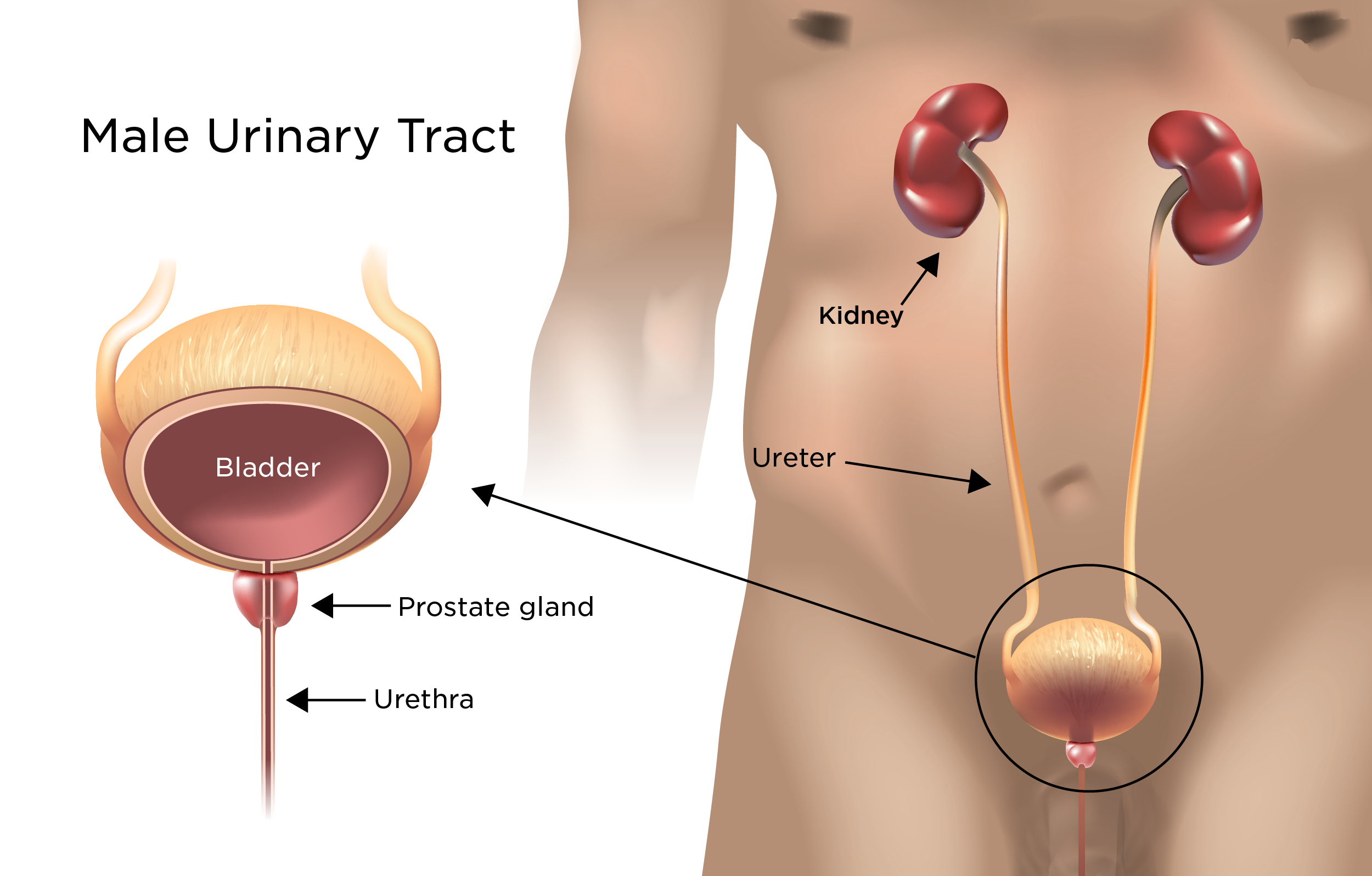
The blood may be clearly visible, or it may be present in such tiny amounts that it’s only detected through laboratory testing. Regardless of the quantity, any appearance of blood in urine should be taken seriously, even if it occurs just once. Overlooking hematuria can allow serious conditions, including cancer and kidney disease, to progress. Seeking prompt medical evaluation is essential to identify the cause and begin appropriate treatment.
Your doctor can perform a urinalysis and may request imaging studies to pinpoint the source of the bleeding and design a personalized treatment plan. Early diagnosis often leads to better outcomes and may prevent complications.
What are the types of hematuria?
Hematuria is generally classified into two primary categories: gross hematuria and microscopic hematuria.
Gross hematuria
If enough blood is present to turn your urine pink, red, or cola-colored, or if you notice visible streaks or clots, this is referred to as “gross hematuria.” This form is often alarming and typically prompts immediate medical attention.

Microscopic hematuria
When blood is present in very small quantities that are invisible to the naked eye, it is known as “microscopic hematuria.” This type can only be confirmed through laboratory testing or by examining a urine sample under a microscope. Even without visible discoloration, microscopic hematuria can still indicate significant health issues.
What causes hematuria?
Hematuria has numerous potential causes. In certain situations, what appears to be blood in the urine may actually originate from another source.
For example, blood may seem to be in the urine when it actually comes from the vagina in women, from ejaculate in men, or from a bowel movement in either sex. If you are unsure whether bleeding is urinary or gastrointestinal, it’s important to understand the difference and know When to worry about blood in stool. However, when blood is truly present in the urine—particularly in cases of Blood in urine male with pain—there are several likely medical explanations.
Infection
Infections are among the most frequent causes of hematuria. These infections may involve the urinary tract, bladder, or kidneys.
An infection develops when bacteria travel up the urethra—the tube that carries urine from the bladder out of the body. The bacteria can multiply in the bladder and potentially spread to the kidneys. Symptoms often include pain, a burning sensation during urination, and a frequent urge to urinate. Both gross and microscopic hematuria may occur. In men, urinary tract infections (UTIs) combined with discomfort and visible bleeding should always be assessed promptly.
Stones
Kidney stones or bladder stones are another common reason for blood in the urine. These stones are hard crystals formed from minerals in urine and can develop in the kidneys or bladder.
Larger stones may block part of the urinary tract, leading to severe pain and hematuria. The pain is often sharp and may radiate to the lower back or abdomen. When stones are responsible for Blood in urine male with pain, the discomfort can be intense and may come in waves.
Enlarged prostate
In middle-aged and older men, an enlarged prostate is a relatively common cause of hematuria. The prostate gland sits just below the bladder and surrounds part of the urethra.
As men age, the prostate often increases in size. When this occurs, it can compress the urethra and interfere with normal urine flow. This may result in difficulty urinating, incomplete bladder emptying, and an increased risk of a urinary tract infection (UTI). In some cases, men may notice blood in their urine or even spotting in underwear, similar to what is discussed in Blood in pants male nhs.
Kidney disease
Although less common, kidney disease can also cause hematuria. An inflamed or damaged kidney may leak blood into the urine. Kidney disease may occur independently or as part of another condition, such as diabetes or high blood pressure.
In children between ages 6 and 10, post-streptococcal glomerulonephritis can lead to hematuria. This condition can develop one to two weeks after an untreated strep infection. While it was once more prevalent, it is now rare because antibiotics are effective at treating strep infections early.
Cancer
Cancer of the bladder, kidney, or prostate may result in blood in the urine. Hematuria is often seen in more advanced stages of these cancers, and early stages may not produce noticeable symptoms. This is why any unexplained blood in the urine warrants prompt medical evaluation.
Medications
Certain medications can trigger hematuria. These include:
- penicillin
- aspirin
- blood thinners like heparin and warfarin (Coumadin)
- cyclophosphamide, which is a drug used to treat certain types of cancer
Less common causes
Some rare conditions can also result in hematuria. These include blood disorders such as sickle cell anemia, Alport syndrome, and hemophilia.
In addition, intense physical activity or trauma to the kidneys—such as a direct blow—can cause blood to appear in the urine. Athletes occasionally experience temporary hematuria after strenuous exercise.
How is the cause of hematuria diagnosed?
If you consult your doctor about hematuria, they will ask detailed questions about the amount of blood, when it appears during urination, and whether you have pain or other symptoms. They may ask how often you urinate, whether you’ve noticed clots, and which medications you are currently taking.
A physical examination will be performed, and a urine sample will be collected for laboratory analysis. Urinalysis can confirm the presence of blood and identify bacteria if an infection is responsible.
Your doctor may also order imaging tests, such as a CT scan, which uses radiation to generate detailed images of the urinary tract.
Another diagnostic procedure is cystoscopy. During this test, a thin tube with a camera is inserted through the urethra into the bladder. This allows the doctor to directly examine the lining of the bladder and urethra to identify abnormalities that could explain the hematuria.
When should I seek medical attention?
Because some causes of blood in the urine are serious, you should contact a healthcare provider the first time you notice it. Even a small amount of blood should not be ignored.
You should also seek medical care if you experience frequent, painful, or difficult urination, abdominal discomfort, or kidney pain—even if you do not see visible blood. These symptoms may indicate microscopic hematuria.
Get emergency medical assistance if you are unable to urinate, notice blood clots in your urine, or have blood in your urine along with any of the following:
- nausea
- vomiting
- fever
- chills
- pain in your side, back, or abdomen
Optum Now is operated by RVO Health. By clicking on this link, we may receive a commission. Learn more.
How is hematuria treated?
Treatment for hematuria depends entirely on the underlying cause.
If a urinary tract infection (UTI) is responsible, your healthcare provider will prescribe antibiotics to eliminate the bacteria causing the infection. Completing the full course of antibiotics is essential to prevent recurrence.
When large kidney stones cause hematuria, they can be extremely painful if not treated. Prescription medications may help you pass smaller stones more comfortably.
Your healthcare provider may recommend a procedure called extracorporeal shock wave lithotripsy (ESWL) to fragment the stones.
ESWL uses sound waves to break kidney stones into smaller pieces that can pass through the urine. The procedure usually lasts about one hour and may be performed under light anesthesia.
In some cases, a ureteroscope may be used to remove kidney stones. This thin tube is passed through the urethra and bladder into the ureter. A camera helps locate the stones, and specialized tools are used to capture and remove them. Large stones are typically broken into smaller fragments before extraction.
If an enlarged prostate is the cause of hematuria, medications such as alpha blockers or 5-alpha reductase inhibitors may be prescribed. For some men, surgical intervention may be necessary if symptoms are severe or persistent.
What are the complications associated with hematuria?
Some causes of hematuria are potentially life-threatening, so medical evaluation is critical.
If cancer is the underlying cause, delaying treatment can allow tumors to advance to a stage where therapy becomes more difficult. Untreated infections may eventually result in kidney failure.
When hematuria is due to an enlarged prostate, ignoring symptoms may lead to worsening urinary difficulties, persistent discomfort, and, in rare cases, cancer progression. Early treatment often reduces symptoms and improves quality of life.
How can I prevent hematuria?
Preventing hematuria involves addressing and minimizing its underlying causes:
- To lower the risk of infections, drink adequate water daily, urinate after sexual intercourse, and maintain proper hygiene.
- To reduce the likelihood of kidney stones, stay well hydrated and limit excess salt as well as foods such as spinach and rhubarb that are high in stone-forming compounds.
- To help prevent bladder cancer, avoid smoking, limit exposure to harmful chemicals, and drink plenty of fluids to flush the urinary system.
Maintaining a healthy lifestyle, managing chronic conditions like diabetes and high blood pressure, and scheduling regular medical checkups can further reduce the risk of developing conditions associated with hematuria.























Leave a Reply
You must be logged in to post a comment.