Diet & Nutrition
Diet & Nutrition focuses on healthy eating habits, meal planning, and the benefits of various nutrients, providing tips for maintaining a balanced diet and improving overall health.

How Long Does Wine Last?
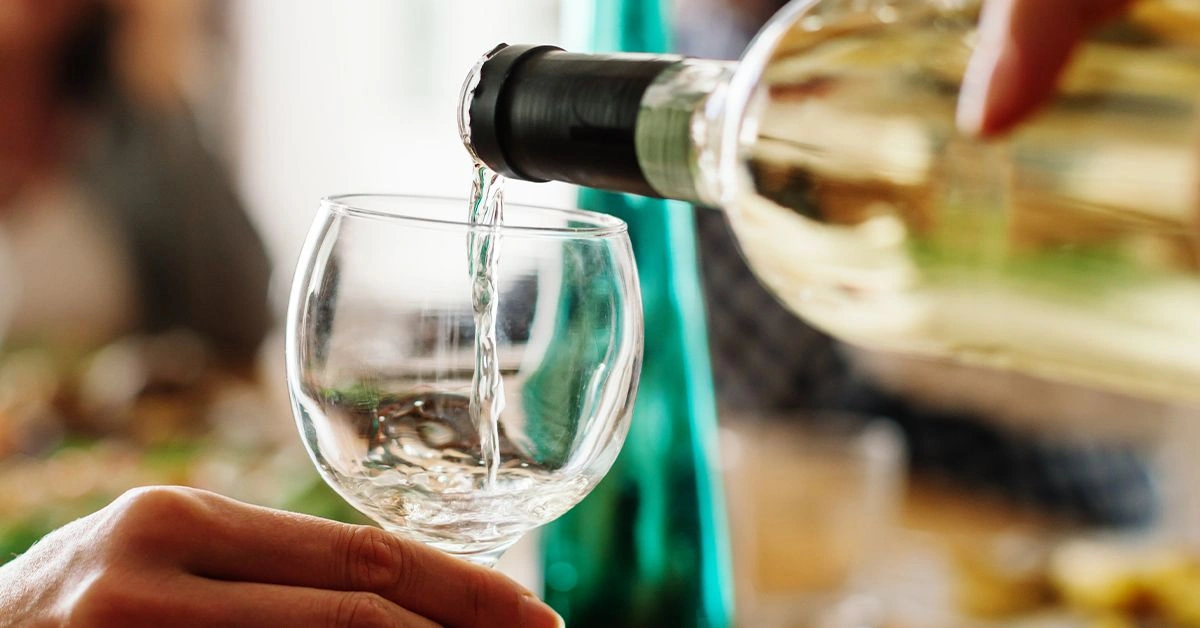
Although an unopened bottle of wine generally lasts longer than one already opened, it can still spoil. Unopened wine may be safe to drink past the date stamped on the bottle if it still smells and tastes normal. If you’ve ever questioned whether an old or leftover bottle of wine is still drinkable, you’re in good company. While certain wines improve with age, that’s not true for every opened bottle.…

Brewer’s Yeast
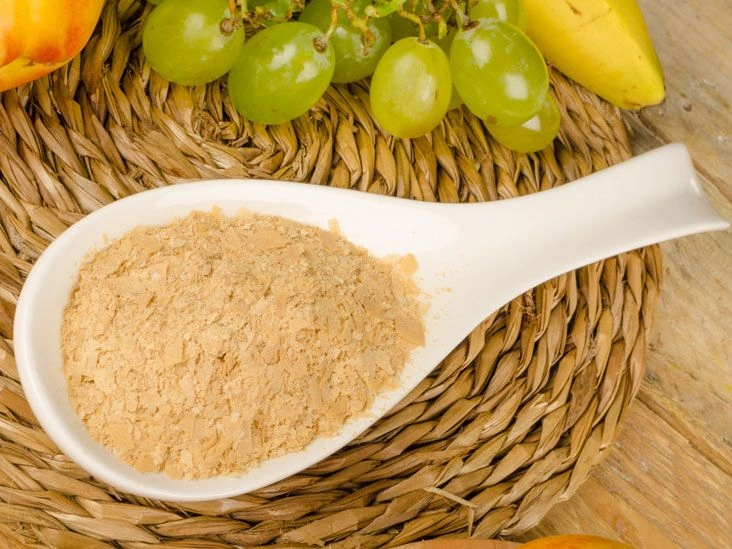
Brewer’s yeast is an ingredient employed in brewing beer and baking bread. It is derived from Saccharomyces cerevisiae, a single-celled fungus. Brewer’s yeast has a distinctly bitter flavor. (img by Nature) It’s also taken as a dietary supplement. Brewer’s yeast is a notable source of chromium, which may assist the body in maintaining normal blood glucose regulation. It also supplies several B vitamins. Note: Debittered brewer’s yeast is a more…
Saffron Tea: 5 Benefits and How to Make It
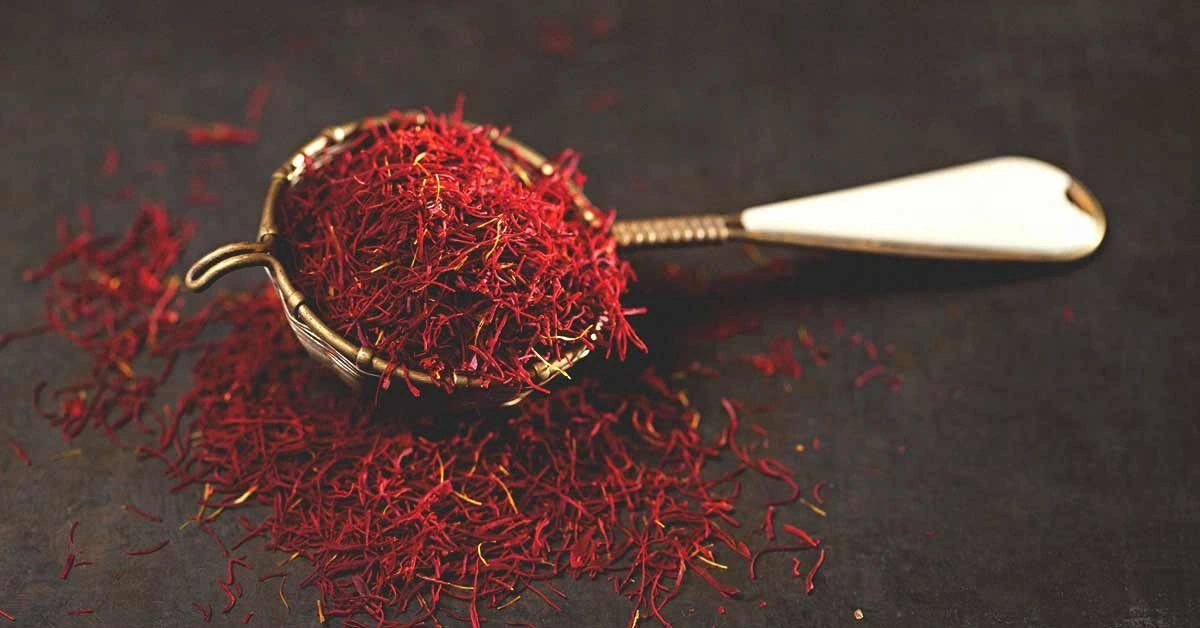
Saffron is a seasoning derived from the blossoms of the crocus sativus Linné. These crocus plants are native to the Middle East and certain regions of Europe, with Iran, India, and Greece among the primary growers. (img by News-Medical.Net) The crocus blooms for roughly three to four weeks in October and November. Each bloom bears dark red stigmas, often referred to as threads, which are carefully plucked by hand and…
Is Nettle Tea Safe During Pregnancy?
A warm cup of tea can calm you and help you unwind — something many pregnant people appreciate. But have you ever wondered what’s actually in that cup? Some expectant parents turn to nettle tea to ease pregnancy-related discomforts. Could it be a good choice for you? Before you steep a mug, weigh the benefits and drawbacks of nettle tea. (img by Healthshots) What is nettle? The stinging nettle is…
Is Weight Loss or Weight Gain Possible After IUD Removal?
Because there’s limited research on weight changes related to IUDs, it’s hard to say definitively how your weight may respond after an IUD is taken out. More investigation is needed to clarify whether removal leads to weight loss or gain. An intrauterine device (IUD) is placed inside the uterus to prevent pregnancy for roughly 3 to 12 years, according to Planned Parenthood. The exact duration depends on the IUD’s type…
How Long Before You Can Eat After a Filling?
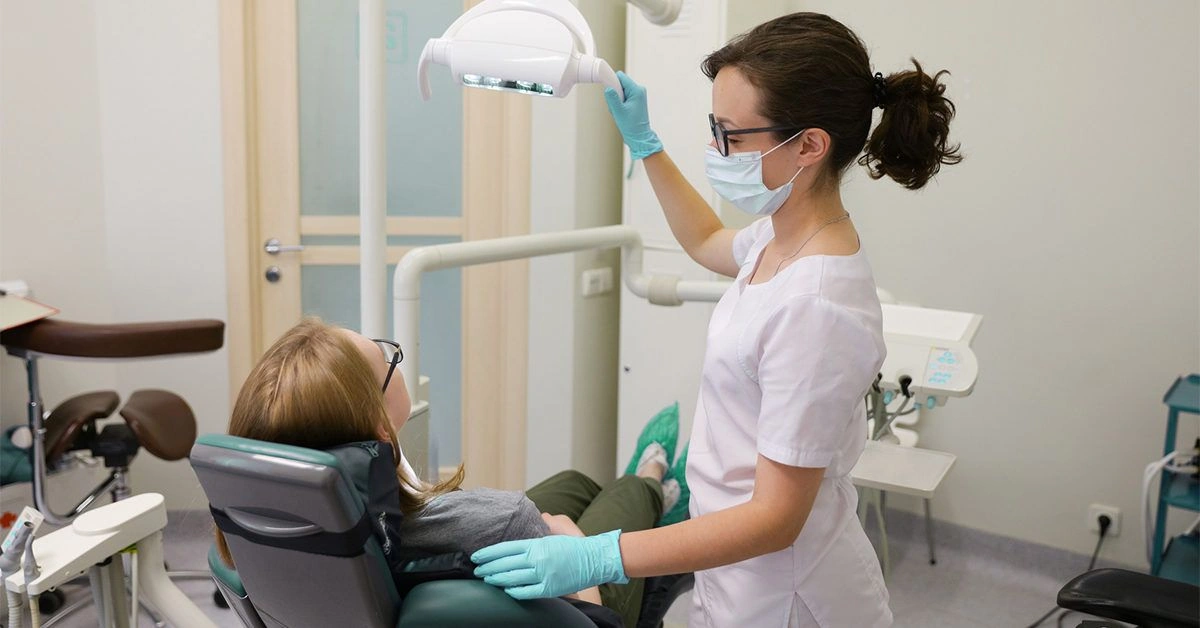
You may have heard that you should avoid chewing on the side of a dental filling for at least 24 hours after a cavity is repaired. Still, your dentist will provide tailored guidance on when and what you can eat following the filling procedure. The required wait time can depend on the type of filling used. Below are practical recommendations for eating after a tooth has been filled. (img by…
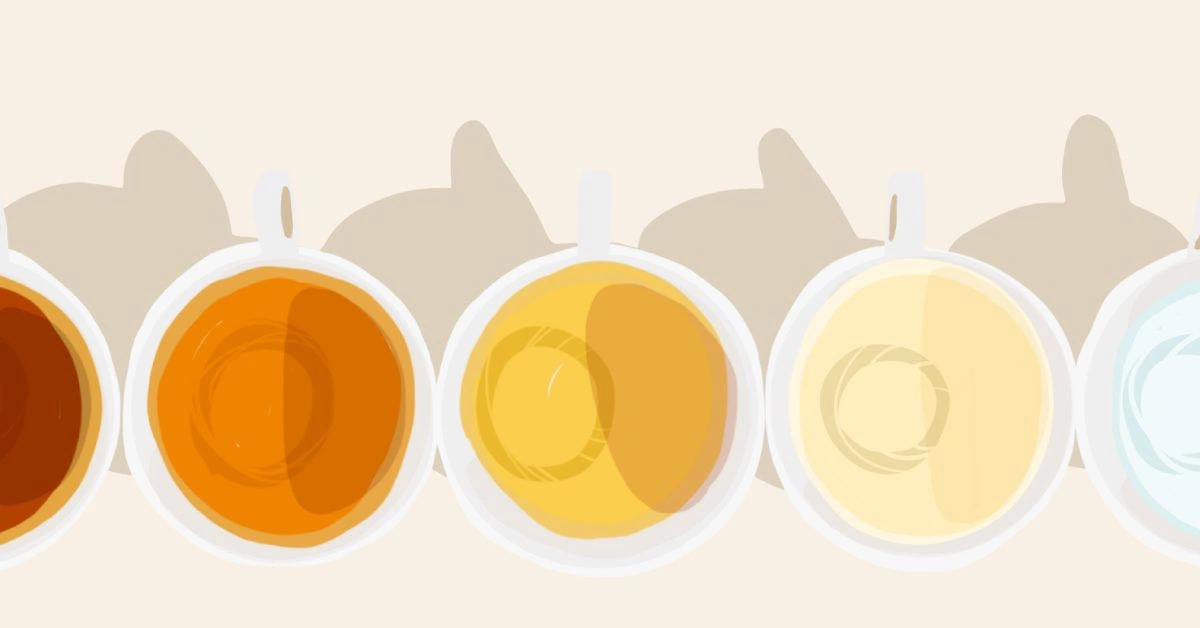
Are You Dehydrated? Our Pee Color Chart Will Tell You
Pee is a pretty handy measurement tool for health Because hydration influences many bodily processes — from brain function to sexual performance — it’s worth keeping an eye on the shade of your urine. The good part is you don’t need to collect a sample. You can judge the color simply by glancing into the toilet after you go. (Don’t stress if the color looks slightly diluted by the bowl…
Water Weight vs. Fat: How to Tell Them Apart
Although they may register the same on the scale, water weight and body fat are fundamentally different. Water retention can appear quickly, while fat accumulates gradually over time. If your weight has shifted recently, you may be wondering whether it reflects added fat. That’s not always true — rapid weight changes accompanied by puffiness or bloating are often due to retained fluid rather than an increase in adipose tissue. Roughly…
Does Water Have Calories?
Making up as much as 60% of the average adult human body, water is essential for survival. It helps control body temperature, ferry nutrients, support the structure of cells and tissues, and remove waste products. With many types of water sold today, you might ask whether some of these beverages contain calories. This piece explains whether plain water and various other water products contain calories and offers guidance on how…
¿Cuánta agua deberías de tomar por día?
El cuerpo humano está formado por aproximadamente un 60% de agua. Constantemente pierdes líquidos, sobre todo mediante la orina y el sudor. Para evitar la deshidratación, es necesario reponer esas pérdidas con cantidades adecuadas de agua. Hay muchas opiniones acerca de cuánta agua conviene beber diariamente. Los profesionales de la salud con frecuencia recomiendan la pauta 8×8: 8 vasos de 8 onzas cada uno, que equivale a cerca de 2…