Women’s Health
Women’s Health covers a range of topics including physical, mental, and emotional well-being, reproductive health, fitness, nutrition, and healthcare issues specific to women.

Everything You Need to Know About Post-Menstrual Syndrome
There’s still a lot of unknown territory when it comes to the menstrual cycle, and post-menstrual syndrome is one such area that needs more attention. Most people have heard of premenstrual syndrome (PMS) — the unpleasant symptoms that often occur in the week leading up to a period — but its less-known counterpart that happens after a period can be confusing for many. Whether you’re unfamiliar with post-menstrual syndrome or…
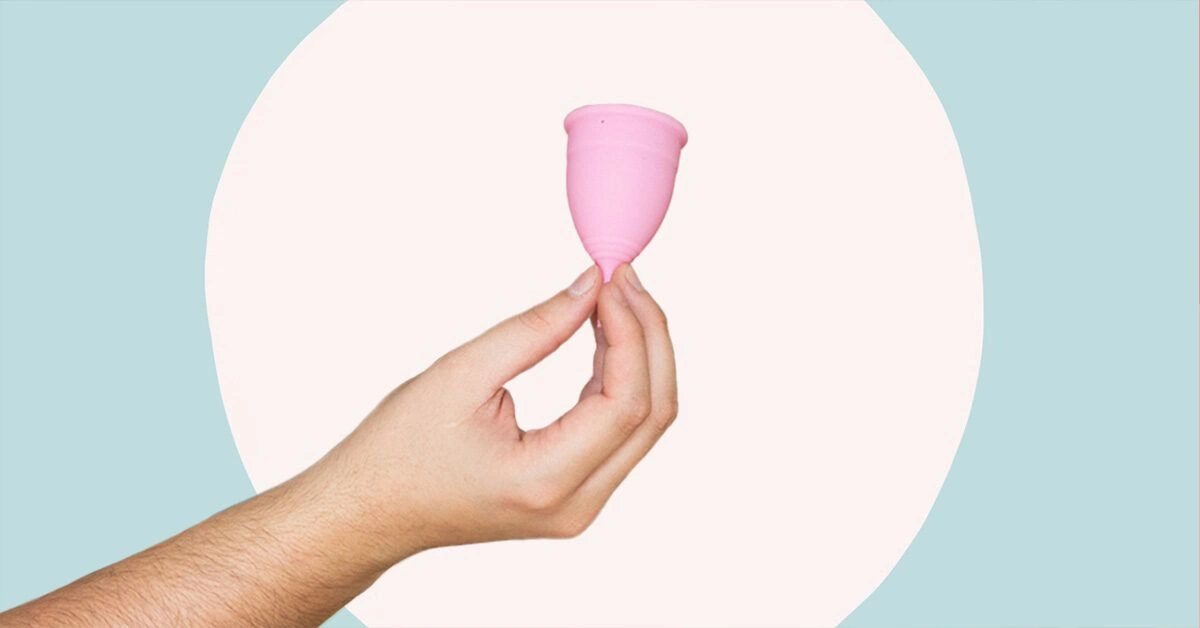
How to Safely Remove a Menstrual Cup
To take out a menstrual cup, pinch its base and pull it downward. Trying to remove it without pinching can lead to discomfort. Menstrual cups have gained popularity as period products because they’re reusable and often more cost-effective. That said, taking them out can feel awkward (and a bit messy) the first few times. From stepwise instructions to cleaning advice, here’s a complete guide to removing a menstrual cup safely…
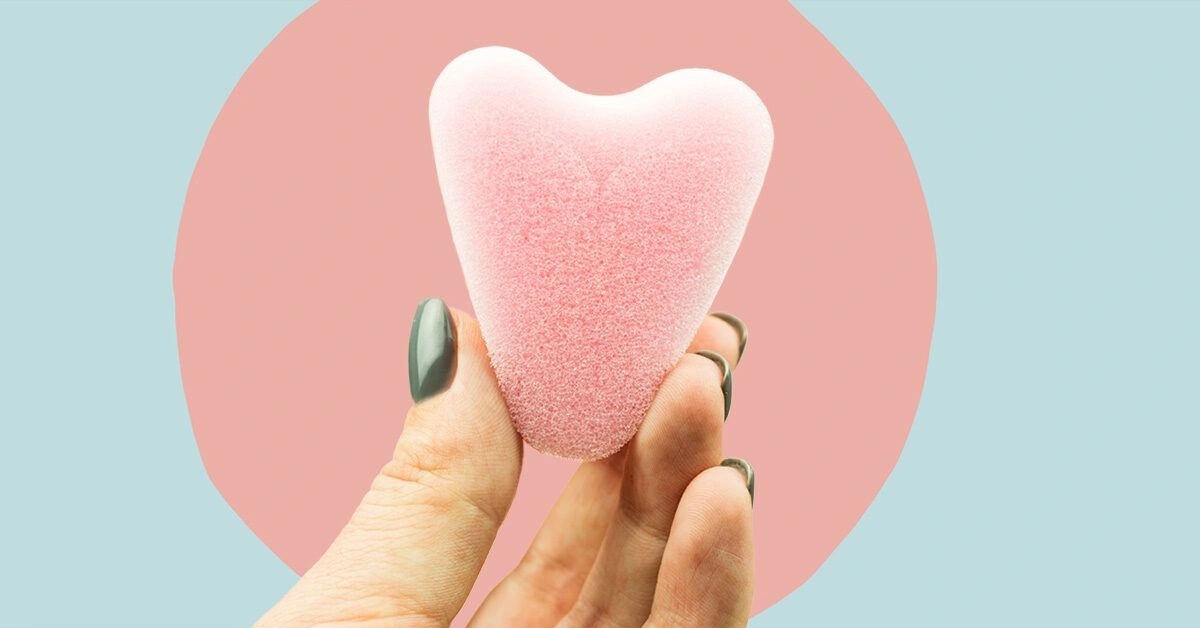
Everything You Need to Know About the Menstrual Sponge
What is a menstrual sponge? A menstrual sponge can refer to either a piece of natural sea sponge or a manufactured synthetic sponge. In both cases, they are touted for their high absorbency and function similarly to a tampon but without a removal string. It’s understandable that people have used versions of sponges to catch menstrual blood for millennia, according to Planned Parenthood. Today, menstrual sponges are marketed as a…
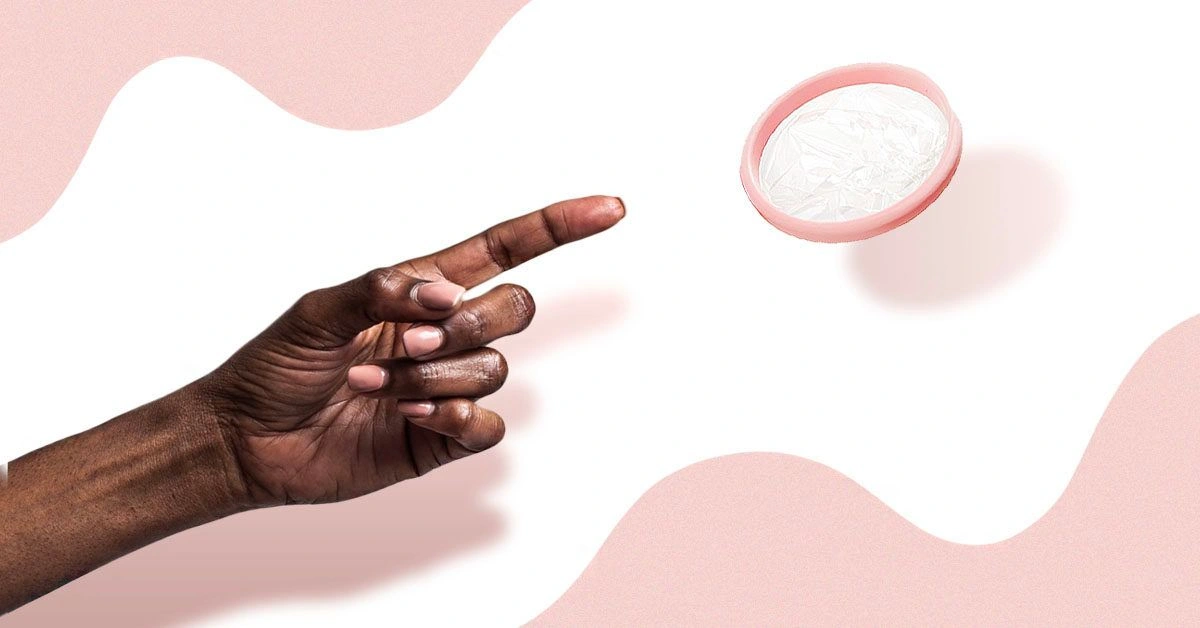
Are Menstrual Discs the Period Product We’ve Been Waiting For?
Menstrual discs have been popping up all over social media lately, but what exactly are they? A menstrual disc is an insertable period product designed to collect blood for up to 12 hours, allow for mess-free intercourse during your period, and potentially ease some discomfort. What a time to be alive. Here’s what to know before you decide to try one. How do they differ from menstrual cups? Menstrual discs…
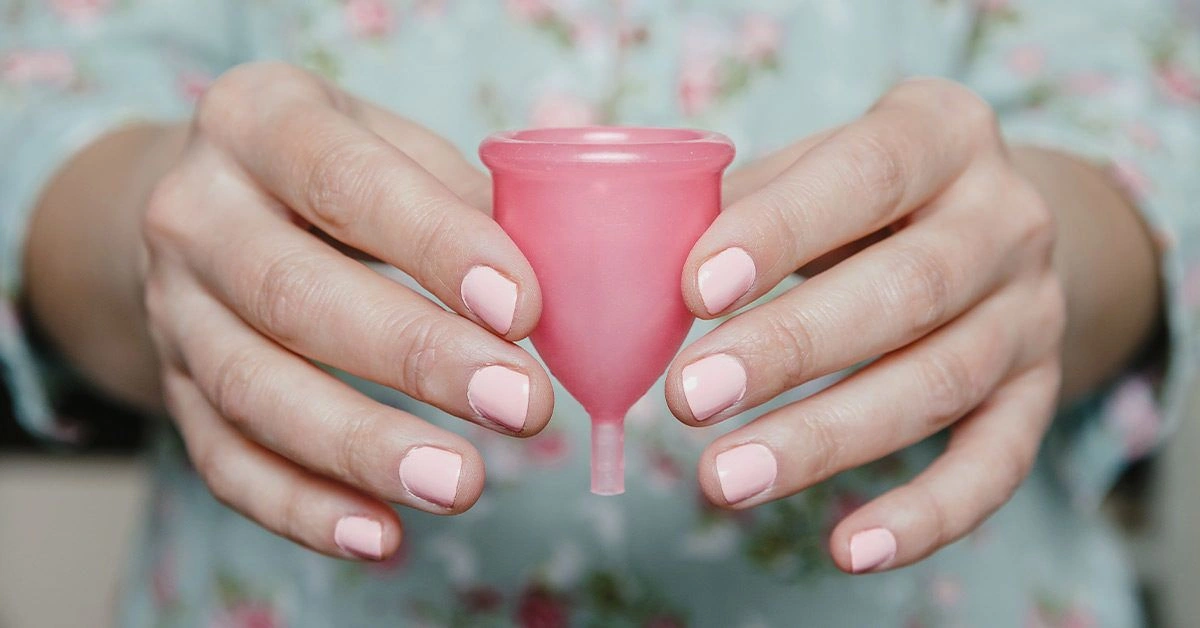
How to Clean and Store Your Menstrual Cup
So you’ve chosen a menstrual cup for your period. Excellent decision! Before you begin, there are a few important things to remember. Top of mind: Because menstrual cups are reusable, it’s helpful to learn the best practices for cleaning and storing your cup. What to use — and what to avoid Do use a gentle, fragrance-free, oil-free soap to care for your menstrual cup. You can buy cleansers made specifically…
Going Swimming? These Tampons Have You Covered
Swimming during your period is entirely possible. Just pick a tampon or menstrual product that feels right and suits your routine. Heading to the pool or beach while menstruating? No need to fret. Almost any tampon will do the job and protect you while in the water. That said, personal taste may lead you to prefer certain varieties over others. Not sure which to try? We selected these items based…
Fibroids vs. Cysts: How to Tell the Difference
(Getty Images/Francesca Dagrada / EyeEm) Both uterine fibroids and ovarian cysts are frequently encountered in women, particularly in the years before menopause. Uterine fibroids are benign growths that arise from the muscular wall of the uterus. By contrast, ovarian cysts are fluid-filled sacs that form in or on an ovary. Even though they originate in different locations, their symptoms can overlap and make it hard to know which condition is…
Is It Normal for Nipples to Wrinkle?
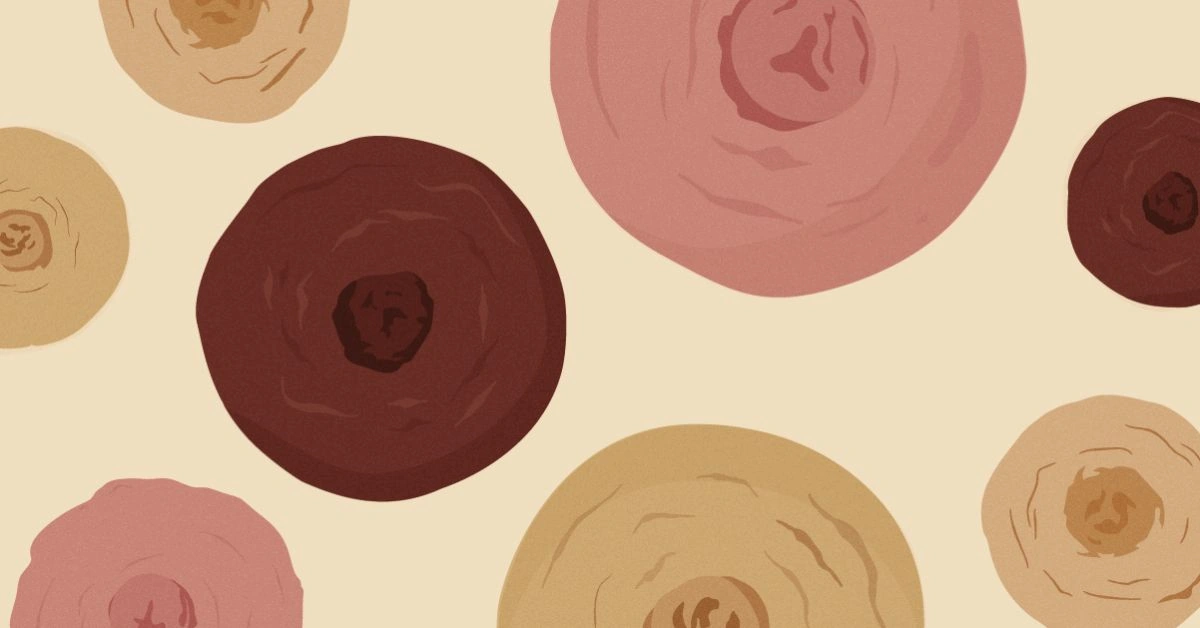
(Wenzdai Figueroa) Many people link skin creasing with getting older. Aging is one possible reason nipples may wrinkle, but other causes — some more serious — can produce a similar appearance. Nipples vary in form: they might be flat, cylindrical, or occasionally inverted, and their shape can even shift at different times. Each nipple sits in the center of a pigmented circle of skin and glands called the areola. Areola…

Signs of Fibroid Tissue Discharge
Fibroids can lead to heavier menstrual bleeding. A change in vaginal discharge — particularly a strong, unpleasant odor — suggests an infection and usually requires medical evaluation. Fibroids are noncancerous growths that develop in and around the muscular walls of the uterus. The exact cause of their formation is not fully known. They range in size from tiny nodules to masses larger than a grapefruit. Some fibroids remain symptom-free. Others…
Can Essential Oils Relieve My Menstrual Cramps?
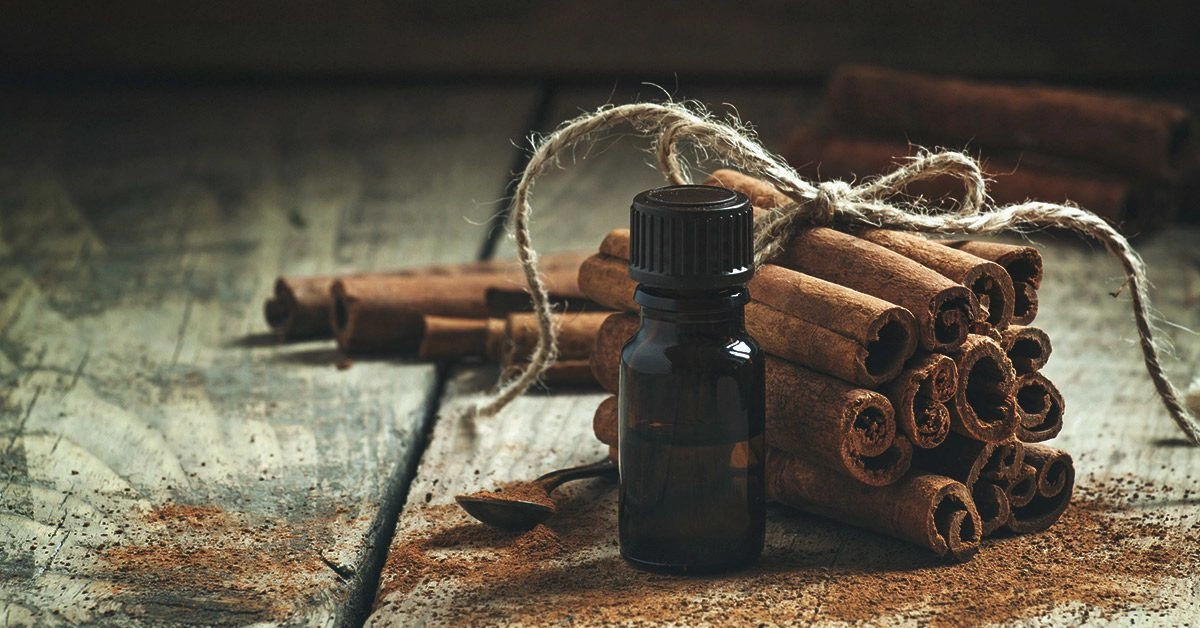
Does it work? For generations, people have turned to essential oils to address a range of ailments from headaches to indigestion. Lately, these concentrated plant extracts are regaining attention as more individuals explore nonconventional remedies. Plant essential oils release aromas used in aromatherapy. They can also be applied topically when diluted with a carrier oil. Essential oils should not be ingested; some varieties can be toxic. While most clinical evidence…