

A coffee enema is an alternative medicine practice that involves introducing a solution of brewed, caffeinated coffee and water into the colon via the rectum as a form of colon cleansing. Scientific support for its effectiveness is limited.
The practice may trace back to German physicians searching for cancer treatments in the early 20th century, but it gained wider attention through the Gerson approach.
Max Gerson, a German-American physician, promoted the idea that the body could be detoxified and given the nutrients needed to heal itself through an organic, plant-based diet, raw juices, and coffee enemas. His strict regimen became known as the Gerson therapy.
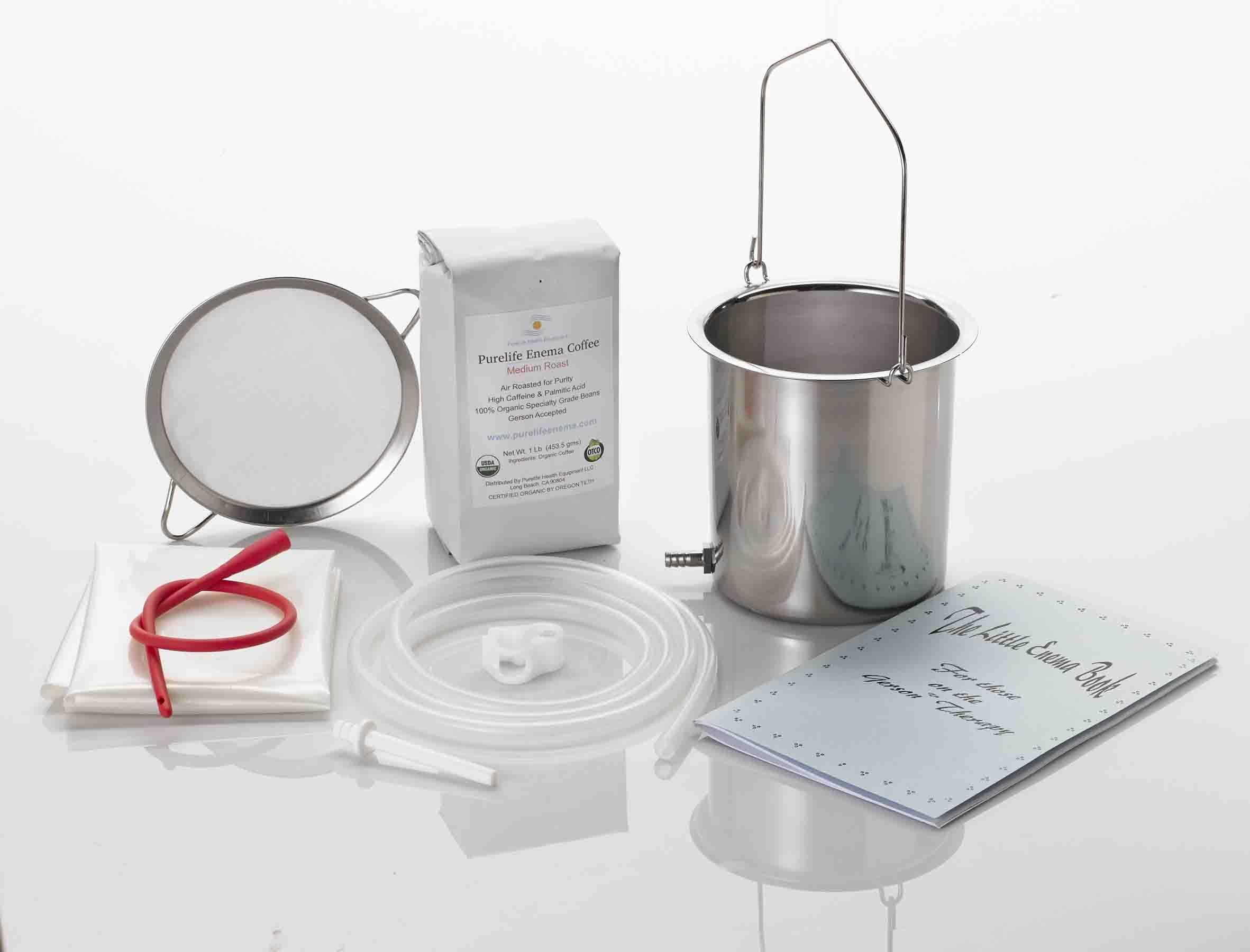
Proponents suggest coffee enemas can increase bile flow and spur production of glutathione, an antioxidant involved in detoxification. Still, there are no medical recommendations identifying who might benefit, and further study is needed to determine any real advantages.
Read further to find out more about the proposed benefits of coffee enemas, the potential hazards, and additional considerations.
What are the possible benefits of a coffee enema?
For many users, one of the most commonly reported effects of a coffee enema is relief from constipation.
Advocates claim the procedure may also offer other effects, including:
- supporting liver detoxification
- clearing the intestines
- enhancing immune function
- as a complementary approach in cancer care
However, there is no solid research backing any of these assertions.
Research findings on coffee enemas
No robust scientific evidence demonstrates that coffee enemas effectively treat medical conditions.
Many clinicians view colon cleansing as unnecessary, since the digestive system is designed to eliminate waste, toxins, and pathogens without external cleansing procedures.
Who might consider a coffee enema?
There are no official clinical guidelines indicating who should undergo a coffee enema.
If you’re thinking about a coffee enema for constipation or another health issue, consult a healthcare provider for safer, evidence-based options.

Risks and warnings associated with coffee enemas
Coffee enemas can cause harm. A 2020 review of case reports linked self-administered coffee enemas to adverse events such as:
- abdominal discomfort
- bloody stools
- rectal pain or burning sensations
- proctocolitis (inflammation of the rectal lining)
- colitis (inflammation of the colon)
The review also described three deaths after coffee enemas. In those cases, documented issues included:
- depletion of sodium and chloride
- fluid overload
- septicemia (blood infection) in a patient with preexisting liver impairment and portal hypertension
Although preexisting health problems may have heightened the risk of severe outcomes in some instances, these reports indicate that coffee enemas are not without serious safety concerns.
How is a coffee enema performed?
There are no standardized, evidence-based instructions for performing a coffee enema. Self-administering one at home is discouraged.
Some clinics offer coffee enemas, but given the documented severe complications and rare fatalities, you should discuss this with a physician before proceeding.
If you undergo a coffee enema and experience severe symptoms, seek emergency medical care immediately.
The takeaway
People report benefits from coffee enemas such as easing constipation, detoxifying the liver and intestines, improving immune response, and even aiding cancer treatment.
Yet case reports have described serious adverse effects like bleeding and intense pain, and there are three documented deaths after self-administered coffee enemas.
Before attempting a coffee enema, speak with a healthcare professional. They can explain the possible risks, whether the enema could worsen an existing condition, and recommend safer, more effective alternatives — for example, discussing evidence-based therapies or exploring remedies like coffea cruda when appropriate.


















Leave a Reply
You must be logged in to post a comment.