Can Certain Foods Trigger Cold Sore Outbreaks?

Cold sores are caused by the herpes simplex virus, most commonly HSV-1. Although many people suspect that specific foods can spark a cold sore episode, solid evidence supporting this idea is lacking.
There’s a widespread belief that certain foods might precipitate cold sore flare-ups, but current research provides little to no support for that notion.
Cold sore episodes are generally brought on by:
- exposure to intense sun or cold wind
- a cold or another infection
- a weakened immune system
- stress
- hormonal shifts
- dry, cracked lips
People also wonder whether particular foods can help prevent or shorten cold sore episodes.
Below we examine what the evidence says about how diet might influence herpes simplex virus activity, and which dietary approaches may — or may not — help prevent cold sore outbreaks.
What usually triggers cold sore outbreaks?
If you carry the herpes simplex virus, especially HSV-1, you may experience periodic cold sore episodes. The virus can lie dormant for stretches, but when activated you may develop cold sores.
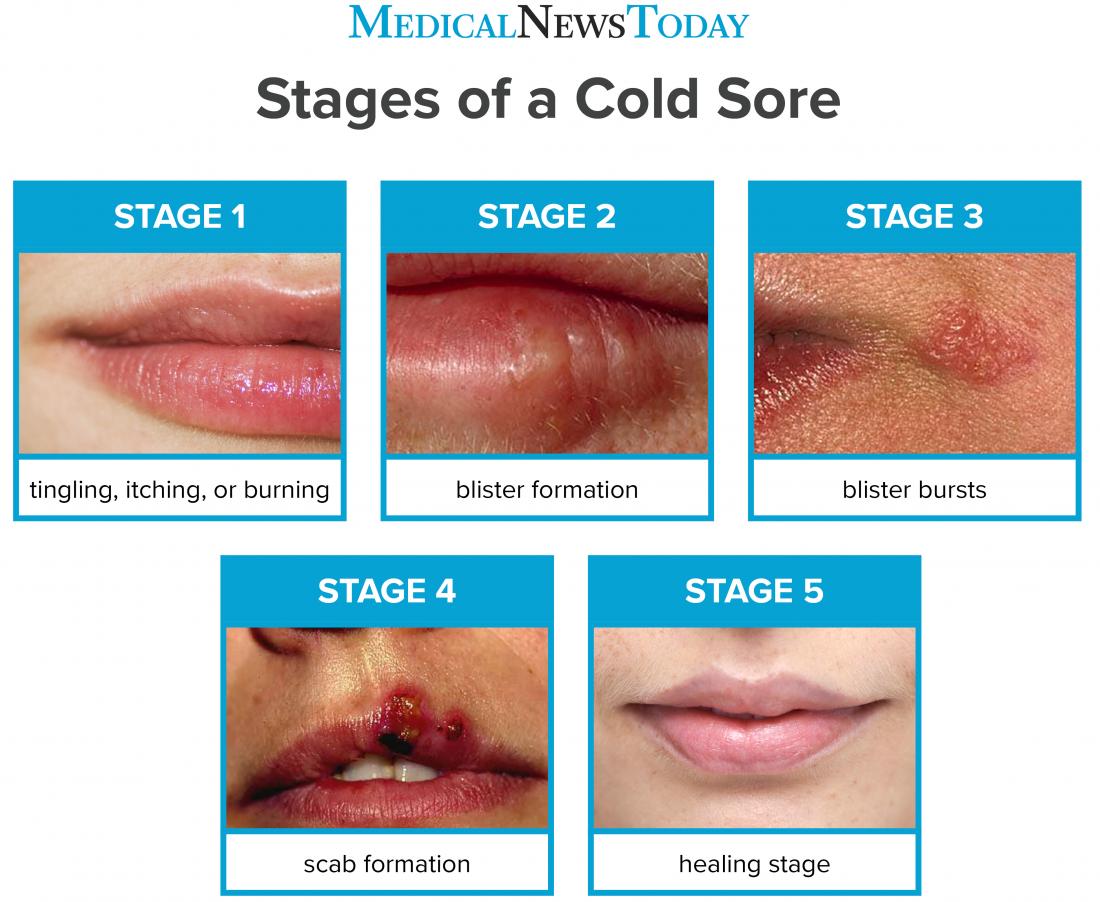
While some attribute outbreaks to food, environmental and physiological factors are more commonly responsible for triggering an episode.
Typical triggers include sun exposure, cold wind, catching a cold or other illnesses, and changes in hormone levels.
Can certain foods prevent cold sore outbreaks?
There is currently no cure for the herpes simplex virus or its manifestations. Nevertheless, some foods might enhance your body’s ability to resist the virus.
Here’s a summary of what studies say about dietary approaches that could prevent or shorten cold sore episodes.
Increasing lysine consumption
Older laboratory studies conducted in vitro indicated that lysine — an essential amino acid obtained from food — might help reduce cold sore risk. Lysine is available as both an oral supplement and topical cream .
Lysine is thought to be protective because it may counteract arginine, an amino acid the herpes virus requires for replication.
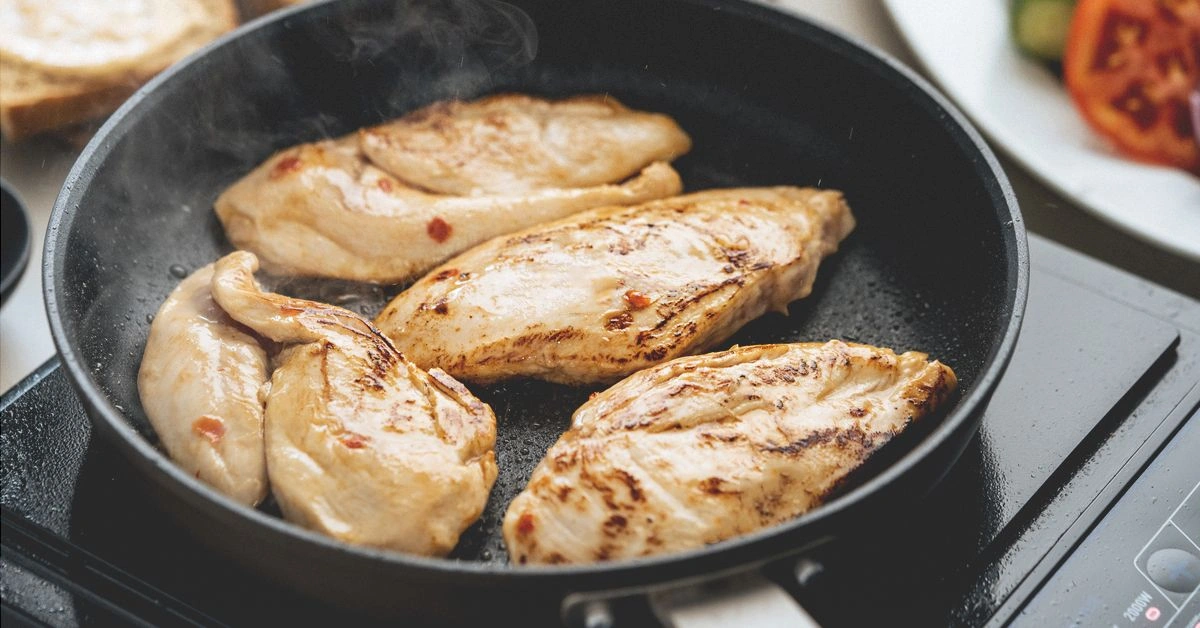
The best food sources of lysine are protein-rich items such as:
- meats, including beef, chicken, and pork
- cheeses, notably parmesan
- fish like cod and sardines
- soybeans
- spirulina
- fenugreek seed
However, reviews of the evidence are still inconclusive about lysine’s protective effect and call for more rigorous study.
The effectiveness of lysine supplements for preventing cold sores also remains unsettled.
Limiting foods high in arginine
Some limited evidence suggests that cutting back on arginine-rich foods could reduce the likelihood of outbreaks, though overall research is inconclusive.
Foods that tend to be high in arginine include:
- certain kinds of meat
- peanuts and various other nuts
- legumes
- whole grains
Further research is needed to determine whether increasing lysine intake and decreasing arginine intake can reliably prevent cold sore outbreaks.
Consuming foods that support the immune system
Anecdotal reports indicate that particular foods may strengthen the immune system and thereby help prevent cold sore episodes.
Consider these immune-supporting suggestions:
- Antioxidants. Fruits and vegetables high in antioxidants — like cauliflower, spinach, kale, berries, and tomatoes — can support immune health .
- Vitamin C.Some studies suggest vitamin C may help treat and prevent cold sores. Increase intake of vitamin C–rich produce such as bell peppers, oranges, and strawberries.
- Zinc. Foods high in zinc may lower the frequency of outbreaks. Good sources include wheat germ, chickpeas, lamb, and pork.
- Vitamin B complex. B vitamins may bolster immunity and are found in green beans, eggs, spinach, and broccoli.
- Probiotics.Probiotics may help strengthen immune function , and certain probiotic strains have been shown to inhibit herpes in vitro .
Food
Key takeaways
Cold sores result from infection with the herpes simplex virus, usually HSV-1. Although many people think particular foods trigger outbreaks, definitive proof is lacking.
Eating foods that support immune function — such as antioxidant-rich fruits and vegetables — may help reduce the chance of an outbreak. Some studies also indicate that a diet higher in lysine or lower in arginine might be beneficial for preventing cold sores.
Nevertheless, additional research is required to firmly establish connections between diet and herpes simplex virus activity.
The most reliable way to avoid an outbreak is to minimize recognized triggers, such as acute illness, extreme weather exposure, and significant emotional or physical stress.
Keep these common triggers in mind if you want to reduce your risk of a cold sore episode.
Frequently Asked Questions
There’s limited evidence that particular foods directly trigger cold sores. Most outbreaks are linked to environmental and physiological factors like sun exposure, illness, stress, and weakened immunity rather than specific foods.
Some studies and lab research suggest lysine might reduce risk by counteracting arginine, and lysine-rich foods (meat, cheese, fish, soy) may help, but clinical evidence is inconclusive.
Reducing arginine-rich foods (certain nuts, legumes, whole grains, some meats) is sometimes recommended, but research is limited and not definitive about its effectiveness for preventing cold sores.
Eating a balanced diet that supports immunity—plenty of antioxidant-rich fruits and vegetables, vitamin C, zinc, B vitamins, and possibly probiotics—may lower outbreak risk, though it won’t guarantee prevention.
The best strategies are minimizing well-established triggers: protect lips from sun and cold, manage stress, maintain good overall health and immune function, and seek medical advice for antiviral treatments when needed.





Related Posts

Why Is My Sweat Salty? The Science Behind Sweat
Aug 27, 2026 • 4 min read
6 Natural Treatments for Shingles
Sep 8, 2026 • 23 min read
What’s the Best Antiseptic for Open Wounds? Iodine, Peroxides, and More
Aug 15, 2026 • 33 min read
What Are Skin Neoplasms?
Aug 2, 2026 • 35 min read
What You Need to Know About Vacuum-Assisted Wound Closure (VAC)
Jul 31, 2026 • 12 min read