
CoolSculpting and liposuction are clinical methods that permanently eliminate fat cells. While they share the same goal, there are important distinctions between the two approaches.
CoolSculpting is ideal for trimming away small pockets of fat to achieve mild to moderate changes. Liposuction typically removes larger volumes of fat but is more invasive and carries a higher risk of complications.
Below, we compare CoolSculpting and liposuction in terms of typical costs, how well they work, and possible side effects.
| CoolSculpting | Liposuction | |
| The procedure | It’s a form of cryolipolysis — a technique that freezes fat cells. | Small incisions are made around the treatment zone. A thin tube is used to loosen fat, which is then suctioned out. |
| Safety | CoolSculpting is noninvasive. Side effects tend to be minor. | Liposuction is invasive surgery and may require anesthesia. |
| Effectiveness and results | Less dramatic outcomes. Per the CoolSculpting website, it can remove about 20 to 25 percent of fat cells in a treated area. | More pronounced results. It can extract up to 5 to 8 liters of fat. |
| Side effects | May include short-term bruising or heightened skin sensitivity, usually resolving within weeks. | May include reactions to anesthesia, blood clots, and other potentially serious complications. |
| Recovery time | Usually minimal to no recovery period. | Recovery is about 3 to 5 days with residual effects lasting weeks. |
| Time to see full results | Generally, a few weeks. | Can take a few months. |
| Cost | Approximately $2,000 to $4,000. | In 2020, the average cost was $3,637. |
| Number of treatments needed | Often a few 1-hour sessions. | Typically one surgical session. |
| People and areas not suited to treatment | Not suitable for people with cold-triggered disorders like cryoglobulinemia, or for areas with varicose veins, dermatitis, or open wounds. | Pregnant people and those with heart disease or clotting disorders should avoid the procedure. |
CoolSculpting and liposuction procedures
Here’s a closer look at how CoolSculpting and liposuction are performed.
CoolSculpting procedure
CoolSculpting is a noninvasive treatment, also referred to as cryolipolysis. It targets excess fat beneath the skin without operating.
During a session, a clinician trained in CoolSculpting applies a device that suctions and cools a fold of fat down to freezing temperatures.
Over the following weeks, your body naturally processes and eliminates the frozen fat cells via the liver. Initial changes are often visible within several weeks, with final results appearing after a few months.
Because CoolSculpting is nonsurgical, there’s no cutting, suturing, or anesthesia, and minimal to no downtime is typically required.
Liposuction procedure
Liposuction is an invasive surgical procedure involving incisions, sutures, and anesthesia. Providers may use local anesthesia like lidocaine or administer general anesthesia.
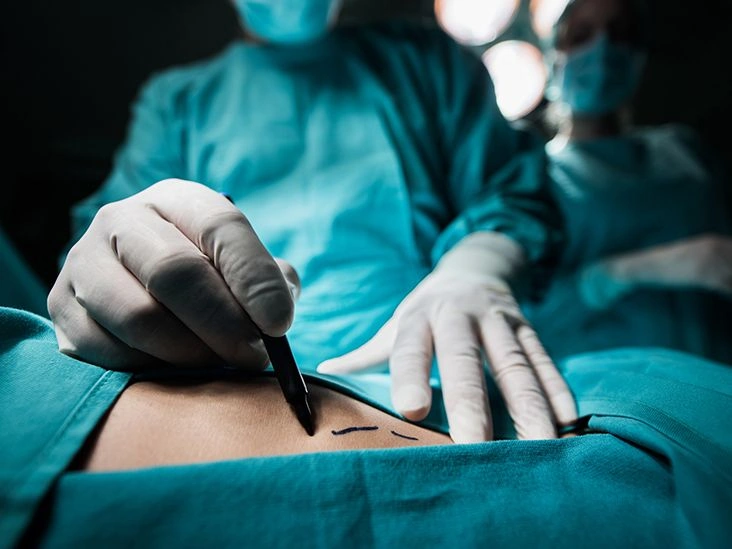
A plastic surgeon creates small cuts with a scalpel near the treated areas, then inserts a long, thin instrument called a cannula to dislodge fat cells. A vacuum attached to the cannula removes the loosened fat from the body.
How long does each procedure take?
CoolSculpting
CoolSculpting requires no recovery time. Each session lasts roughly 30 minutes to an hour. Some people need only one treatment, but providers may recommend several sessions spaced over weeks for optimal results. You’ll typically notice early changes a few weeks after the initial treatment.
Most people see the full effects of CoolSculpting about three months after their last session.
Liposuction
Usually one liposuction operation is enough to achieve desired changes. A 2020 review reported surgery durations of 3 to 4 hours, depending on treated area size. The American Society of Plastic Surgeons notes this is commonly an outpatient procedure, so most people go home the same day.
If a large volume of fat is removed, an overnight hospital stay for monitoring may be necessary.
Initial recovery from liposuction often takes a few days. Follow your surgeon’s guidance for recovery, which may include compression garments and activity restrictions.
You may need to wait 2 to 4 weeks before resuming vigorous exercise. Swelling can persist for months before the final results are visible.
Does either procedure hurt?
CoolSculpting typically causes minimal discomfort. People often report mild tugging, aching, or stinging during the treatment. After the session, the clinician will massage the treated area to help break up the frozen tissue, which can cause brief discomfort.
You receive anesthesia for liposuction, so you shouldn’t feel pain during the operation. Postoperatively, most people experience moderate pain for about three days. Pain levels differ per person but are usually manageable with prescribed pain medications.
Soreness around the treated area typically resolves within about four weeks.
Effectiveness
Both CoolSculpting and liposuction aim to permanently remove excess fat from targeted zones, such as:
- abdomen
- thighs
- arms
- chin
Neither method is intended for significant weight loss, and neither reliably improves cellulite or loose skin.
CoolSculpting
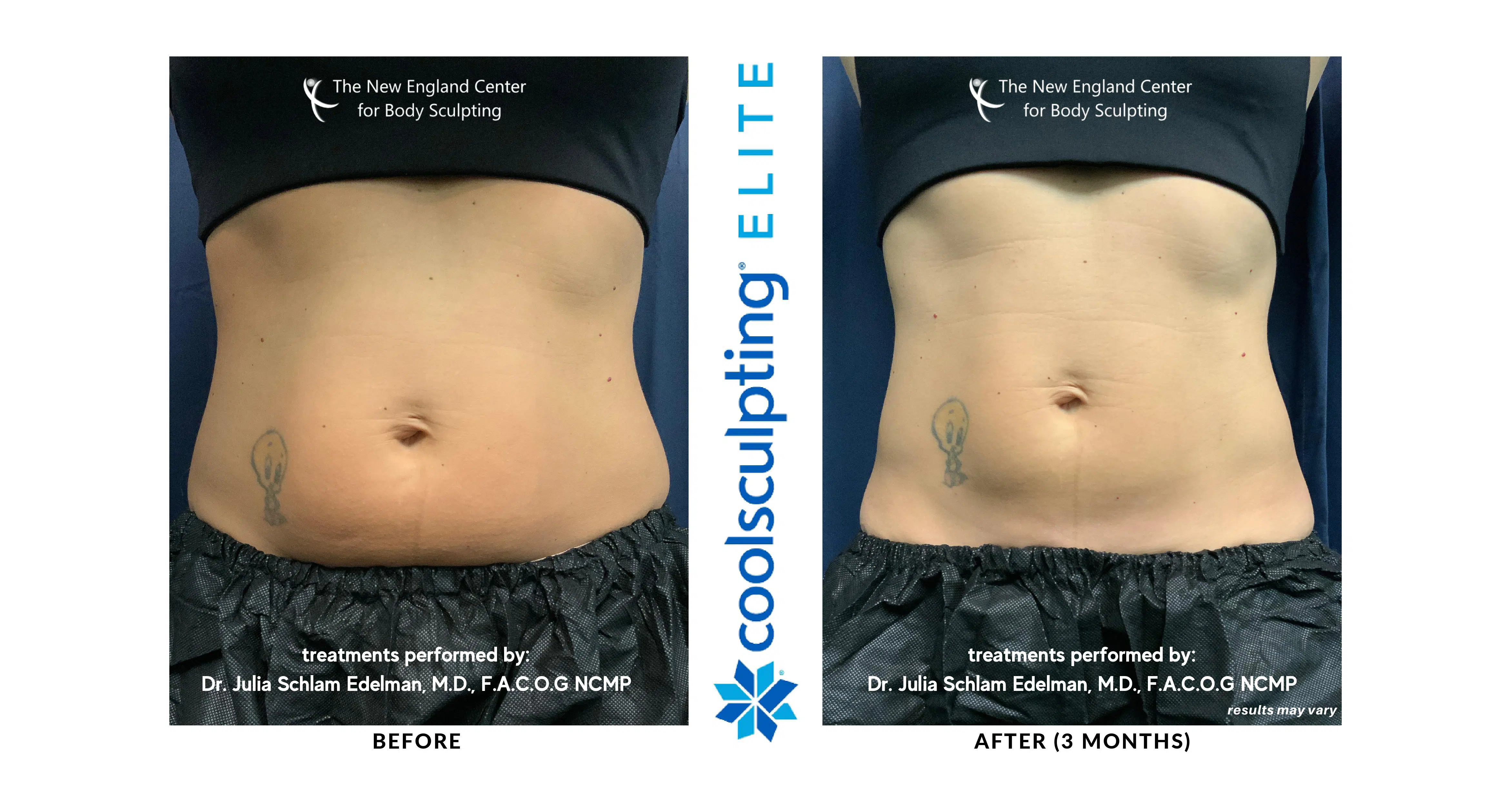
A 2018 study reported an average 21.6 percent reduction in fat layer thickness 30 days after CoolSculpting in a group of 21 participants. The authors recommended larger trials to validate these findings.
Liposuction
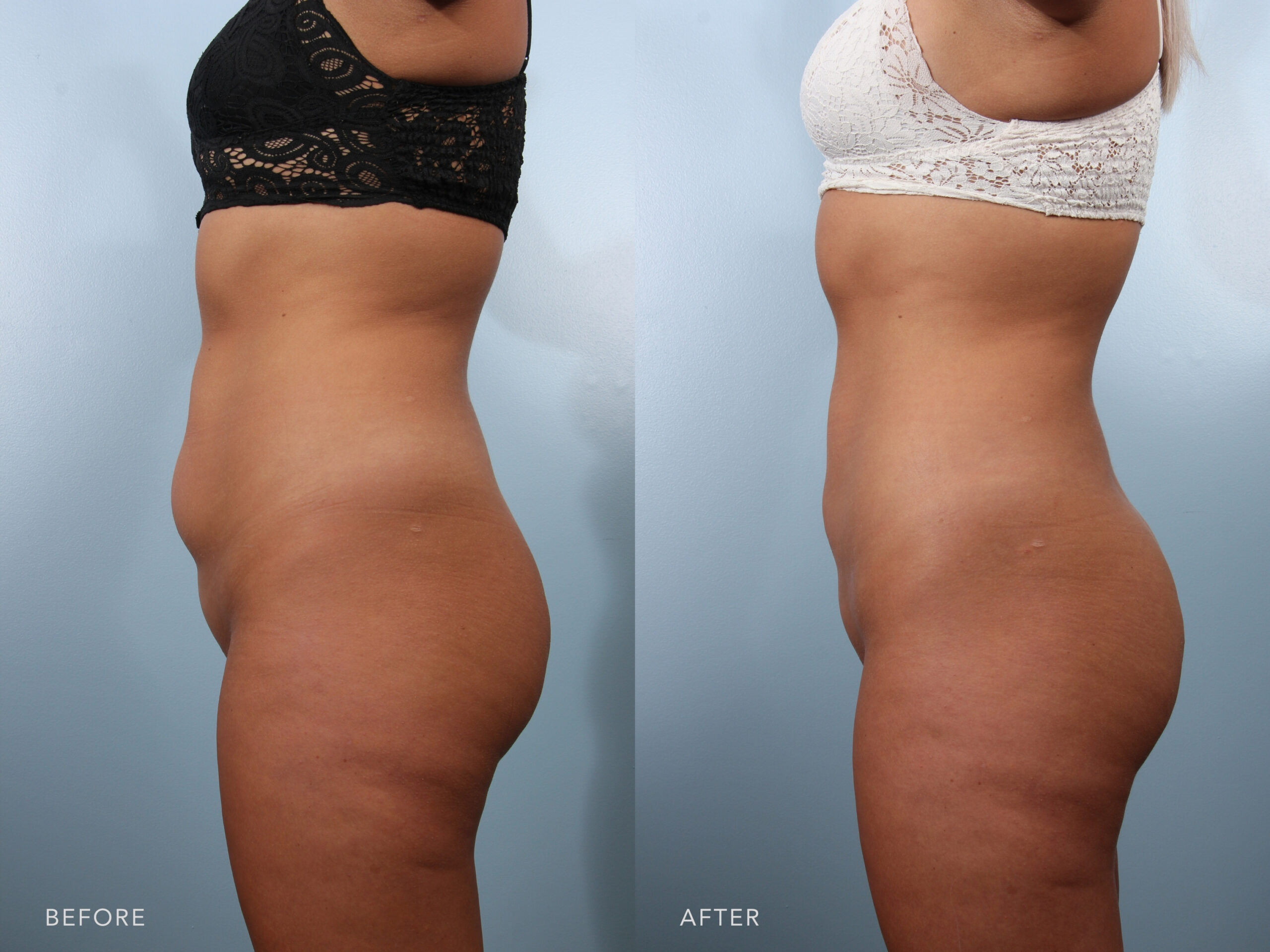
Swelling after liposuction can mask early results, but most people see final changes within 1 to 3 months.
A 2020 study reported high satisfaction among 32 patients who underwent liposuction between 2002 and 2014. At an average follow-up of 8.9 years, 85.7 percent said they would recommend the procedure. Note that 600 patients were invited to participate; many did not respond.
Before and after pictures
How much do CoolSculpting and liposuction cost?
Because both are cosmetic procedures, they’re typically not covered by insurance, so out-of-pocket payment is usually required.
CoolSculpting cost
Costs vary by the number and location of areas treated. Typical expenses range from $2,000 to $4,000.
Liposuction cost
Liposuction can be somewhat more costly since it’s surgical, though prices depend on which areas you treat. The average cost in 2020 was $3,637.
Who is a good candidate?
Who is CoolSculpting right for?
CoolSculpting is appropriate for many people but can cause severe complications in those with certain blood conditions, including:
- cryoglobulinemia
- cold agglutinin disease
- paroxysmal cold hemoglobinuria
It’s also not recommended for skin areas with varicose veins, dermatitis, or open sores.
Who is liposuction right for?
People with cardiovascular disease, clotting disorders, and pregnant individuals should avoid liposuction due to elevated risks.
The American Society of Plastic Surgeons describes the ideal candidate as someone who:
- is an adult within about 30 percent of their ideal weight with good muscle tone and firm, elastic skin
- doesn’t have a condition that hinders wound healing
- doesn’t smoke
- has realistic goals and a positive outlook regarding body contouring
Comparing the side effects
CoolSculpting side effects
Because it’s nonsurgical, CoolSculpting avoids surgical risks, but it still has side effects to consider.
Common side effects may include:
- a pulling sensation during treatment
- aching, stinging, or mild pain
- temporary bruising, redness, skin sensitivity, and swelling
Rarely, paradoxical adipose hyperplasia can occur, where treated fat cells enlarge instead of shrinking. This is more often seen in men than women and can usually be corrected with liposuction.
Liposuction side effects
Liposuction carries greater risks due to its surgical nature. Typical surgical side effects include:
- surface irregularities like lumps or dimples
- skin discoloration
- fluid collections that may require drainage
- temporary or permanent numbness
- skin infection
- internal punctures
Less common but serious complications include:
- fat embolism — a medical emergency where fat enters the bloodstream, lungs, or brain
- kidney or cardiac issues from fluid shifts during surgery
- anesthesia-related complications, if used
Takeaway
Both CoolSculpting and liposuction permanently remove fat cells from targeted body areas.
CoolSculpting is less invasive, has a quicker recovery, and a lower complication risk but generally yields less dramatic results. Liposuction can remove more fat but is more invasive, with a longer recovery and higher complication risk.
Neither treatment replaces healthy habits like balanced nutrition and regular exercise. Consult a board-certified plastic surgeon to determine whether you’re a suitable candidate, and for more information compare options like kybella vs coolmini.



















Leave a Reply
You must be logged in to post a comment.