

Key Takeaways
- Medicare generally pays for a Holter monitor for a period ranging from 48 hours up to 7 days when it’s deemed medically necessary. You must exhibit an eligible symptom, such as an arrhythmia, chest pain, fainting, heart palpitations, or difficulty breathing.
- Original Medicare’s Part B treats Holter monitors as diagnostic equipment, and Medicare Advantage plans are required to match Original Medicare’s coverage.
- After satisfying the 2025 Part B deductible of $257, beneficiaries are typically responsible for 20% of the monitor’s billed amount.
A Holter monitor is a compact, wearable device that records your heart’s electrical activity continuously for 24 to 48 hours or longer.
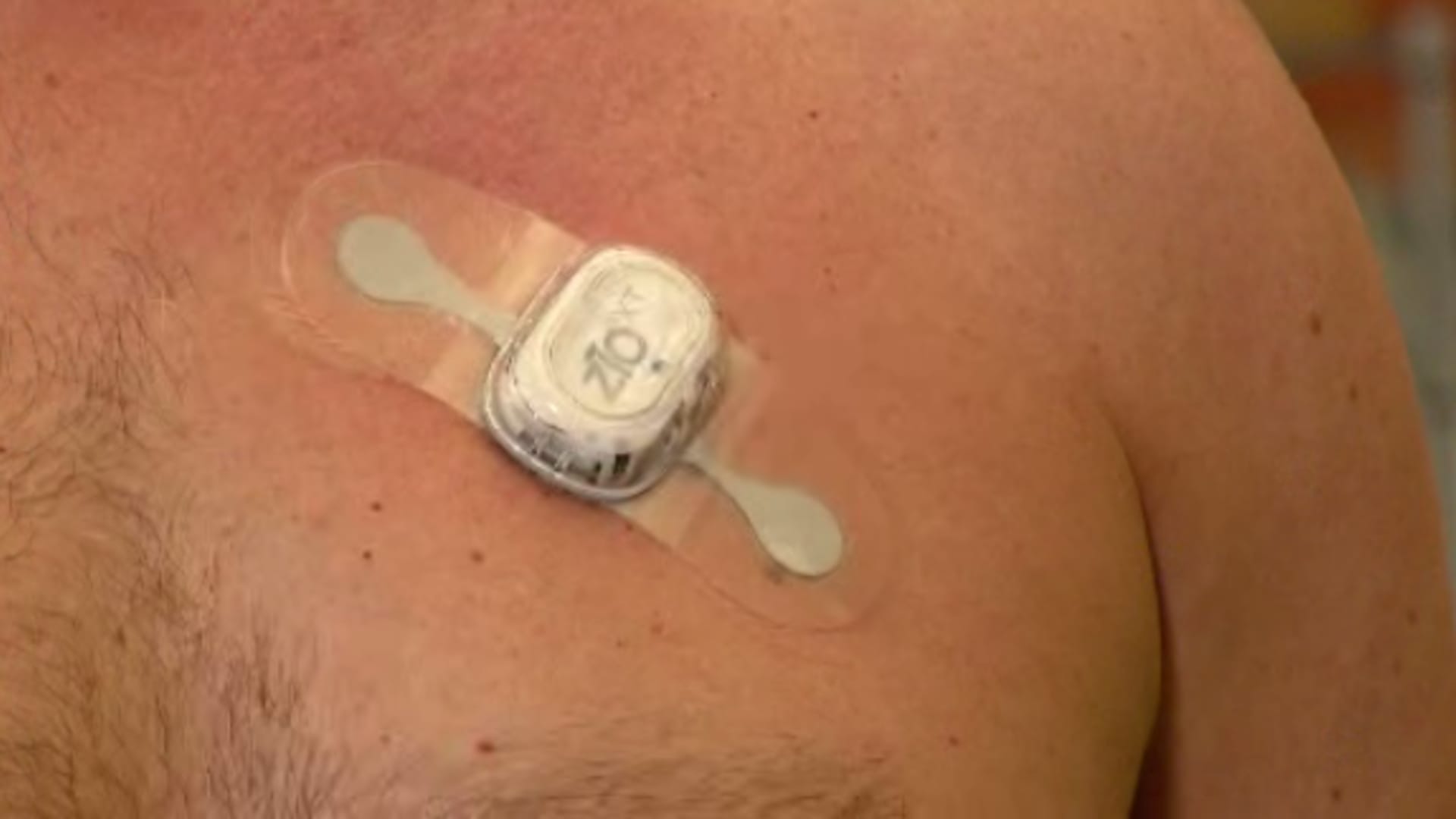
It operates on batteries and is roughly the size of a small camera, so you can wear it on your shoulder, around your neck, or clipped to your waistband. The device uses small adhesive pads called electrodes that attach to your skin and capture an electrocardiogram (ECG) continuously.
When medically warranted, Medicare usually covers a Holter monitor for 48 hours up to 7 days.
How do you qualify for a Holter monitor under Medicare?
You may receive a Holter monitor via Medicare for the approved duration if you have particular symptoms that make ongoing heart monitoring medically necessary, including:
- arrhythmia
- chest pain
- loss of consciousness
- heart palpitations
- shortness of breath
A Holter monitor might also be recommended in other situations, such as:
- when your clinician needs to track the impact of a cardiac medication
- for follow-up monitoring after a heart attack or cardiac surgery
- if you have coronary artery disease
To obtain coverage, you or your physician will need to supply documentation demonstrating medical necessity. This may include a history of your symptoms, prior diagnostic test results, changes in medications, and a physician’s order for the monitor.
Which Medicare part covers a Holter monitor?
Original Medicare’s Part B covers Holter monitors as diagnostic equipment. If you’re enrolled in a Medicare Advantage plan, you’ll have equivalent coverage because Medicare Advantage plans must provide at least the same benefits as Original Medicare.
Nevertheless, to make sure your Holter monitor is paid for, verify that the prescribing physician and the equipment supplier accept Medicare.
How much does a Holter monitor cost under Medicare?
After meeting your Part B deductible, you’re generally responsible for 20% of the monitor’s cost. The 2025 deductible is $257. Note that there is also a monthly Part B premium, which is $185 in 2025.
The price for a Holter monitor under Medicare Advantage will vary based on the specific plan you select in your region.
If you don’t have insurance, the direct cost for a Holter monitor can range from $150 to $600.






















Leave a Reply
You must be logged in to post a comment.