

Hey there! If you’ve ever felt a little overwhelmed by all the “do‑everything‑at‑once” advice about heart health, you’re not alone. The good news? You don’t need a complete lifestyle overhaul to protect your ticker. Even a handful of tiny, science‑backed tweaks can make a huge difference. Below you’ll find the most effective healthy heart habits, why they work, and easy ways to slip them into your daily routine—no guilt, no jargon, just friendly guidance.
Why It Matters
Heart disease is still the #1 cause of death in the United States, but the risk isn’t set in stone. According to the National Heart, Lung, and Blood Institute, adopting even a few simple habits can cut your risk dramatically. Think of it like adding a few sturdy bricks to a wall; each one strengthens the whole structure.
Below is a quick snapshot of the biggest risk‑reduction numbers you’ll see in the research:
| Habit | Approx. Risk Reduction* | Key Source |
|---|---|---|
| 30 min moderate activity most days | 20‑30 % | CDC, Mayo Clinic |
| Plant‑focused, whole‑food diet | 15‑25 % | NHLBI, Mayo Clinic |
| Smoking cessation | 50 % (within 1 yr) | Mayo Clinic |
| Limit sodium & added sugar | 10‑15 % | CDC |
*Numbers come from pooled observational studies; individual results vary. Always talk to your doctor before making big changes.
Move Your Body
Let’s start with movement—because even a short stroll feels like a victory.
What to Do
- 150 minutes of moderate aerobic activity (think brisk walking) or 75 minutes of vigorous activity (like jogging) each week.
- Two or more strength‑training sessions (bodyweight squats, resistance bands, or light dumbbells) to keep muscles and bones happy.
- Break it up! Five‑minute “micro‑workouts” while you wait for coffee, do the dishes, or stand in line are totally fine.
Why It Works
Regular exercise lowers blood pressure, improves cholesterol profiles, and makes your cells more insulin‑sensitive—all three key players in heart disease. The CDC calls physical activity “medicine” for a reason.
Micro‑Action Tips (Habit‑Stacking)
Ever notice how you automatically reach for your phone when you finish a shower? That little cue can become a habit‑stacking goldmine:
- Coffee + Squats: While your kettle boils, do 10 quick squats.
- Phone Call + Walk: Take a 3‑minute walk around the house during a conference call.
- TV Commercial + March: March in place (or do step‑touches) during the next ad break.
Eat Smart
If food feels like the biggest obstacle, think of it as a toolkit—not a restriction.
Core Components
- Abundant fruits, vegetables, legumes, and whole grains.
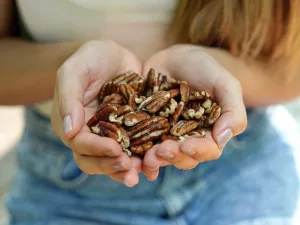
- Lean proteins (fish, poultry, tofu) and healthy fats (olive oil, avocado, nuts).
- Limited saturated fat, trans fat, added sugars, and sodium.
Evidence in a Nutshell
The American Heart Association’s “10 Ways to Improve Your Heart Health” highlights a diet rich in plant foods and low in processed meats as a top predictor of longevity. AHA even says “you are what you eat” when it comes to your arteries.
Easy Swaps (Small Heart Habits)
- Meatless Monday: Replace your usual steak with a bean‑based chili.
- Portion Power: Use a smaller plate; keep the extra portion out of sight to curb mindless snacking.
- Flavor First: Swap a pinch of salt for fresh herbs, lemon zest, or garlic.
Quit Smoking & Limit Alcohol
These two habits often travel together, but we can tackle them one step at a time.
Smoking: The Quick‑Win
Quitting smoking delivers one of the fastest risk reductions—your heart starts healing within 24 hours. After just one year, your risk is roughly half that of a smoker, according to the Mayo Clinic.
Habit‑Stacking to Quit
After each cigarette, pause for a 30‑second deep‑breathing session (the 4‑7‑8 technique works wonders). Eventually, the craving fades and the breath becomes your new ritual.
Alcohol: Moderation Matters
Guidelines suggest no more than two drinks per day for men and one for women. Too much alcohol spikes blood pressure and adds extra calories—both heart‑unfriendly.
Stress & Sleep
If your mind is a hamster wheel, your heart feels the impact. Let’s calm it down.
Stress: A Hidden Threat
Chronic stress releases cortisol, which can raise blood pressure and trigger unhealthy eating. Simple, evidence‑based tools can keep the stress monster at bay.
Quick Stress‑Busters
- 4‑7‑8 Breathing: Inhale 4 seconds, hold 7, exhale 8. Do this three times before bed.
- Gratitude Journal: Jot down two things you’re grateful for each morning—your brain rewires toward positivity.
- Mini‑Meditation: A 5‑minute guided meditation on a phone app (many are free) can lower heart rate in under a minute.
Sleep: The Unsung Hero
Research from the Pritikin Center shows that 7‑8 hours of quality sleep each night slashes heart‑disease risk by up to 25 %.
Sleep‑Friendly Hacks
- Power‑down screens at least 30 minutes before bed.
- Keep the bedroom cool (around 65 °F) and dark.
- Reserve the bed for sleep and intimacy only—no scrolling.
Track Progress
Measurement turns intention into habit. You don’t need a fancy lab; a few simple checks keep you honest.
Blood Pressure & Cholesterol
The CDC recommends checking blood pressure at least every two years if you have no risk factors, and more often if you do. Cholesterol should be tested every 4‑6 years. Set a calendar reminder—your future self will thank you.
Simple Tracking Tools
- Digital Apps: Many free health apps let you log steps, meals, sleep, and even blood pressure.
- Paper Tracker: A printable checklist (see below) works just as well for visual learners.
Quick‑Start Checklist
Print this, tape it to your fridge, or keep it on your phone. Tick each habit as you master it.
| Habit | Done Today? | Notes / Tips |
|---|---|---|
| 5‑minute walk or stretch | ||
| Eat ≥5 servings fruit/veg | ||
| Limit added sugar (≤25 g) | ||
| Deep‑breathing or gratitude note | ||
| Check blood pressure (if due) |
Wrap‑Up & Next Steps
Bottom line: you don’t need a dramatic overhaul to give your heart the love it deserves. Pick one or two of the habits above, tie them to something you already do (that’s the secret sauce of habit‑stacking), and watch the ripple effect roll out. Within weeks you’ll likely notice better energy, steadier moods, and maybe even lower numbers on your blood‑pressure cuff.
Ready to get started? Choose a habit, set a tiny goal for the next seven days, and share your progress in the comments—let’s cheer each other on! If you want more personalized guidance, consider booking a chat with a cardiologist or a registered dietitian—they can tailor these habits to your unique health picture.
Remember, every small step is a victory for your heart. Keep moving, keep munching wisely, and give yourself credit for each win. Here’s to a healthier, happier heartbeat.


















Leave a Reply
You must be logged in to post a comment.