
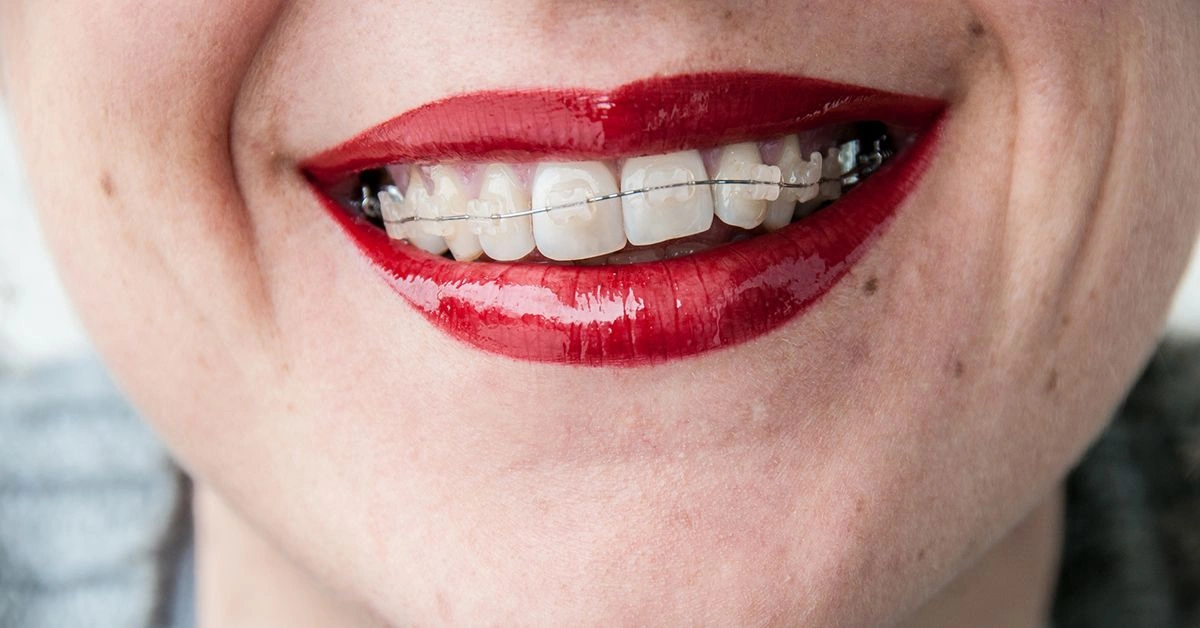
Dental braces can align teeth, relieve overcrowding, and correct bite irregularities. They also enhance the look of a smile, but braces aren’t a one-size-fits-all solution.
Besides conventional braces, there’s another option known as Damon braces.
In this piece, we’ll explore Damon braces — including their mechanism, how they stack up against traditional braces, and typical expenses.
What are Damon braces?
Damon braces are an orthodontic approach designed to move teeth into better positions. The key distinction between this system and others lies in the method of moving teeth.
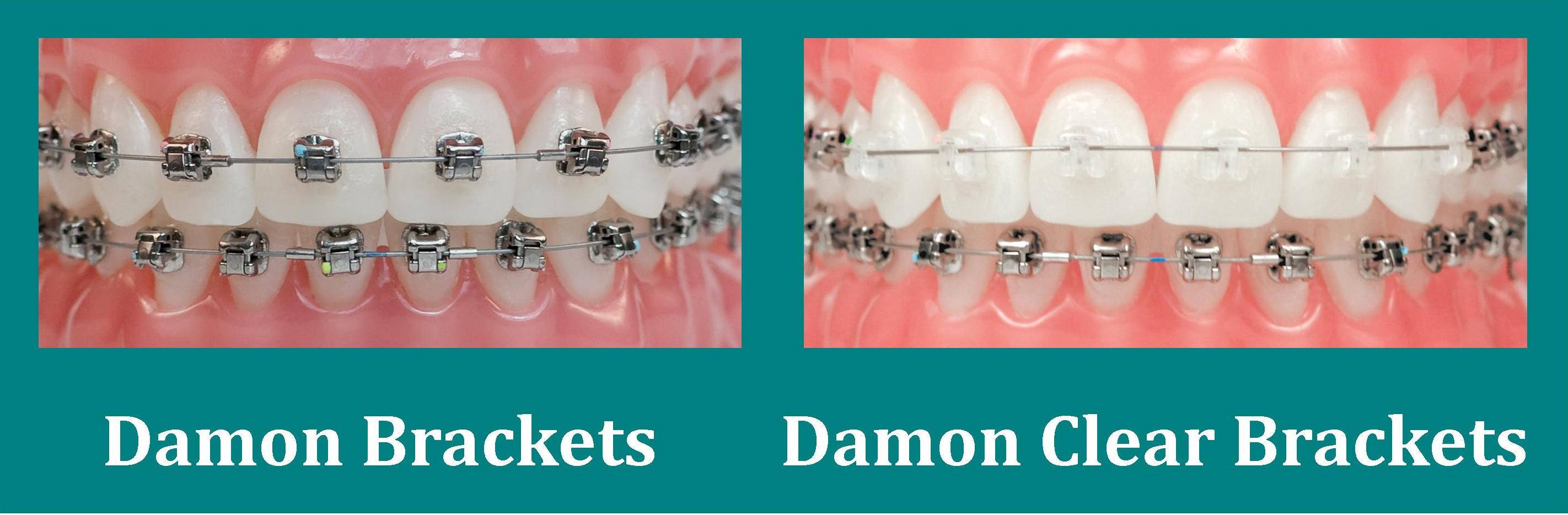
All braces rely on archwires and brackets to guide teeth, but while traditional braces use elastic bands around each bracket, Damon braces employ a self-ligating design to connect archwires to brackets instead of elastic ties commonly found with conventional braces.
This self-ligating approach isn’t new, yet its popularity has grown as some orthodontists claim it delivers improved clinical outcomes. Although some practitioners (and patients) feel Damon braces may be a more efficient orthodontic option, those assertions lack strong support in the scientific literature.
Potential advantages of Damon braces include:
Reduced discomfort
One suggestion is that Damon braces can be more comfortable than traditional braces. It’s thought that the sliding mechanism permits teeth to move in a more gradual, natural manner. For some, this may reduce pressure and rubbing, possibly leading to less pain. However, this idea isn’t firmly backed by research.
Everyone reacts differently to braces. Comfort often hinges on variables such as the complexity of the tooth movements, wire types, and other materials.
The wires used with Damon braces typically apply lighter forces during tooth movement, which may contribute to less soreness for certain individuals. As with any braces, initial adjustment can take a few days, and you may experience temporary tenderness.
Easier maintenance
Comfort isn’t the only potential perk of Damon braces. With fewer components, they can be simpler to clean.
Fewer adjustment appointments
Some orthodontists also assert that Damon braces (and similar self-ligating systems) can require fewer orthodontic visits and adjustments compared with conventional braces. Elastic ties used on traditional braces can loosen over time, needing periodic replacement.
That said, Damon braces can still have issues. Occasionally, the small gate or clip that secures the bracket to the wire may open, necessitating an urgent visit to repair it.
Several styles available
Damon braces are offered in various options, including metal brackets and clear brackets.
Are they suitable for you?
Damon braces treat a range of dental concerns, but you’ll need an orthodontist’s evaluation to determine if they’re the proper choice. For many conditions — such as overbite, underbite, misaligned teeth, or crowding — Damon braces perform comparably to other systems.
Some orthodontists prefer and recommend this system, yet similar results can often be achieved with alternative types of braces.
How do Damon braces compare with traditional braces?
The chief difference between Damon and traditional braces is that traditional systems use elastic bands or ties to hold wires to brackets. Elastics used with conventional braces are often tight, generating pressure and tension on teeth. They’re also noticeable.
Bacteria can accumulate on elastic ties, contributing to oral hygiene problems. Without elastic bands, brushing and flossing can be easier, potentially reducing bacterial buildup in the mouth.
Price-wise, conventional braces are in a similar range to Damon braces. Typical costs for traditional braces fall between $3,000 and $7,000.
How do Damon braces compare with Invisalign?
Clear aligners (commonly known by brand names like Invisalign) are another way to straighten teeth. Many people favor them because they’re less visible and removable.
Some find Invisalign to be more comfortable than other brace types, though that’s not universal. Remember that besides brushing and flossing your teeth, you must also rinse and clean clear aligners daily.
You can take aligners out to eat and to clean your teeth.
Be aware that aligners must be worn for about 22 hours a day, including while sleeping.
Damon braces offer a clear bracket option and are fixed to the teeth 24/7, which may make them more effective for certain cases.
Like Damon braces, Invisalign treatment generally costs between $3,000 and $7,000.
How long do Damon braces take to work?
Treatment duration with the Damon system is usually similar to traditional braces, often up to 36 months. Claims of dramatically faster treatment haven’t been substantiated by research.
If shorter treatment time is a priority, clear aligners may be an alternative; some aligner courses can range from roughly 12 to 18 months depending on the case.
How much do Damon braces cost?
The cost of Damon braces is comparable to both traditional braces and clear aligners. You can expect treatment to range from about $3,000 to $8,000, though your particular case will determine the final price.
Many dental insurance plans include coverage for Damon braces, but coverage levels differ by insurer. Contact your dental or medical insurer to verify what portion is covered and what you’ll owe out of pocket.
Consult an orthodontist about your alignment goals
Orthodontic care can straighten teeth and raise self-confidence, but not all teeth-straightening methods are identical.
Only an orthodontist can evaluate which approach is best for your teeth. They’ll advise on the type of appliance needed and the anticipated duration of treatment for optimal outcomes. Your provider might recommend braces alone or in combination with other procedures depending on your needs.
Because Damon braces can address many dental issues and resemble traditional braces in function, most people are potential candidates for this option.
Takeaway
Orthodontic treatments can progressively align your teeth over one to three years, and multiple systems are available.
Although Damon braces are a form of self-ligating brackets and offer certain advantages like easier hygiene, they aren’t necessarily superior to traditional braces. Several effectiveness claims for this system lack solid research support, so some orthodontists choose it mainly as a matter of preference.






















Leave a Reply
You must be logged in to post a comment.