
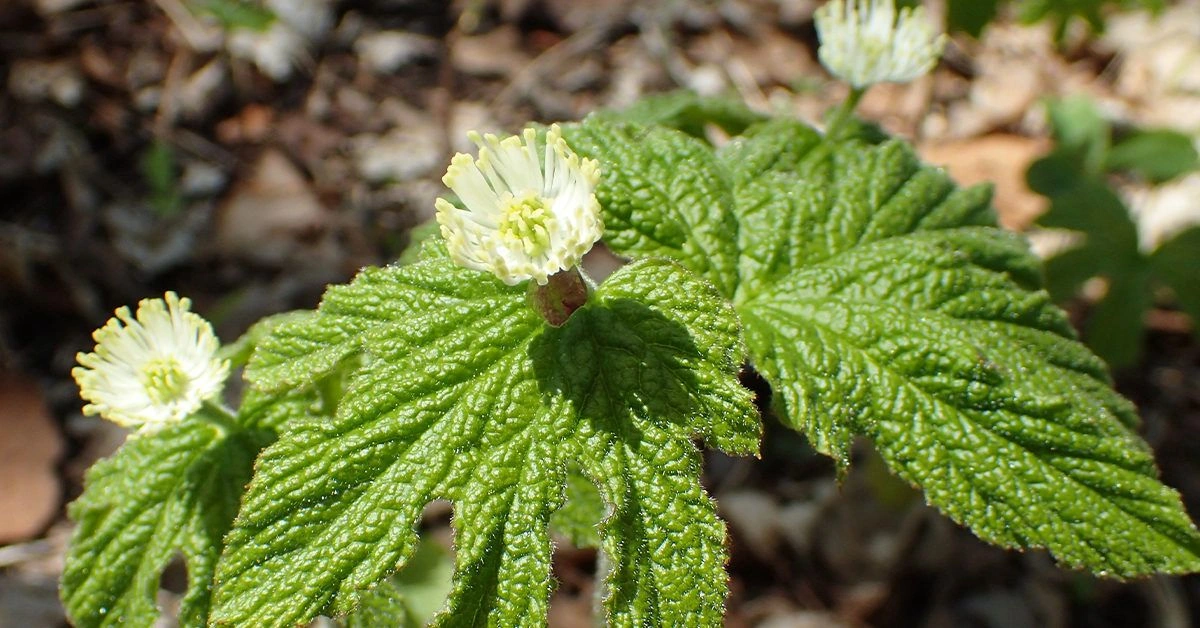
Goldenseal is an herbal remedy some people use for colds, hay fever, digestive complaints, and other ailments. More high-quality research is necessary to confirm its effectiveness.
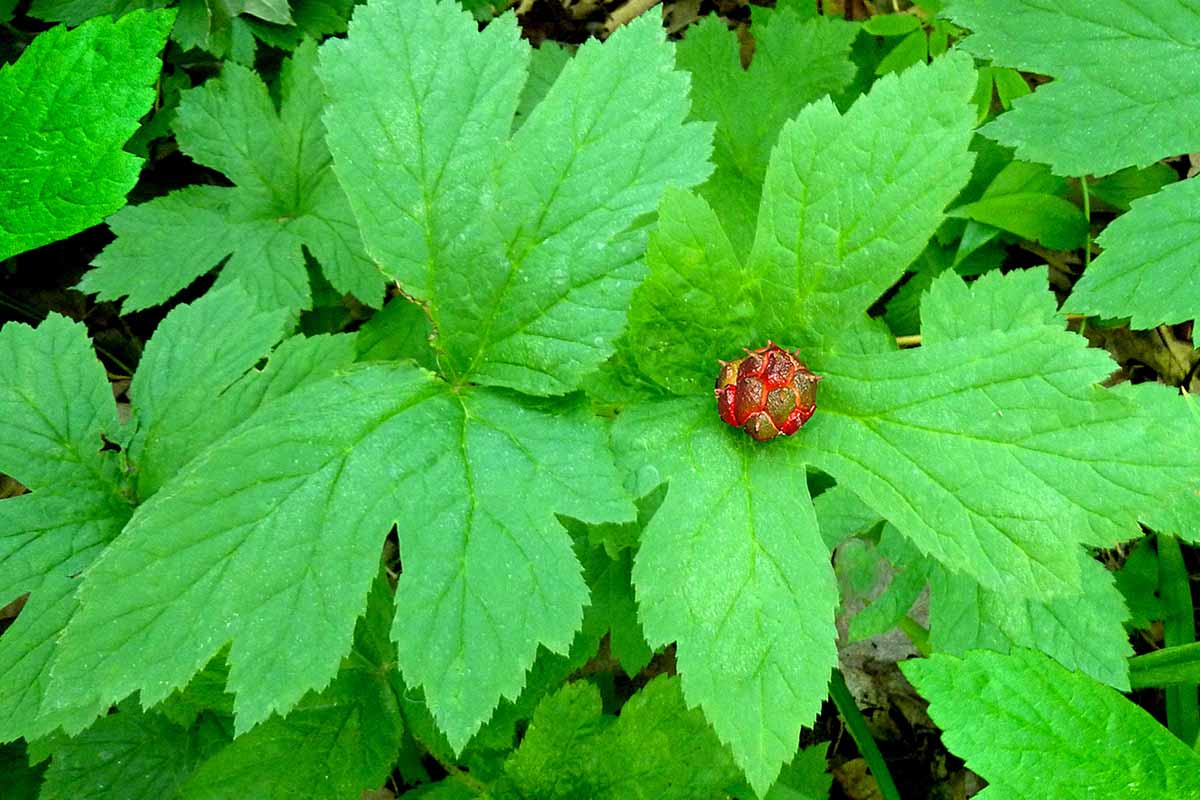
Goldenseal (Hydrastis canadensis) is a perennial herb native to eastern North America (1).
Traditional medicine has used its roots and leaves to address a variety of conditions, particularly those tied to infections or inflammation (1).
Today, goldenseal is among the more commonly used herbal remedies worldwide. Preparations such as teas, extracts, and capsules derived from the plant are taken for colds, allergy symptoms, digestive complaints, sore gums, and skin issues (2, 3, 4).
Goldenseal is also included in a variety of over-the-counter products like ear drops, feminine hygiene items, eyewashes, cold remedies, allergy products, laxatives, and digestive aids (1, 4).
The plant is naturally high in alkaloid compounds, with berberine, hydrastine, and canadine present in the largest amounts.
These alkaloids are thought to contribute antibacterial and anti-inflammatory effects and are believed to be largely responsible for goldenseal’s proposed benefits (1).
Benefits and uses
Goldenseal is credited with antibacterial and anti-inflammatory actions. It’s commonly taken to try to prevent or treat upper respiratory infections and the common cold (3, 5).
It’s also used for skin conditions, poor appetite, heavy or painful menstrual bleeding, sinus infections, indigestion, and other inflammatory or digestive complaints (1).
However, the evidence supporting many of these uses is limited and generally weak. Below are the areas with the most scientific attention.
Colds and other upper respiratory tract infections
Goldenseal is a well-known natural remedy for upper respiratory infections, including the common cold (6).
Laboratory and animal research indicates that berberine, a primary active alkaloid in goldenseal, may combat infections caused by certain bacteria and viruses, including viruses implicated in colds (7, 8, 9, 10, 11).
Despite goldenseal’s frequent inclusion in cold formulas, it remains unclear whether findings from cell or animal models translate to meaningful effects in people.
The doses of berberine used in these preclinical studies are generally higher than the amount present in typical goldenseal supplements. Also, berberine absorption from whole-plant goldenseal may be lower than from concentrated berberine products (4, 6).
Consequently, more human research is required to determine whether goldenseal has any real effect on upper respiratory infections.
Combined with echinacea
Goldenseal is commonly paired with echinacea in nonprescription herbal cold and flu products (4, 12).
Echinacea, another North American plant, has traditionally been used to treat infections such as the common cold (12).
Some research indicates echinacea may lower the risk of respiratory infections, but findings are inconsistent (13, 14).
At present, there’s no solid evidence that combining goldenseal with echinacea provides benefits beyond taking either herb alone.
Detoxing or passing a drug test
Some people claim goldenseal helps the body detox from toxins or mask drug use, but evidence for these claims is minimal.
The body has built-in detoxification systems, converting harmful compounds in the liver and eliminating them via urine and sweat (15, 16).
Research indicates goldenseal may actually inhibit certain liver enzymes responsible for drug metabolism, potentially slowing detoxification rather than speeding it up (1, 17).
Conversely, some evidence suggests goldenseal might increase urinary excretion of specific drugs, which has led to the belief that it could obscure illicit drug use on urine tests (1).
Newer drug-testing techniques, however, can detect goldenseal in urine, reducing the chance of false-negative results (17).
Overall, goldenseal’s impact on “detoxing” likely varies by substance, and more research is needed.
Urinary tract and yeast infections
Goldenseal is commonly used to address urinary tract infections (UTIs) and yeast infections.
Laboratory studies indicate berberine may act against various bacteria and fungi (18, 19, 20, 21).
For example, berberine may prevent bacteria from adhering to bladder walls, which could help prevent or treat UTIs (22).
Berberine is also thought to inhibit excess growth of Candida albicans, a fungus normally present in the body that can cause yeast infections when overgrown (23).
When Candida is balanced, it generally causes no harm; when overgrown, it can lead to vaginal yeast infections, oral thrush, skin problems, and UTIs (24, 25).
One clinical trial found that participants with recurrent UTIs who received a herbal blend containing berberine were less likely to get another UTI compared with those who did not receive berberine (26).
Although promising, direct human studies specifically evaluating goldenseal for UTIs or yeast infections are lacking, so more investigation is required.
Chlamydia or herpes
Chlamydia and herpes are among the most prevalent sexually transmitted infections globally (27, 28).
Untreated chlamydia can lead to complications including infertility; infants born vaginally to infected mothers face elevated risks of pneumonia and eye problems (28).
Herpes is a viral condition that causes fluid-filled blisters on skin or mucous membranes and spreads through oral or sexual contact (28).
A small number of older studies suggest berberine may assist in treating chlamydia and herpes infections.
Some reports indicate vaginal chlamydia infections could be managed with berberine-containing douches, suppositories, or oral goldenseal products (29).
Other studies propose that berberine-containing plants might inhibit herpes virus replication; one study noted that a combination of goldenseal, myrrh, and thyme aided in treating oral herpes (30, 31).
However, few of these studies directly assessed goldenseal in humans, and recent supporting research is scarce. Further studies are needed to verify these older findings.
Acne and psoriasis
Berberine-containing plants like goldenseal may offer skin benefits.
Older in vitro studies indicate berberine might inhibit P. acnes, the bacterium involved in acne (32).
Animal research also suggests berberine’s anti-inflammatory properties could be helpful for conditions like psoriasis (33).
Still, evidence is limited and not specific to goldenseal itself, so additional research is necessary.
Oral health
Goldenseal might help protect against dental infections.
One study found that an herbal mouth rinse containing multiple herbs including goldenseal reduced bacteria linked to dental plaque and gingivitis (31).
Another trial suggested goldenseal used as a toothpaste or mouthwash could soothe inflamed gums (34).
However, the evidence base is small and more studies are required to confirm these oral health claims.
Digestion
Some lab studies indicate goldenseal extracts may inhibit H. pylori, a bacterium tied to stomach ulcers (35, 36).
Goldenseal extracts also appear active against C. jejuni, a leading cause of gastroenteritis (37).
Gastroenteritis is inflammation of the stomach and intestines causing diarrhea and vomiting; the World Health Organization identifies C. jejuni as the most common cause of this illness (38).
Berberine likely plays a major role in these observed antibacterial effects (39, 40).
Yet, no clinical studies have directly demonstrated these benefits in humans, so further research is warranted.
Labor
Animal data indicate berberine may stimulate uterine contractions and could potentially induce labor (41).
Goldenseal and other berberine-containing plants may be unsafe in pregnancy for multiple reasons.
In animal studies, berberine was associated with lower weights in mothers and offspring. It is also suspected to cause or worsen newborn jaundice, which in rare cases can lead to brain damage (4, 41, 42).
Therefore, pregnant women are advised to avoid goldenseal.
Cholesterol and triglyceride levels
Animal studies in mice and hamsters suggest berberine may reduce LDL (bad) cholesterol and triglycerides (43, 44).
A recent review of 12 human trials reported that berberine lowered LDL cholesterol and triglycerides by about 20–55 mg/dL (45).
Although promising, there is currently no direct evidence that whole-plant goldenseal produces the same lipid-lowering effects.
Further research is needed to clarify whether goldenseal affects cholesterol and triglyceride levels in people.
Diabetes
Goldenseal could help people with type 2 diabetes.
Evidence suggests berberine may reduce intestinal glucose absorption, improve insulin sensitivity, and stimulate insulin secretion — actions that can lower blood sugar (46).
Some research indicates berberine’s blood-glucose-lowering effects are comparable to metformin, a commonly used diabetes drug (46).
Combining berberine with glucose-lowering medications appears more effective than medication alone in some studies (47).
However, it’s unclear whether the berberine amounts found in goldenseal supplements are sufficient to produce these effects, so more research focusing on goldenseal is needed.
Side effects and precautions
Goldenseal is generally regarded as safe for short-term use at commonly recommended doses.
Adverse effects are uncommon but can include nausea, vomiting, and impaired liver function (42, 48, 49).
That said, safety research is limited. “Short-term” is not well defined, and little is known about long-term use or high-dose exposure (1, 42).
Because goldenseal is costly, some products marketed as goldenseal may contain little or none of the actual plant.
Some manufacturers substitute goldenseal with plants such as Chinese goldthread, Oregon grape root, barberry, yellow root, or Chinese goldenseal — species that contain berberine but lack hydrastine or canadine (50).
Those alternative herbs can have different side effects and drug interactions compared with true goldenseal (42).
Anyone considering goldenseal should carefully review product labels to confirm actual goldenseal content before buying.
Dosage and how to take
Goldenseal is sold in many forms — capsules, ointments, drops, sprays, eyewashes, and feminine hygiene products — and dosages vary widely. Little data exists to define optimal dosing (1).
Dried root supplements are often taken at doses of 0.5–10 grams up to three times daily, while tinctures and liquid extracts are commonly dosed at 0.3–10 mL up to three times daily (1).
Goldenseal tea can be made by steeping 2 teaspoons of dried herb in 1 cup (240 mL) of hot water for roughly 15 minutes.
However, none of these dosing recommendations are backed by strong evidence proving they are the most effective.
Overdose
It is not well established what dose of goldenseal would constitute an overdose or what the consequences would be.
Over-the-counter preparations typically range from 100–470 mg per dose, and many people use goldenseal in amounts of 0.5–10 grams or 0.3–10 mL up to three times daily (1).
These dose ranges appear generally safe, but there is limited information about the effects of substantially higher doses (1).
If you suspect an overdose, contact your healthcare provider or local poison control center.
Interactions
Research indicates goldenseal may inhibit liver enzymes that metabolize certain drugs, including some antidepressants.
This interaction could lead to medications remaining in the body longer than expected and potentially reaching toxic concentrations (41, 42, 49, 51).
People taking prescription medications should speak with their healthcare provider before using goldenseal.
Storage and handling
There is little published guidance on the ideal storage and handling of goldenseal products.
Because goldenseal is available as dried herbs, creams, tinctures, and liquids, storage and expiration vary by product.
Follow the storage instructions on the product label and discard items that are past their expiration date.
Pregnancy and breastfeeding
Evidence on the safety of goldenseal during pregnancy and lactation is scarce.
Animal research links berberine to reduced maternal and offspring weight and suggests it may stimulate uterine contractions, possibly increasing preterm birth risk (41).
Animal studies also indicate berberine might cause or exacerbate jaundice in newborns, which in rare cases can lead to brain injury (4, 41, 42).
It is unknown whether berberine transfers into breastmilk (52).
Given these concerns, pregnant and breastfeeding women are generally advised to avoid goldenseal.
Use in specific populations
Goldenseal was once among the top 20 herbal remedies worldwide and ranked 6th among herbal products used by children under 18 (2).
However, little is known about its safety in children beyond the potential to cause or worsen jaundice in newborns. Experts usually recommend against giving goldenseal to infants and young children (42).
Animal studies suggest berberine-containing products may lower birth weight and stimulate uterine contractions, raising concerns about use during pregnancy (41).
Because little is known about goldenseal use while breastfeeding and because of potential drug interactions, those who are pregnant, nursing, or taking medications should avoid goldenseal or consult their healthcare provider (52, 42, 49, 51).
Alternatives
Many of goldenseal’s proposed effects are attributed to berberine, hydrastine, and canadine.
Other herbs or purified supplements that contain berberine, hydrastine, or canadine may produce similar results.
Evidence supporting purified berberine supplements is stronger than that for whole-plant goldenseal (53).
Berberine taken by itself may be better absorbed than berberine consumed as part of whole goldenseal (4).
However, isolated berberine products usually lack hydrastine and canadine, so their effects and adverse profiles may differ from goldenseal.
Herbs such as Chinese goldthread, barberry, yellow root, and Oregon grape are sometimes used as alternatives because they contain berberine, but they generally do not contain hydrastine or canadine (50).
Consequently, these alternatives may have distinct effects, side effects, and drug interactions compared with true goldenseal (42).
















Leave a Reply
You must be logged in to post a comment.