
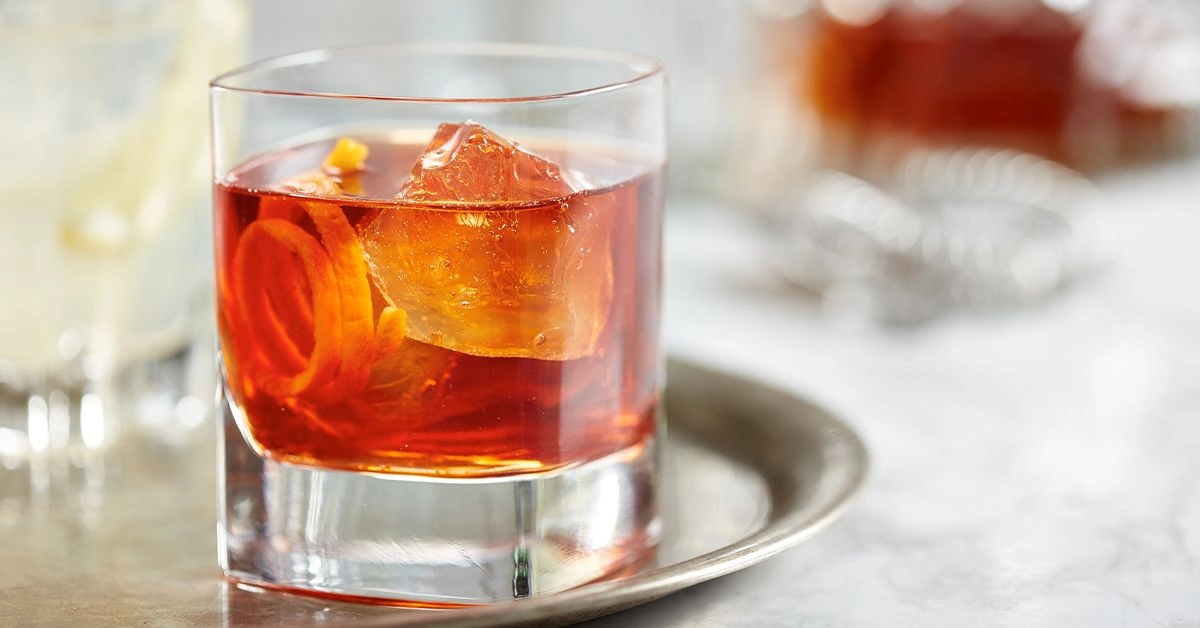
Most people know alcohol alters brain activity, but you might wonder precisely how it operates.
Some view alcohol as a stimulant that speeds the heart, boosts energy, and lowers inhibitions. Yet that description doesn’t capture the full picture.
While alcohol can produce some early stimulant-like sensations, it’s largely a depressant — which means it slows bodily functions.
Its impact depends on individual biochemistry, the amount consumed in a sitting, and one’s tolerance to alcohol.
This article examines alcohol’s effects, including both its stimulating and depressing actions.
Stimulants versus depressants
Both stimulants and depressants influence the nervous system and brain function, but they do so in opposite directions.
Stimulants activate the nervous system. They can raise blood pressure and heart rate and increase alertness. At high doses, they may cause sleeplessness and make you jittery or impulsive (1).
Examples range from mild stimulants like caffeine to stronger prescription amphetamines or illegal drugs such as cocaine.
Conversely, depressants slow bodily processes by lowering heart rate and blood pressure. They can promote relaxation and, in larger amounts, induce sedation (2).
Benzodiazepines are a group of depressants used for insomnia and anxiety, while prescription opioids are potent members of this class.
Some substances show both stimulant and depressant properties. Nicotine is usually classed as a stimulant, and alcohol is primarily a depressant but demonstrates some stimulating effects as well (3, 4).
Combining alcohol with stimulant or depressant medications is risky and can lead to severe adverse outcomes.
Summary: Stimulants energize the nervous system and may raise alertness, while depressants slow the nervous system and promote relaxation. Some agents display both effects.
Alcohol’s stimulant-like effects
At low doses, alcohol prompts the brain to release dopamine, the “feel-good” neurotransmitter, which can make you feel lively and uplifted (3).

Alcohol can also elevate heart rate and may increase aggression in certain people, characteristics often associated with stimulants.
Stimulant-like effects tend to appear when blood alcohol concentration (BAC) nears 0.05 mg/l, but as BAC approaches 0.08 mg/l — the common legal impairment threshold for driving in many U.S. jurisdictions — depressant effects become more dominant (3).
It’s important to recognize that alcohol’s effects vary widely between individuals and are shaped by factors such as body chemistry, sex, weight, tolerance, and the amount consumed.
To estimate how many drinks might raise your BAC to these levels, several online calculators are available.
Some people report stronger stimulating responses to alcohol, while others notice more sedative outcomes. Researchers suggest those who feel greater stimulation and less sedation may face a higher risk of developing alcohol dependence (4).
Nonetheless, although low doses can produce stimulant effects, alcohol is fundamentally a depressant.
Summary: In modest amounts, alcohol can act like a stimulant, raising heart rate, aggression, and impulsivity and triggering a dopamine surge.
Alcohol’s depressant effects
After the brief stimulating phase, alcohol suppresses the central nervous system, reducing blood pressure, heart rate, and cognitive sharpness (3).

Consequently, people who drink heavily often display slower reaction times and may appear drowsy, confused, or sedated.
High quantities of alcohol can also reduce dopamine activity, which may lead to feelings of sadness or lethargy (3).
Depressant effects generally occur around a BAC of 0.08 mg/l. At BAC levels of roughly 0.2 mg/l or higher, alcohol’s depressive impact on breathing can be so severe that it leads to coma or death (3).
Summary: In larger amounts, alcohol shifts from producing stimulation to causing depression of the nervous system. It slows bodily functions, leading to mental cloudiness, sleepiness, and impaired coordination.
The takeaway
Alcohol is fundamentally a depressant, though it exhibits some stimulant-like properties. In small amounts it can raise heart rate, aggression, and impulsivity.
In greater amounts, alcohol usually produces lethargy, disorientation, and delayed reactions by dampening mental acuity, blood pressure, and heart rate.
Individual responses depend on personal biochemistry, the quantity consumed, and alcohol tolerance.
Keep in mind that moderation helps reduce harmful health effects.
Moderate drinking is generally defined as up to one drink per day for women and up to two drinks per day for men (5).

















Leave a Reply
You must be logged in to post a comment.