
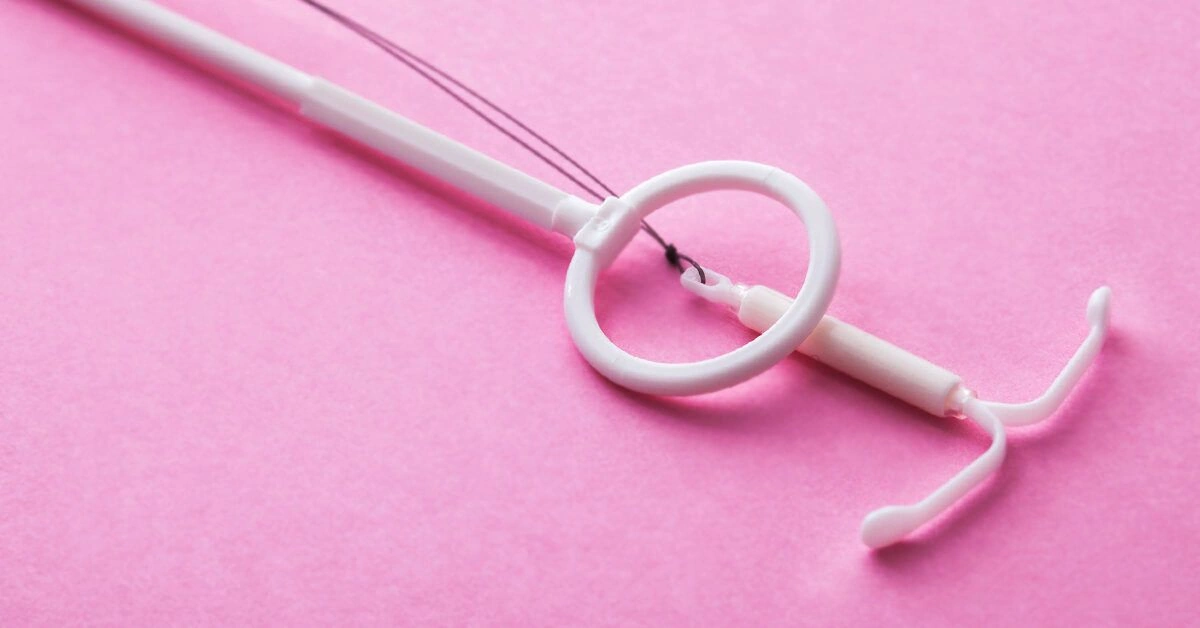
How an IUD influences your period depends on which kind you choose. Some people stop having periods entirely, while others notice a reduced flow.
There are a few fixed facts about IUDs — those flexible, T-shaped contraceptives. For starters, they’re more than 99% effective at preventing pregnancy.
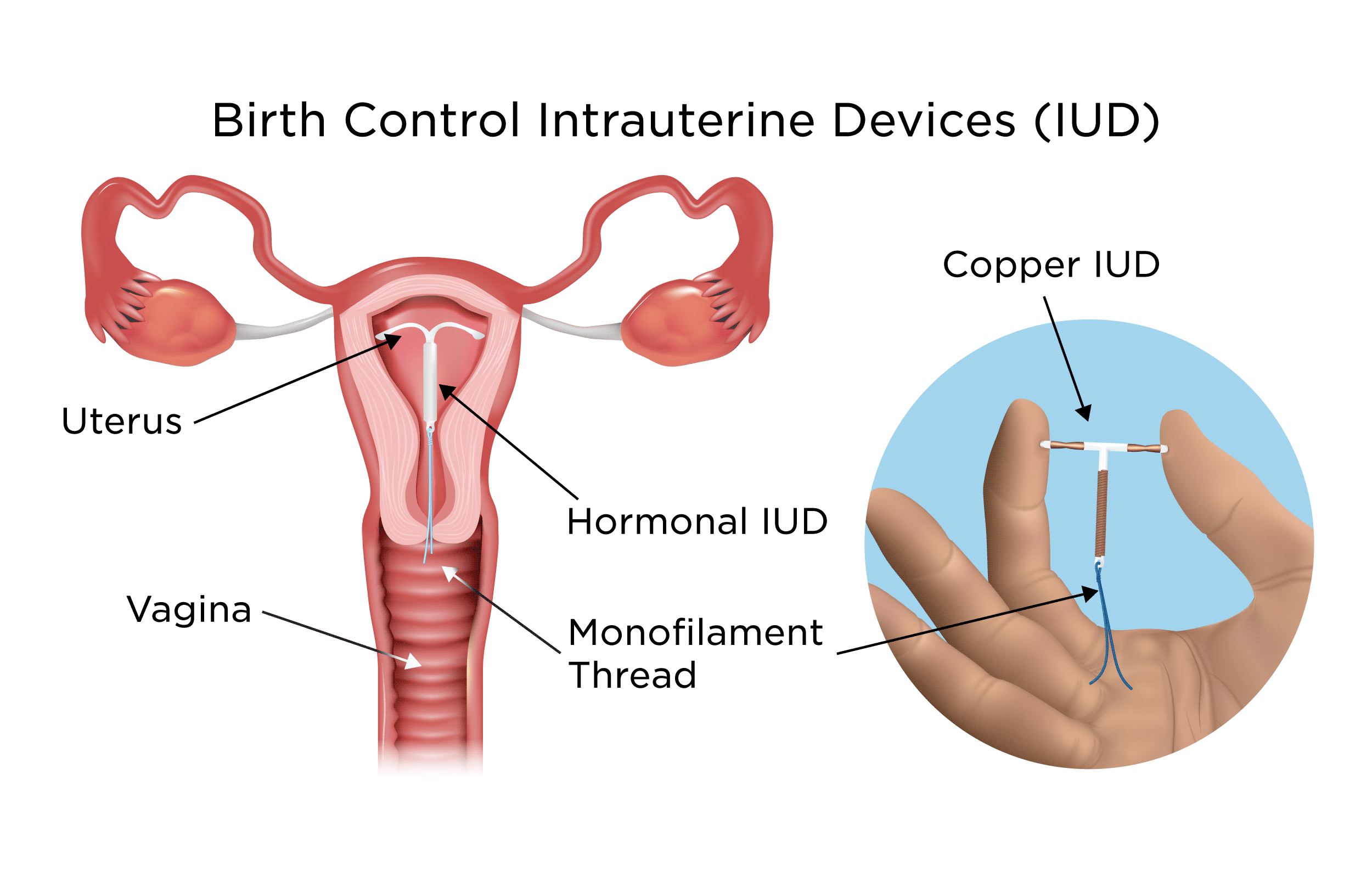
They’re also known to often lighten menstrual bleeding. For some, monthly periods become infrequent or cease.
Still, each person’s response — and the resulting bleeding pattern — varies widely. So many factors can affect outcomes that it’s impossible to guarantee exactly how your body will react.
Here’s what to expect.
1. Check your pre-insertion periods for hints
Will an IUD free you from buying pads or tampons forever? Your chance of no longer having periods may be influenced by how heavy your cycles were before insertion.
A 2016 study of over 1,800 Mirena users found that people who had lighter or shorter periods before getting the IUD were more likely to stop bleeding entirely after a year.
In that study, 21% of participants with initially light periods reported cessation of bleeding, while only 5% of those who began with heavy periods experienced the same.
2. It varies by IUD type
There are four hormonal IUDs — Mirena, Kyleena, Liletta, and Skyla — and one nonhormonal copper option — ParaGard.
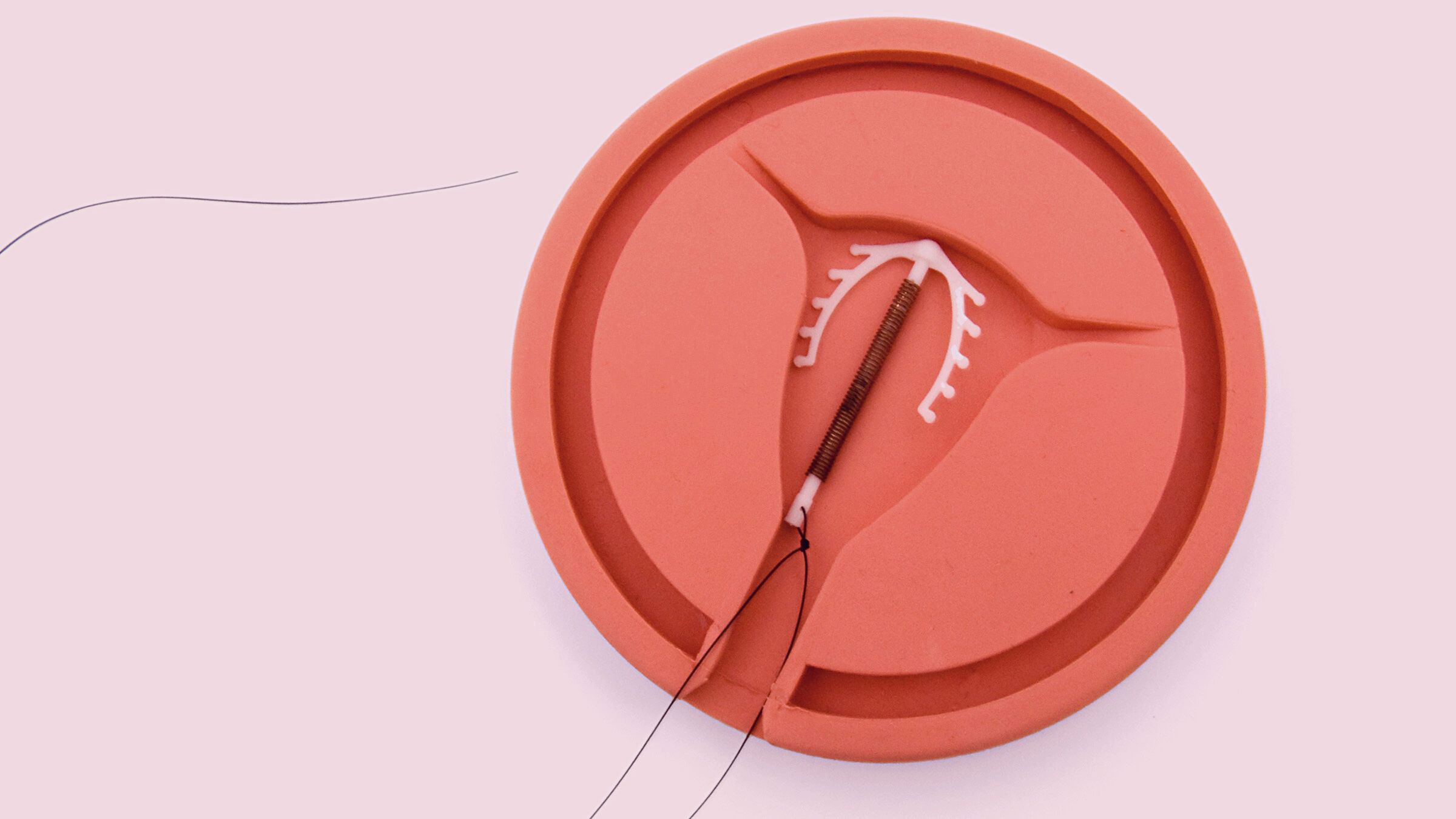
Hormonal IUDs tend to reduce menstrual bleeding. Some people on these devices may not have periods at all.
Copper IUDs typically lead to heavier, more painful periods. This change is often temporary, with bleeding patterns often returning to baseline after roughly six months.
3. If you choose a hormonal IUD such as Mirena
Hormonal contraception can alter your menstrual cycle. Initially, bleeding might increase, but over time it usually tapers off.
What to expect from insertion to 6 months
During the first three to six months following placement, expect variability in your bleeding.
Cycles may be less predictable. You might experience spotting between periods or heavier-than-normal bleeding.
Periods may also be longer than usual for a short period.
What to expect from 6 months on
After about six months, bleeding typically becomes lighter and you may have fewer periods. For some, cycles remain more irregular than they were before.
Approximately one in five people no longer have monthly periods by the one-year point.
4. If you get the copper IUD, ParaGard
Because copper IUDs don’t release hormones, they don’t usually change the timing of your cycle. Expect, however, an increase in bleeding — at least temporarily.
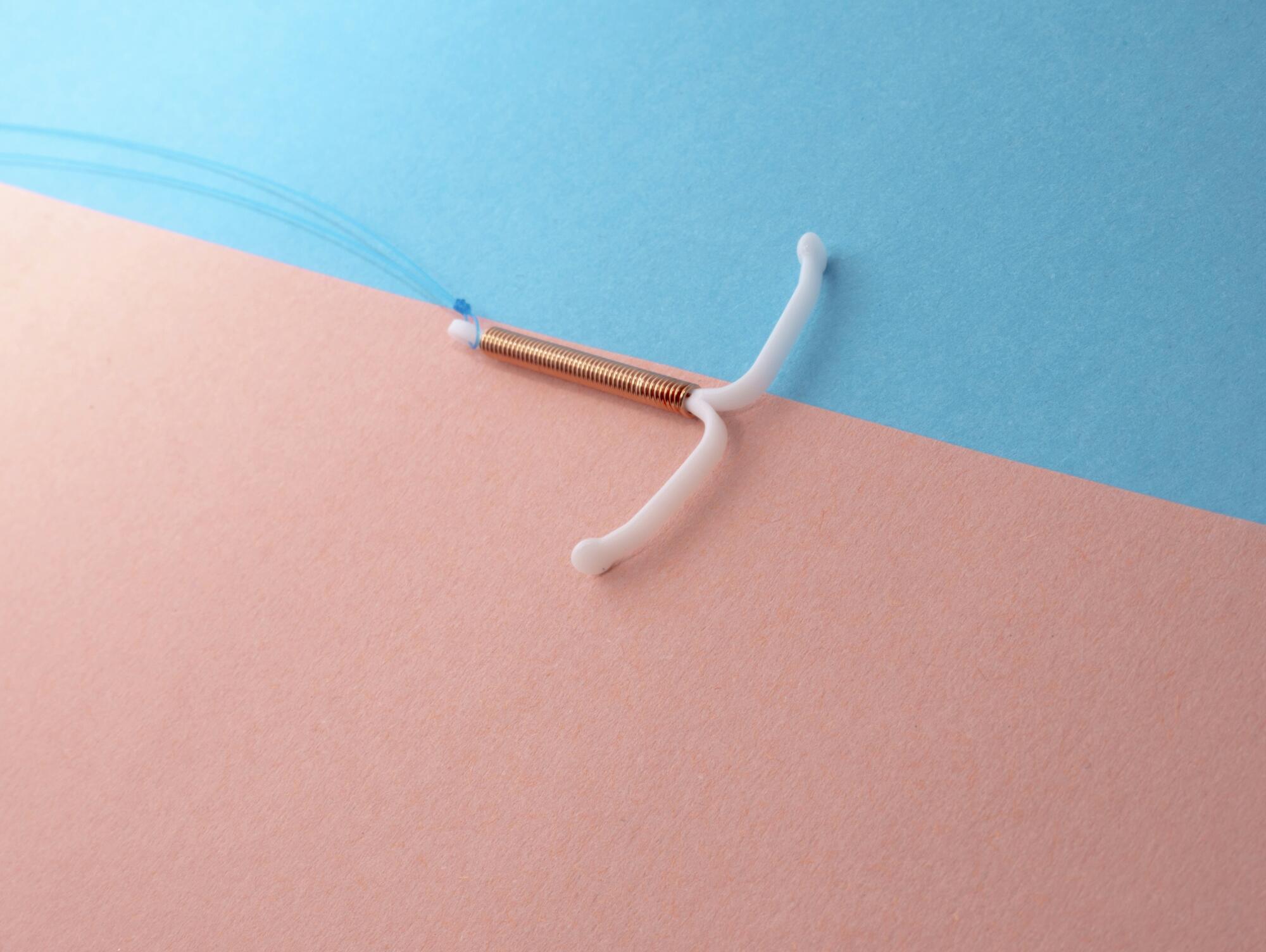
In the first two to three months after ParaGard placement, periods are likely to be heavier and longer, with more cramping.
What to expect from 6 months on
The heavier bleeding should ease after roughly three months, returning you closer to your normal pattern. If heavy bleeding persists at six months, contact the clinician who inserted the IUD.
5. Your provider might schedule insertion during your period
Visiting a gynecologist while menstruating is often avoided, but IUD placement is an exception. Your clinician may actually prefer you come in during your period.
Why? Partly for comfort. Though insertion can be done at any point in the cycle, the cervix may be softer and slightly open during menstruation, which can make the procedure easier and less uncomfortable.
6. It also helps confirm you’re not pregnant
Being on your period gives the clinician additional assurance you aren’t pregnant.
An IUD cannot be placed during a pregnancy. Having an IUD in pregnancy can pose serious risks to you and the gestation, including:
- infection
- miscarriage
- preterm delivery
7. Hormonal IUDs are immediately protective if placed during your period
If a hormonal IUD is inserted while you’re menstruating, it provides immediate contraceptive protection.
8. Otherwise, expect a roughly 7-day wait
If you get a hormonal IUD at another point in your cycle, it generally takes about seven days to become effective. Use backup contraception — such as condoms — during that interval to prevent pregnancy.
9. Copper IUDs work right away
Because copper itself prevents conception, a copper IUD starts offering protection immediately upon insertion, regardless of where you are in your cycle.
You can also have a copper IUD placed up to five days after intercourse to reduce the chance of pregnancy.
10. While waiting for your bleeding to stabilize, watch for warning signs
Contact the clinician who placed your IUD if you have:
- unusually heavy bleeding beyond the first six months
- fever
- chills
- abdominal pain
- pain during sex
- foul-smelling discharge
11. See a clinician if cycles remain irregular after one year
Your periods should generally settle into a pattern by the one-year mark. A small portion of hormonal IUD users will stop menstruating altogether.
If you haven’t had a period for six weeks or more, contact your clinician to rule out pregnancy. They’ll evaluate your symptoms and perform a pregnancy test to be sure.
If the test is negative, you likely won’t need further visits unless you develop symptoms of early pregnancy or other concerning signs.
12. Otherwise, no news is usually good news
After IUD placement, there’s usually nothing you need to do. Your clinician can teach you how to check the strings monthly to confirm the device remains properly positioned.
If you can’t feel the strings, call your provider. Often the threads have curled upward, but the IUD itself might have shifted.
Your clinician can verify placement and address any questions. Apart from that, attend regular yearly checkups to confirm proper positioning.






















Leave a Reply
You must be logged in to post a comment.